
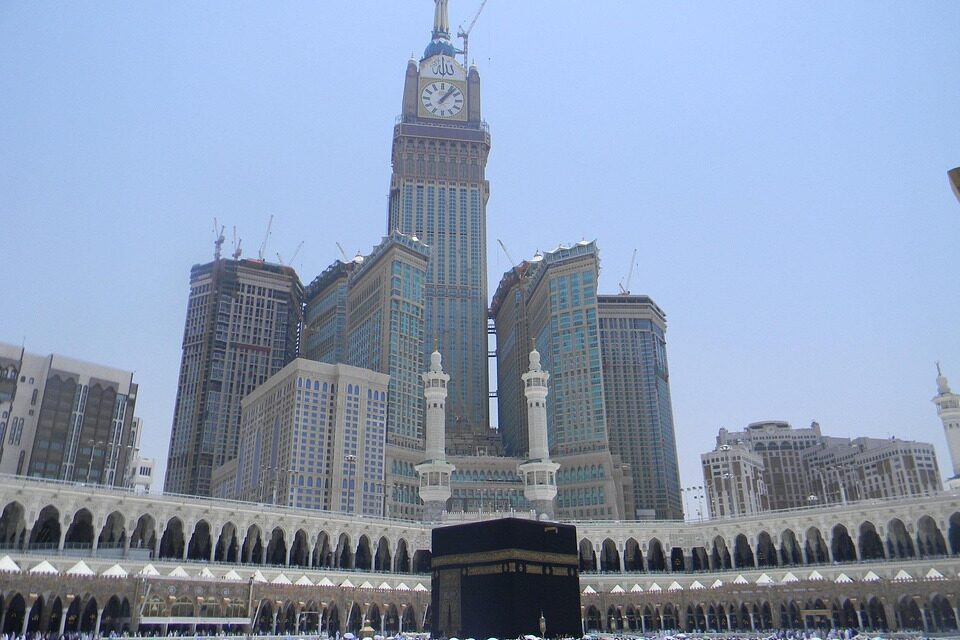
When most people think of Saudi Arabia, their minds immediately drift to grand metropolises such as Riyadh, Jeddah, or Mecca. These cities, teeming with modern architecture, luxury shopping malls, and historical landmarks, are globally renowned tourist hubs. However, Saudi Arabia is much more than its thriving urban centres. Beyond the glittering skyscrapers and sprawling suburbs lies a land steeped in history, culture, and natural beauty that remains largely undiscovered by the masses.
From ancient rock carvings to unspoiled deserts and pristine beaches, Saudi Arabia harbors an extensive collection of hidden treasures. These unique locations tell stories that date back thousands of years, offering visitors an entirely different perspective of the Kingdom. It’s time to break away from the well-worn paths of the cities and unveil the off-the-beaten-track gems of Saudi Arabia.
Whether you’re an avid adventurer, a history enthusiast, or a nature lover, this comprehensive guide takes you on a journey through Saudi Arabia’s lesser-explored regions. Let’s discover the wonders that await.
H2: Exploring the Hidden Gems of Saudi Arabia’s Regions
H3: The Al Ula Valley: A Living Museum of Ancient Wonders
Nestled in the northwestern region of Saudi Arabia lies Al Ula, an archaeological wonder teeming with history and culture. This area has been called a “living museum” due to its wealth of ancient rock carvings, tombs, and structures. Most notably, Al Ula is home to Hegra (Madain Saleh), the first UNESCO World Heritage Site in Saudi Arabia.
Hegra, often compared to Jordan’s Petra, boasts over 100 meticulously preserved Nabatean tombs carved into the sandstone rocks. What sets Hegra apart is the fact that much of it remains untouched, offering visitors an unparalleled opportunity to witness history frozen in time.
Venturing further into Al Ula, you’ll find Elephant Rock, a massive sandstone formation that resembles, as its name suggests, an elephant. Imagine sipping Arabic coffee under the starlit sky with this rock formation towering over you—it’s an otherworldly feeling you won’t forget.
H3: Edge of the World: Saudi Arabia’s Dramatic Natural Wonder
One of Saudi Arabia’s most awe-inspiring natural sites, the Edge of the World (Jebel Fihrayn), can be found just a short drive from Riyadh. This dramatic cliff formation is part of the Tuwaiq Escarpment, and standing at the edge offers dizzying views of the endless desert stretching as far as the eye can see.
Getting to this breathtaking landmark requires a bit of adventure. The journey involves navigating off-road desert paths, adding to the thrill for adventurous travellers. For those interested in guided tours, Nihosi Travels & Tours offers expert-led excursions that enhance the experience with storytelling and unique insights into the site’s geological history.
H3: Farasan Islands: Hidden Paradise in the Red Sea
Off the coast of Jazan in southern Saudi Arabia lies a hidden tropical paradise: the Farasan Islands. This archipelago is home to dazzling coral reefs, idyllic white-sand beaches, and a rich ecosystem, making it a haven for divers, snorkelers, and marine enthusiasts.
Aside from its natural beauty, the Farasan Islands have historical significance. They were once a trading hub during the Ottoman Empire, and you can still visit the remnants of Ottoman architecture along with ancient pearl diving villages. One of the highlights here is mingling with the local fishing community, whose livelihoods are deeply connected to the sea.
H3: The Mysterious Wahbah Crater: A Geological Enigma
Deep in the Ha’il Desert lies one of Saudi Arabia’s most mysterious natural formations—the Wahbah Crater. This massive volcanic crater spans 2.5 kilometres in diameter and plunges over 250 meters deep, surrounded by salt deposits that gleam white in the desert sun.
Legend has it that this crater was formed by a fallen star, adding a touch of mythical allure. Whether you’re hiking along its rim or descending into the crater itself, the surreal landscape of Wahbah offers an unforgettable experience for adventure seekers and geology buffs alike.
H2: Cultural Encounters and Historical Gems
H3: The Rock Art of Jubbah and Shuwaymis
Take a journey back in time by exploring the rock art sites of Jubbah and Shuwaymis, found in Ha’il Province. These areas are recognised as UNESCO World Heritage Sites for their ancient petroglyphs—the largest collection of rock carvings in the Arabian Peninsula.
Depicting everything from animal hunts to human figures wielding weapons, these intricate carvings offer a glimpse into the lives and stories of Arabia’s earliest inhabitants from over 8,000 years ago. With local guides offering site tours, your visit becomes a lesson in anthropology and storytelling.
H3: The Arabian Caves – Exploring Al-Mughara
Hidden beneath Saudi Arabia’s deserts and mountains are a series of caverns and caves waiting to be explored. Among them, Al-Mughara Cave—located in Al-Qassim Province—stands out. Its limestone formations and hidden chambers make it a fascinating destination for tourists interested in speleology.
Make sure to visit with a guide, as these caves are not only geologically significant but often deeply tied to folklore, adding an enchanting dimension to the exploration.
H3: Ancient Markets of Taif
While Taif is famous for its cooler climates and rose gardens, its ancient souks are equally captivating. The Okaz Souq, one of the oldest markets in the Arab world, was historically more than just a place for buying and selling—it was a cultural hub. Even today, Taif’s markets offer a unique blend of traditional crafts, aromatic spices, and handmade jewellery.
H2: How to Plan Your Trip to Saudi Arabia’s Hidden Gems
If you’re ready to take the road less travelled and explore Saudi Arabia’s lesser-known attractions, proper planning is key. Below are some actionable tips to plan your journey:
H3: Travel Tips and Recommendations
- Best Time to Visit: Most regions in Saudi Arabia are best visited between October and March when the weather is cooler.
- Transportation: Many hidden gems require off-road vehicles or guided tours. Consider booking your trip with experienced agencies like Nihosi Travels & Tours.
- Cultural Etiquette: Respect local customs by dressing modestly and behaving respectfully. Saudi Arabia places a high emphasis on conservative culture.
- Permits: Some historical and archaeological sites may require government permits to visit.
FAQ Section: Answering Your Questions About Saudi Arabia’s Hidden Treasures
FAQ JSON-LD Schema
json
FAQ Highlights:
-
What is Hegra, and why should I visit it?
Hegra, located in Al Ula, is Saudi Arabia’s first UNESCO World Heritage Site famous for its well-preserved Nabatean tombs. -
How do I explore the Farasan Islands?
The easiest way is through a short flight to Jazan and hiring a local boat to access the islands. -
Is camping allowed at the Edge of the World?
Yes, camping at the Edge of the World is a popular activity, but ensure you carry proper supplies and leave no trace behind.
Saudi Arabia’s rich tapestry of hidden treasures is nothing short of mesmerising. Going beyond its bustling cities, you’ll encounter breathtaking landscapes, ancient artefacts, and centuries-old cultural heritage. The Kingdom is transforming into an adventure-seeker’s paradise, and its lesser-visited regions are your gateway to authentic, unforgettable experiences. So, what’s stopping you? The wonders of Saudi Arabia are waiting to be explored.








Subscribe To Our Newsletter
Join our mailing list to receive the latest news and updates from our team.
You have Successfully Subscribed!