
When most people think of Senegal, the vibrant streets of Dakar, with their pulsating rhythms, bustling markets, and its rich culture, immediately come to mind. However, Senegal is so much more than its capital. This West African gem is brimming with hidden treasures, unspoilt nature, historic wonders, and cultural delights that lie beyond the horizons of Dakar. If you’re ready to embark on a truly immersive journey, one that takes you beyond the beaten path, then this guide is just what you need. Here’s a comprehensive look, filled with travel tips, insights, and experiences to uncover the lesser-known treasures of Senegal.
Why Should You Visit Senegal Beyond Dakar?
Dakar may be the gateway to Senegal, but venturing outside the capital unveils an entirely new world. The landscapes shift dramatically—from rolling savannahs to serene beaches and dense mangroves. The history becomes richer, offering tantalising glimpses of colonial heritage, ancient civilisations, and traditional African kingdoms that leave a lasting impression. Villages and lesser-known towns allow you to connect personally with warm locals, experience authentic Senegalese hospitality, and discover customs untouched by modernity.
And let’s not forget the food: fresh seafood, exotic spices, and traditional dishes such as thieboudienne (the national dish) and yassa. Exploring Senegal beyond Dakar encompasses adventure, culture, nature, and gastronomy all in one.
Top Hidden Destinations in Senegal
Let’s dive deeper into Senegal’s less frequented gems that promise to mesmerise travellers.
1. Saint-Louis: A Colonial Relic and UNESCO World Heritage Site
Situated near the Mauritanian border, Saint-Louis is a historic city steeped in French colonial charm. Known as Ndar by locals, it was Senegal’s capital before Dakar. Narrow streets are lined with pastel-coloured colonial buildings, wrought-iron balconies, and the picturesque Faidherbe Bridge, designed by Gustave Eiffel himself.
Must-see attractions in Saint-Louis:
- Langue de Barbarie National Park: A haven for birdwatchers, this park features vibrant flamingos, pelicans, and over 250 other species.
- Saint-Louis Jazz Festival: If you visit during May, expect a global display of jazz performances that breathes life into the historic streets.
- Traditional Pirogue Fishing Villages: Interact with local fisherman communities who rely on artisanal fishing.
Travel Tip: Opt for a stay at one of Saint-Louis’ heritage hotels for an authentic colonial experience.
2. Niokolo-Koba National Park: A Wildlife Paradise
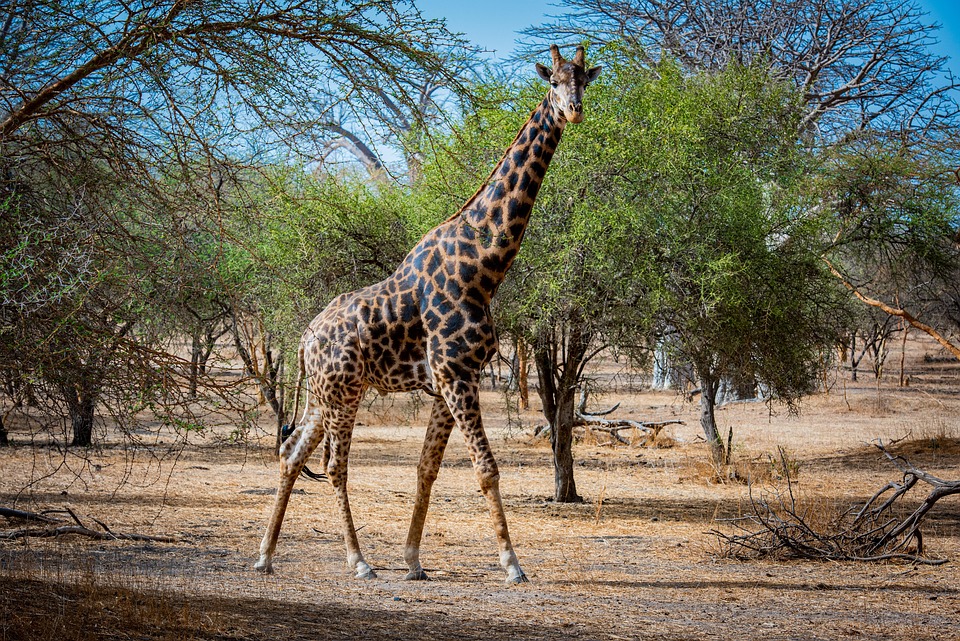
Niokolo-Koba National Park is West Africa’s answer to the Serengeti. Located in southeastern Senegal, near the town of Tambacounda, this UNESCO World Heritage Site offers a glimpse of untamed Africa. Rolling savannahs, lush forests, and marshes create a biodiverse sanctuary teeming with wildlife.
Wildlife to spot:
- Lions, leopards, and elephants
- Chimpanzees and baboons
- The rare Derby eland (the world’s largest antelope)
Embark on a guided safari through the park to witness the natural splendour and majestic creatures.
Travel Tip: Visit during the dry season (November to May), as wildlife gathers near water sources, providing plenty of sightings.
3. The Sine-Saloum Delta: Unspoilt Nature and Tranquillity
The Sine-Saloum Delta, south of Dakar, is where Senegal’s rivers meet the Atlantic Ocean, creating an ecosystem rich in biodiversity. Think mangrove forests, untouched isles, serene lagoons, and countless bird species. It’s a paradise for nature enthusiasts and a fantastic escape for those seeking peace.
Highlights of the Sine-Saloum Delta:
- Islands of Saloum: Discover small fishing villages where you can learn about Serer culture.
- Birdwatching: Flamingos, herons, and spoonbills are common sightings.
- Ecotourism Lodges: Stay in sustainable accommodations to further connect with nature.
Travel Tip: Hire a pirogue (traditional canoe) to wander the waterways for a closer look at the mangroves and local bird species.
4. Ziguinchor: The Heart of the Casamance Region
If you crave authenticity, Ziguinchor in the southern Casamance region is a must. Predominantly inhabited by the Diola people, this culturally rich area offers a unique experience unmatched in Senegal. The lush vegetation, rivers, and laid-back vibe contrast starkly with northern regions.
Must-do activities in Ziguinchor:
- Explore nearby villages like Oussouye, where ancient customs and animist practices prevail.
- Sample cashew wine, a regional speciality.
- Visit local markets brimming with colourful produce and artisanal crafts.
Travel Tip: To reach the Casamance region, take the scenic ferry ride from Dakar to Ziguinchor for a glimpse of Senegal’s rivers and coastlines.
5. Lac Rose (Lake Retba): Senegal’s Pink Wonder
You may have heard of Senegal’s famed pink lake, but did you know it’s easily accessible from Dakar and makes for a perfect day trip or longer stay? Its striking colour results from high salt content and algae that thrive in salty waters.
Visitors can enjoy:
- Watching locals harvest salt using ancient methods.
- Floating effortlessly in the lake, akin to the Dead Sea experience.
- Exploring nearby villages to learn about the lives of salt workers.
Travel Tip: Visit during the dry season (November to June), when the lake’s pink hue is most vivid.
6. Kédougou: Gateway to the Bassari Country
Kédougou, a town in southeastern Senegal, is the gateway to the fascinating Bassari Country, a UNESCO-listed area due to its cultural heritage. Tourists are drawn here to explore traditional ways of life, ancient rituals, and breathtaking landscapes.
Highlights:
- Bassari Villages: Engage with the Bassari people and learn about their traditions.
- Visit Dindefello Falls: A serene waterfall offering an ideal spot for a refreshing dip.
- Cultural Festivals: Time your visit with local festivals to witness ceremonies involving music, dance, and the region’s folklore.
Travel Tip: Adventure seekers can go hiking in the surrounding hills—don’t forget comfortable shoes.
Essential Travel Tips for Senegal
1. Best Time to Visit
The dry season (November to May) is ideal for exploring Senegal due to fewer rains and more travel convenience.
2. Currency and Budgeting
The local currency is the West African CFA Franc (XOF). Be prepared to carry cash for rural areas, as card payments aren’t always accepted outside Dakar. Budget travel is easy, but mid-range travellers can expect good value hotels and activities.
3. Transportation
- Local Transport: Minibuses and shared taxis (sept-places) are common. However, they can be crowded—budget for private hires when needed.
- Domestic Flights: For far-reaching areas like Casamance, flying can save significant travel time.
- Ferries: Enjoy majestic views via ferries connecting Dakar and Ziguinchor.
4. Food and Drink Safety
While Senegalese cuisine is a delight, always choose freshly cooked dishes and drink bottled or filtered water outside major cities.
Enriching Your Senegal Journey
Wouldn’t it be great to have expert advice in planning your trip? With Nihosi Travels & Tours, you can access custom tours highlighting the very best of Senegal, including Saint-Louis, the Sine-Saloum Delta, and the Bassari Country. From organising cultural encounters to birdwatching excursions, their dedicated expertise ensures a seamless and enriching experience.
FAQ Section
Q1: What’s the easiest way to travel around Senegal beyond Dakar?
A: Shared taxis are the most affordable option, while private cars or guided services offer greater flexibility and comfort.
Q2: Is Senegal safe for tourists?
A: Senegal is considered one of the safest countries in West Africa. Staying respectful of local customs and being aware of your surroundings ensure a safe trip.
Q3: What are some must-try foods in Senegal?
A: Don’t miss thieboudienne, yassa poulet (chicken in onion sauce), and maafe (peanut-based stew).
Q4: Can I visit Senegal’s national parks year-round?
A: While most parks are accessible year-round, the dry season from late November to May is better for wildlife viewing.
Q5: Do I need a visa to visit Senegal?
A: Many nationalities can obtain a visa on arrival or don’t require one for short stays, but it’s always advisable to check with your local embassy.
Stepping beyond Dakar and into Senegal’s hidden corners is a travel experience like no other. From colonial charm in Saint-Louis to the wild beauty of Niokolo-Koba and the tranquil waters of the Sine-Saloum Delta, there’s something for everyone to discover. With these travel tips in hand, Senegal promises you breath-taking views, rich culture, and unforgettable adventures. Start planning your off-the-beaten-path journey now—because the real Senegal awaits you.








Subscribe To Our Newsletter
Join our mailing list to receive the latest news and updates from our team.
You have Successfully Subscribed!