
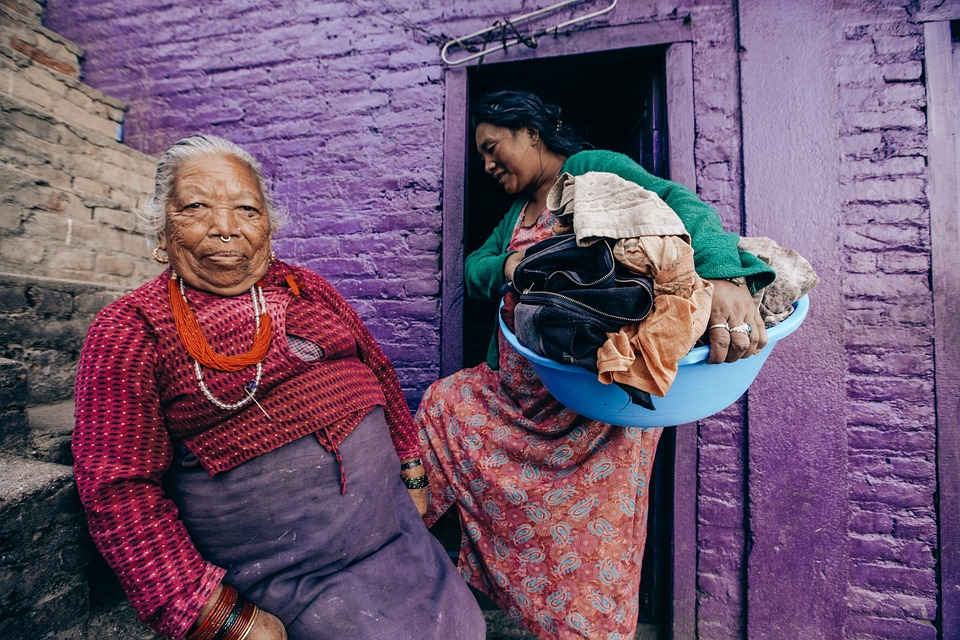
Nepal, a country steeped in mysticism and natural beauty, offers an indescribable journey of discovery for travellers. From the ethereal peaks of the Himalayas to vibrant local cultures, Nepal is a dream destination for adventurers, history enthusiasts, and anyone seeking an escape into nature’s untouched bounty. In this article, we’ll explore everything you need to know about planning your Nepal trip. From expert travel tips to off-the-beaten-path gems, this guide has been curated to ensure you experience the best of Nepal while avoiding common pitfalls.
Whether you wish to trek along alpine routes, explore ancient temples, or immerse yourself in authentic Nepali experiences, you’ll find this article brimming with actionable advice on how to make your journey to Nepal truly unforgettable.
Why Visit Nepal?
A Land Like No Other
Nestled between India and China, Nepal is best known as the gateway to the Himalayas and home to eight of the world’s fourteen highest peaks, including Mount Everest. However, its beauty transcends mere mountains. From lush jungles teeming with wildlife in the south to medieval towns in the Kathmandu Valley, Nepal offers an array of contrasting landscapes that cater to any traveller’s aspirations.
Nepal combines natural beauty with rich cultural heritage. It is a country where centuries-old traditions coexist with modernity. Whether you are drawn to adventure or seek spiritual awakening, Nepal promises unique experiences at every turn. This is why Nepal isn’t just a destination but an introspective journey that stays with you long after your visit.
Travel Tips for Nepal: What You Need to Know Before You Go
1. Best Time to Visit Nepal
Nepal’s climate can vary dramatically depending on the altitude, but the two best seasons for travelling are spring (March to May) and autumn (September to November). During these months, the weather is pleasant, skies are often clear, and conditions are ideal for trekking and sightseeing.
Winter (December to February) can be exceedingly cold in the higher altitudes, whereas summer (June to August) overlaps with the monsoon season, making treks and road travel more challenging due to rain.
2. Visa Requirements
Most foreign travellers need a visa to enter Nepal, which can be obtained beforehand at Nepali embassies or upon arrival at Tribhuvan International Airport in Kathmandu. Tourist visas are available for 15, 30, or 90 days, depending on the duration of your stay. However, ensure your passport is valid for at least six months beyond your intended departure date.
3. Packing Essentials
Given Nepal’s diverse terrains and climates, you’ll need to pack accordingly. Essential items include:
- A sturdy pair of trekking boots
- Layered clothing for temperature changes
- Reusable water bottles or water purification tablets (to avoid generating plastic waste)
- High-quality sunscreen and a hat for high-altitude UV protection
- Travel insurance that covers trekking or adventure-related activities
Bringing lightweight clothing and gear is advisable if you’re trekking, as many trails require walking several hours daily. If you’re heading on a cultural trip, carrying modest clothing is crucial for visiting religious sites.
4. Health and Safety
Nepal is generally safe for tourists, but preparation is key. Most travellers experience some degree of altitude sickness when trekking above 3,000 metres. Take it slow and allow your body to acclimate. If severe symptoms occur, descending quickly is the best action.
It’s also essential to stay hydrated while trekking and ensure the food you consume is freshly prepared—even at teahouses along trails.
Moreover, Nepal has good safety rankings for women travellers, though standard travel precautions like avoiding isolated areas at night should still be observed.
Top 10 Unique Destinations to Explore in Nepal
Nepal’s blend of natural wonders and human achievements creates an endless list of amazing destinations. The following are some iconic yet underrated locations you simply shouldn’t miss during your stay.
1. Kathmandu – The Cultural Hub
Kathmandu, Nepal’s vibrant capital, is the perfect place to begin your journey. Wander through ancient squares like Durbar Square, a UNESCO World Heritage Site, adorned with intricately carved wooden temples.
Make sure to visit the serene Swayambhunath Stupa (Monkey Temple) perched atop a hill, offering panoramic views of the valley, or the Boudhanath Stupa, one of the largest Buddhist stupas in the world.
2. Pokhara – Gateway to Adventure
Located in central Nepal, Pokhara is known as the gateway to the Annapurna Circuit. You’ll find tranquil lakes, such as Phewa Lake, where you can relax after long treks.
Adventure enthusiasts can paraglide over Sarangkot or dive into white-water rafting along the Seti River. The Annapurna Base Camp (ABC) trek, a must for trekkers, can be conveniently accessed from here.
3. Everest Base Camp (EBC)
One of the world’s most iconic treks, the Everest Base Camp trek, takes you on a two-week adventure to the base of Mount Everest. Starting from the town of Lukla, the trek offers awe-inspiring vistas, cultural encounters with Sherpa communities, and stunning glacial sceneries at every turn.
Tip: A guided trek through reputable agencies such as Nihosi Travels & Tours ensures a safe and memorable journey.
4. Chitwan National Park
For wildlife enthusiasts, Chitwan National Park is a treasure trove of biodiversity. This UNESCO World Heritage Site is home to Bengal tigers, one-horned rhinoceroses, and a plethora of bird species. Canoe rides, jungle safaris, and cultural dances by the Tharu community are some of the unmissable activities here.
5. Lumbini – Birthplace of Buddha
For those with spiritual inclinations, Lumbini, the birthplace of Lord Buddha, is a pilgrimage worth taking. The Maya Devi Temple and its surrounding gardens exude tranquility, attracting visitors worldwide.
6. Annapurna Circuit
The Annapurna Circuit trek offers a mix of lush foothills, arid plateaus, and snow-capped peaks. Spanning 160–230 km, this trek often requires 10–17 days to complete, depending on your pace. Make sure to stop at the Thorung La Pass, the highest point of the trek, at 5,416 metres above sea level.
7. Bandipur – A Timeless Village
A lesser-known gem, Bandipur is a beautifully preserved hilltop settlement offering sweeping views of the Himalayas. Its quaint streets, lined with traditional Newari architecture, make for a peaceful retreat from the hustle of larger towns.
8. Gosaikunda Lake
This sacred alpine lake, located at over 4,300 metres, is mesmerising. Accessible via the Langtang Valley trek, it holds religious significance for Hindus and Buddhists and is a stunning trekking destination.
9. Upper Mustang
Considered a “forbidden kingdom,” Upper Mustang sits on the border of Nepal and Tibet. With its stark desert landscape, centuries-old monasteries, and caves, Upper Mustang feels like stepping back in time.
Permits are required for visitors here, so organise your trip in advance.
10. Bhaktapur
This ancient town in the Kathmandu Valley is a living open-air museum. Experience beautifully preserved medieval architecture, visit the Nyatapola Temple, and sample juju dhau (traditional yogurt), renowned throughout Nepal.
FAQ About Travelling in Nepal
Here’s a quick FAQ section to address any lingering questions:
What currency is used in Nepal?
The currency used is the Nepalese Rupee (NPR). It’s best to carry cash, as ATMs may not be available in remote areas.
Is Nepal a budget-friendly destination?
Yes! Nepal is known for its affordability, catering to both budget travellers and those seeking luxury experiences.
Nepal offers a seamless blend of adventure, spirituality, and cultural immersion. Whether you’re scaling Himalayan heights or exploring bustling historic towns, the country holds surprises at every corner. Plan your journey wisely and allow Nepal to captivate your soul.









Subscribe To Our Newsletter
Join our mailing list to receive the latest news and updates from our team.
You have Successfully Subscribed!