
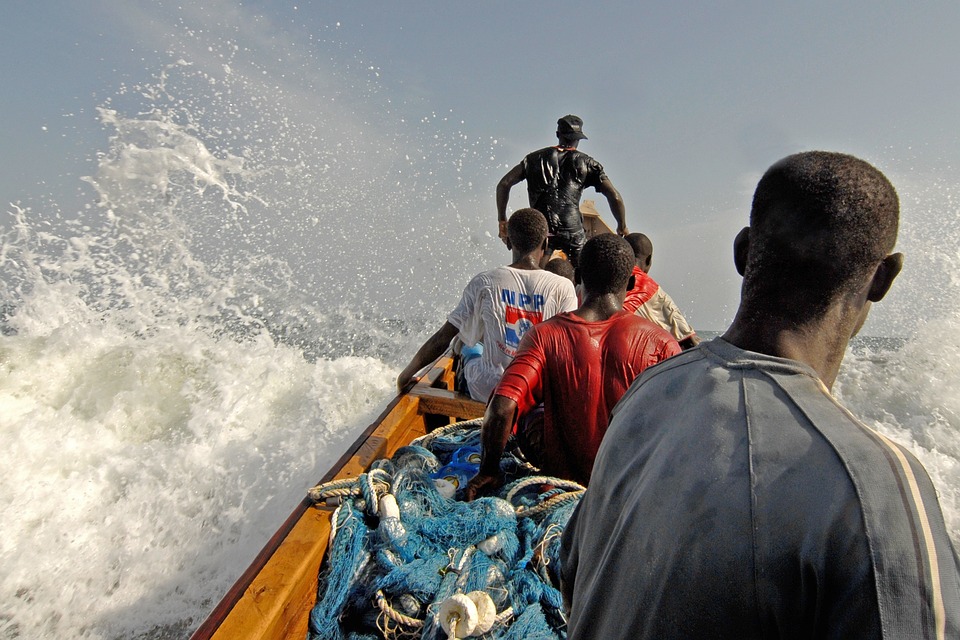
Ghana, often referred to as the “Gateway to Africa,” is a captivating country with a tapestry of vibrant cultures, rich history, and breathtaking landscapes. Whether you’re looking to explore its remarkable heritage, dive into its colourful festivals, or relax along its serene coastline, Ghana is brimming with opportunities to satisfy the curiosity of any traveller. From the storied castles of Cape Coast to the traditions of the Ashanti Kingdom, the cultural riches of Ghana offer visitors an unforgettable journey into the heart of West Africa.
In this guide, we’ll uncover the top sites in Ghana you can’t miss and shine a spotlight on the experiences that will leave you in awe. Whether you’re planning your first trip or returning for more, these destinations promise to immerse you in Ghana’s vibrant cultural heritage.
Why Visit Ghana for Cultural Exploration?
Ghana holds a special place on the African continent, known for its deep-rooted traditions and warm hospitality expressed in the local Akan phrase “Akwaaba,” meaning “welcome.” Its rich history—a tapestry interwoven with ancient kingdoms, colonial trade, and independence movements—marks it as a country with stories worth diving into.
But Ghana isn’t just about the past. Its present-day vibrancy, seen in its thriving art scenes, music festivals, and culinary landscape, ensures that visitors get a wholesome and dynamic cultural experience. Whether you’re visiting the bustling capital of Accra, trekking through lush forests, or touring sacred shrines, Ghana’s cultural riches offer something for travellers of all interests.
Top Cultural Sites to Explore in Ghana
1. Cape Coast Castle and Elmina Castle: Relics of History
Ghana’s coastline tells a poignant story of the transatlantic slave trade, and Cape Coast Castle is one of the central reminders of this dark history. Built by the Swedes in 1653 and later expanded by the British, it served as a hub for human trade.
Standing in the dimly lit dungeons and walking through the infamous “Door of No Return” evokes a haunting yet educational experience that every visitor should witness. Similarly, Elmina Castle, just a short drive away, is Ghana’s oldest European structure (dating back to 1482) and offers insight into Portuguese and Dutch influence in the region.
Insider Tip: Book a guided tour to gain deeper insights into the history of these castles. Hearing the stories from a professional guide adds depth and meaning to your visit.
2. Kakum National Park: A Unique Canopy Walk
While Ghana is famous for its historical landmarks, its natural wonders are equally worth exploring. Kakum National Park, located near Cape Coast, is a protected rainforest teeming with exotic flora and fauna. What sets it apart is the Canopy Walkway, suspended 30 metres above the forest floor, which offers a bird’s-eye view of the lush greens and wildlife.
This challenging yet exhilarating walk feels like a plunge into nature itself, surrounded by the sounds of chattering monkeys and chirping birds. It’s a delightful complement to the historical tours of Ghana’s coastline.
3. Accra: The Beating Heart of Ghana
The bustling capital city Accra is the perfect starting point for diving into Ghana’s cultural riches. The Kwame Nkrumah Mausoleum, dedicated to Ghana’s first president and a key leader in Africa’s independence movement, is an absolute must-visit. This beautifully designed site celebrates the achievements of a man who dreamed of a united Africa.
For a taste of Ghanaian creativity, head to Jamestown, one of the oldest districts in Accra. Its vibrant murals, galleries, and the Chale Wote Street Art Festival celebrate urban and cultural art like no other. Markets like Makola Market are a sensory overload where you can shop for traditional fabrics (such as Kente and Batik), crafts, or spices.
Fun Fact: Accra is also known for its buzzing nightlife, with live Afrobeat performances and delicious street food to keep the energy alive long after sunset.
4. Kumasi: The Ashanti Kingdom’s Cultural Capital
Located in Ghana’s south-central region, Kumasi is the heartland of the Ashanti Kingdom and a significant hub of Ghana’s culture. Visit the Manhyia Palace Museum, which showcases the Ashanti royal lineage, crown jewels, and artefacts. For an even closer look at Ashanti traditions, check out Adanwomase Kente Village, where artisans weave intricate Kente cloth, symbolising wealth, royalty, and wisdom.
The Kejetia Market, one of West Africa’s largest markets, offers a profoundly immersive shopping experience. It’s a maze of vendors selling everything from handmade crafts to local food and natural remedies.
5. Lake Volta and Akosombo Dam
As the largest man-made lake in the world, Lake Volta is a sight to behold. For cultural exploration, visit the fishing villages tucked around the lake, where traditional fishing methods are still practised. The nearby Akosombo Dam, a significant engineering marvel, supplies energy to much of Ghana and is a symbol of modernisation in the country.
Take a riverboat cruise for a relaxing way to enjoy the scenery and meet the welcoming locals.
6. The Northern Region: Mole National Park and Larabanga
The Northern Region offers a different side of Ghana’s cultural riches. Visit Mole National Park, where you can go on thrilling safari tours to see elephants, antelopes, and warthogs in their natural habitat. Nearby, the Larabanga Mosque, one of the oldest mosques in West Africa, constructed in the Sudano-Sahelian architectural style, is a spiritual and architectural wonder.
For an authentic cultural experience, interact with the Tamale communities, known for their artistry in leatherwork, textiles, and traditional drumming.
Unmissable Cultural Festivals in Ghana
Ghana’s cultural calendar is packed with spirited festivals that provide visitors with a deeper appreciation of its diverse heritage:
-
Homowo Festival (Ga People): Celebrated in Accra, this festival commemorates a bountiful harvest and features dramatic processions and feasts.
-
Aboakyir Festival (Effutu People): Taking place in May, this festival involves a sacred deer hunt, traditional dances, and rituals.
-
Kundum Festival (Ahanta People): Celebrated in the Western Region, this harvest festival includes storytelling, drumming, and spiritual rites, often extending across several days.
Nihosi Travels & Tours Can Help!
Planning a trip to explore Ghana’s cultural riches? Nihosi Travels & Tours offers expert-led tours tailored to fit your interests. Whether you’re keen to visit historical landmarks, discover vibrant festivals, or find off-the-beaten-path treasures, Nihosi can help create an itinerary brimming with memorable experiences.
Enhancing Your Trip: Practical Tips
Exploring Ghana is an exciting adventure, but a few practical tips can ensure a smoother and more enjoyable experience:
- When to Visit: The dry seasons, between November and March, are ideal for travelling comfortably.
- Currency and Payments: The Ghanaian cedi (GHS) is the local currency. Travel with some cash, as card payments are not always available in remote areas.
- Language: While English is the official language, learning a few phrases in Twi or Ga may win over locals.
- Health Preparations: Remember to get vaccinations like yellow fever and carry insect repellent.
FAQs About Exploring Ghana’s Cultural Sites
1. What is Ghana known for culturally?
Ghana is renowned for its vibrant festivals, traditional crafts (such as Kente weaving), historic landmarks, and the warm hospitality of its people.
2. How can I experience Ghana’s traditions authentically?
Engage in local festivals, visit village communities, and book guided tours to learn the significance of various traditions.
3. Is Ghana safe for tourists?
Yes, Ghana is considered one of Africa’s safest countries for tourists. However, as with any destination, exercise caution and avoid displaying valuables.
More questions answered with FAQ Schema Markup in JSON-LD (integrated for SEO optimised snippets).
Ghana offers a cultural and historical treasure trove that simply cannot be missed. With centuries-old castles, lively traditions, and breathtaking landscapes, it’s the perfect destination for travellers who want to connect deeply with Africa’s heart and soul. Whether you’re walking in the footsteps of history at Cape Coast Castle or dancing at Homowo Festival, every moment in Ghana is bound to leave a lasting impression.
Don’t wait—start planning your adventure today with Nihosi Travels & Tours!









Subscribe To Our Newsletter
Join our mailing list to receive the latest news and updates from our team.
You have Successfully Subscribed!