
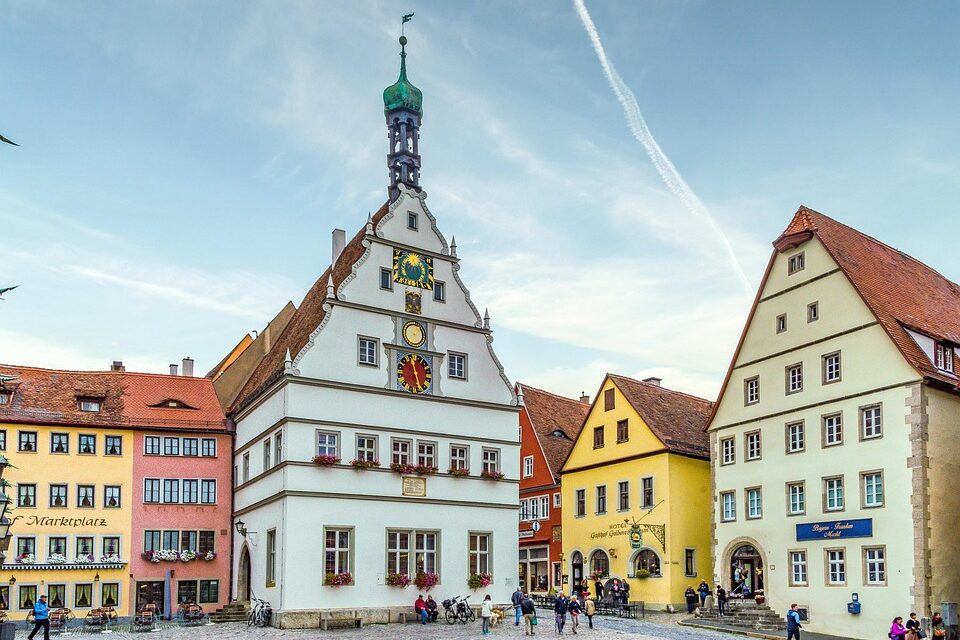
Germany is known for its rich history, incredible architecture, world-class cities, and landscapes steeped in fairytales. Tourists often flock to Berlin, Munich, and Hamburg – undeniably iconic destinations. But if you’re the kind of traveller who loves to get off the beaten path, you’ll find a treasure trove of underrated cities in Germany waiting to be explored.
These destinations offer a unique blend of history, culture, gastronomy, and adventure – all without overwhelming crowds. So, pack your curiosity, keep your camera ready, and let’s dive into Germany’s hidden gems.
Whether you’re a history buff, nature lover, or foodie, this guide will inspire you to expand your itinerary beyond Berlin.
Why Explore Germany’s Underrated Cities?
Before diving in, you might wonder: why bypass Germany’s big-name destinations?
Well, lesser-known cities often provide:
- Authentic Experiences: Smaller cities showcase local culture without the tourist crowds.
- Budget-Friendly Alternatives: Accommodation, dining, and activities tend to be much more affordable.
- Hidden History: From medieval towns to untouched castles, you’ll unearth layers of history unavailable in headline destinations.
- Natural Beauty: Many underrated cities are surrounded by scenic mountains, forests, and rivers.
Exploring unconventional routes helps you discover a different, deeper side of Germany – one that keeps its most enchanting spots somewhat under wraps.
Hidden Gems: 11 German Cities That Deserve the Spotlight
1. Regensburg: The Medieval Jewel
Situated along the Danube River, Regensburg is perfect for history aficionados. As a UNESCO World Heritage Site, its old town is a labyrinth of cobbled alleys dotted with Gothic churches, ancient Roman ruins, and Bavarian beer gardens.
Must-sees in Regensburg:
- Stone Bridge (Steinerne Brücke): Dating back to the 12th century, it offers spectacular views of the river and skyline.
- St. Peter’s Cathedral: A Gothic masterpiece with intricate carvings and stunning stained glass windows.
- The Thurn and Taxis Palace: Once home to a princely family, it’s an opulent history lesson in architecture.
If you’re a beer lover, don’t miss the Spital Brewery, one of the oldest in the world!
2. Heidelberg: The City of Romance
Nestled beside the Neckar River, Heidelberg is synonymous with romance and charm. Its red-roofed buildings, green hills, and historic sites draw dreamers from around the world.
Top highlights in Heidelberg include:
- Heidelberg Castle: A majestic ruin perched on a hill with panoramic views over the old town.
- Philosopher’s Walk (Philosophenweg): A peaceful path with stunning vistas, perfect for reflective strolls.
- Altstadt (Old Town): Full of vibrant cafes, artisan shops, and street performers.
For a romantic evening, consider a moonlit boat ride along the Neckar River. Heidelberg is an experience you won’t soon forget.
3. Bamberg: Small-Town Charm Meets Big History
Nicknamed the “Franconian Rome,” Bamberg spans seven hills, each crowned with a historic church. The city’s well-preserved medieval and baroque architecture has earned it UNESCO World Heritage status.
Why visit Bamberg:
- Altes Rathaus (Old Town Hall): Built on an island in the middle of the river, its frescoed façade is a masterpiece.
- Little Venice (Klein-Venedig): A row of charming fishermen’s houses along the Regnitz River.
- Bamberg Cathedral: A stunning example of Romanesque architecture and home to the famed Bamberg Horseman statue.
Don’t leave without sampling Rauchbier – a smoky beer unique to Bamberg!
4. Freiburg: Gateway to the Black Forest
If you love nature and sunshine, Freiburg is a must-visit. Often regarded as Germany’s warmest city, it serves as the perfect gateway to the enchanting Black Forest (Schwarzwald).
Things to do in Freiburg:
- Munsterplatz: Enjoy the iconic Freiburg Minster and its lively farmer’s market.
- Schlossberg Hill: A short hike rewards you with sweeping views of the city and forest.
- Black Forest Trails: Venture into the surrounding woods to discover quaint villages, cuckoo clocks, and crystal-clear lakes.
Freiburg also has one of Germany’s most vibrant student populations, contributing to its lively nightlife.
5. Trier: Germany’s Oldest City
History enthusiasts will love Trier, founded by the Romans in 16 BC. Known as Germany’s oldest city, Trier offers an extraordinary glimpse into ancient history and UNESCO-protected landmarks.
Key attractions in Trier:
- Porta Nigra: A colossal Roman gate that’s remarkably well-preserved.
- Aula Palatina: Once the throne room of Constantine the Great.
- Roman Baths: Explore ruins of ancient Roman bathhouses.
Pair local Riesling wines from the Moselle Valley with delectable cuisine for a taste of Trier’s culinary heritage.
6. Leipzig: The Bohemian Alternative
Dubbed the “new Berlin,” Leipzig blends history and counterculture in equal measure. Bursting with art galleries, music venues, and historic monuments, Leipzig is a vibrant city with something for everyone.
What to explore in Leipzig:
- St. Thomas Church (Thomaskirche): The resting place of composer Johann Sebastian Bach.
- Plagwitz District: A trendy area filled with art studios, cafes, and street art.
- Monument to the Battle of Nations: A monumental structure commemorating one of Europe’s largest battles.
Leipzig’s pulsating arts scene makes it a haven for creatives and adventure seekers alike.
7. Würzburg: Bridges, Wine, and Baroque Beauty
Positioned along the Main River, Würzburg captivates visitors with its mix of baroque palaces, sprawling vineyards, and lively atmosphere.
Highlights of Würzburg:
- Würzburg Residence: A stunning UNESCO site adorned with one of the world’s largest ceiling frescoes.
- Alte Mainbrücke (Old Main Bridge): Sip local wine while enjoying spectacular river views.
- Marienberg Fortress: Perched high on a hill, offering panoramic views of the cityscape.
Wine enthusiasts will delight in Würzburg’s Franconian wines, celebrated for their crisp and fruity flavours.
8. Rostock: A Coastal Delight
Situated on the Baltic Sea, Rostock is an often-overlooked gem with sandy beaches and rich maritime heritage.
Things to do in Rostock:
- St. Mary’s Church (Marienkirche): Marvel at the astronomical clock dating back to the 15th century.
- Warnemünde Beach: Relax on the pristine coastline or enjoy fresh seafood.
- Rostock Zoo: Europe’s largest zoo forest with over 4,000 animals.
Rostock combines historic charm with coastal serenity, making it a perfect getaway for all.
9. Quedlinburg: A Medieval Masterpiece
Step into a fairytale with Quedlinburg, a medieval town that feels frozen in time. Stroll through half-timbered houses along cobbled streets, soaking in the town’s magical atmosphere.
Must-visit spots:
- Quedlinburg Abbey: A historic hilltop site with breathtaking views.
- Castle Hill: Home to a striking Romanesque cathedral.
- Half-Timbered Houses: Explore over 2,000 preserved buildings, each with unique charm.
This enchanting town is both peaceful and awe-inspiring, offering a perfect day trip or an overnight stop.
10. Tübingen: A Student Paradise
A picturesque university town on the Neckar River, Tübingen is brimming with youthful energy and scenic beauty.
Explore Tübingen’s highlights:
- Neckarfront: Stroll along the riverside and admire colourful buildings framed by green hills.
- Hohentübingen Castle: Offers a mix of history, art, and archaeology exhibits.
- Punting Rides: Glide along the river on a traditional flatboat.
Tübingen also boasts a vibrant cafe culture and some of the best desserts in Germany.
Creative Itineraries to Explore
Not sure which cities to pair during your trip? Here are some creative itineraries:
- The History Lover’s Circuit: Trier → Regensburg → Bamberg.
- Nature and Adventure Trail: Freiburg → Rostock → Würzburg.
- Romantic Escapes: Heidelberg → Quedlinburg → Tübingen.
Quick FAQs About Germany’s Underrated Cities
1. What is the best time to visit Germany’s underrated cities?
Spring (April-June) and autumn (September-October) are ideal for mild weather and fewer crowds.
2. How can I travel between these cities?
Germany’s Deutsche Bahn train network covers most cities and is an efficient way to travel.
3. Are these cities family-friendly?
Absolutely! Cities like Rostock, Freiburg, and Bamberg are great for families with their mix of activities and open spaces.
Ready for an adventure that goes beyond the usual? Let Nihosi Travels & Tours help you plan a customised trip to these hidden gems. Whether it’s an overnight stay or a custom itinerary, explore Germany beyond Berlin and fall in love with the unexpected you’ll discover.









Subscribe To Our Newsletter
Join our mailing list to receive the latest news and updates from our team.
You have Successfully Subscribed!