
Sweden Travel Guide: Stockholm, Lapland, and the Best of Scandinavia
Sweden pairs sleek, innovative cities with some of Europe’s most dramatic natural landscapes — from Stockholm’s 14-island archipelago setting to the Arctic wilderness of Lapland. This guide covers Sweden’s top destinations, standout experiences, and the practical details worth knowing before you plan a trip.
Why Sweden Continues to Draw Travellers
- Genuine sustainability leadership: Sweden is consistently ranked among the world’s most environmentally advanced countries, and that shows up directly in its travel infrastructure — extensive electric public transport, a strong network of eco-certified accommodation, and a culture that takes low-impact travel seriously rather than treating it as a marketing angle.
- Deep cultural traditions: From midsummer celebrations to Sami culture in the north, Sweden’s traditions remain genuinely lived, not staged for visitors.
- Striking natural variety: Coastlines, vast forests, thousands of lakes, and the chance to see genuinely wild landscapes and wildlife across a country that’s larger and emptier than most visitors expect.
- Genuinely easy to navigate: Efficient public transport and near-universal English fluency make Sweden one of the more straightforward European countries for independent travel.
Top Destinations in Sweden
1. Stockholm: Where Modern Meets Historic
Built across 14 islands connected by bridges and ferries, Stockholm blends historic architecture with genuinely forward-thinking urban design.
Must-See Attractions:
- Gamla Stan (Old Town): Cobblestone streets lined with colourful buildings, home to the Royal Palace and Stockholm Cathedral, both genuinely worth the visit rather than just a photo stop.
- The Vasa Museum: Built around a remarkably preserved 17th-century warship that sank on its maiden voyage in Stockholm harbour and was recovered largely intact centuries later — one of the most striking maritime history exhibits anywhere in the world.
- ABBA: The Museum: An interactive, genuinely fun tribute to Sweden’s most internationally famous musical export.
Tip: Get an SL card for access to Stockholm’s ferries, buses, and metro. In summer, a boat trip out into the Stockholm archipelago — some 30,000 islands and skerries stretching into the Baltic — is one of the best day trips available from any major European capital.
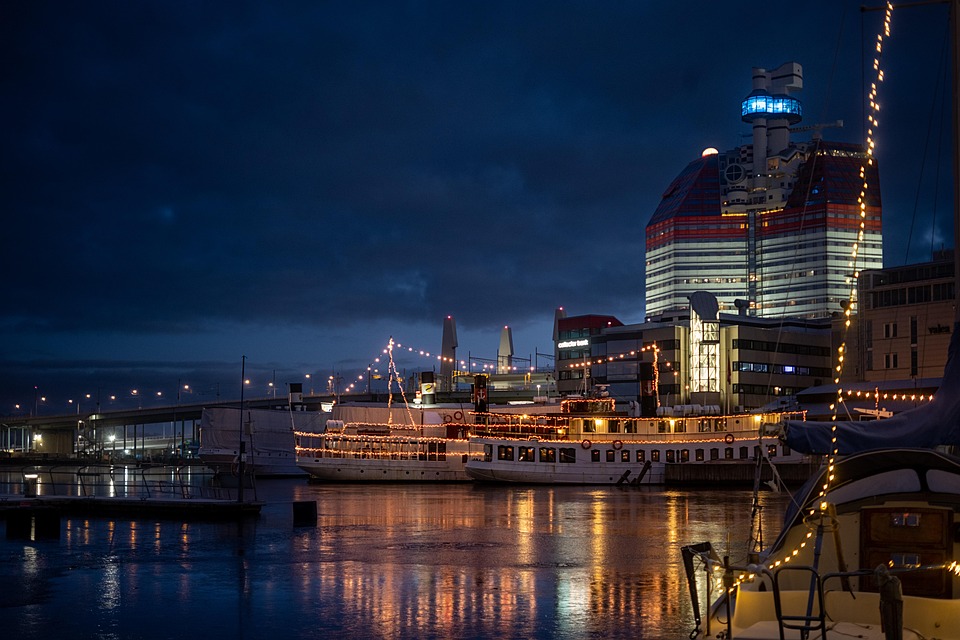
2. Gothenburg: Scandinavia’s Design-Forward City
Sweden’s second city has a genuinely different character from Stockholm — more laid-back, with a strong design and food scene built around its coastal setting.
Must-See Attractions:
- Liseberg Amusement Park: One of Scandinavia’s largest and most popular amusement parks, suited to families and thrill-seekers alike.
- Haga District: A picturesque old neighbourhood of wooden houses turned boutiques and cafés, genuinely one of the most pleasant areas in the city to wander.
- The Archipelago Islands: A short ferry ride reaches car-free islands like Vrångö and Styrsö, offering a genuine escape from the city within the same day.
Gothenburg’s seafood reputation is well earned — fresh oysters and prawns feature heavily, and the city holds a genuinely strong concentration of well-regarded restaurants relative to its size.
3. Swedish Lapland: Arctic Wonders
For Northern Lights hunting and genuine Arctic wilderness, Swedish Lapland delivers, alongside a living Sami culture with a history stretching back millennia in the region.
Top Activities:
- Aurora viewing: The aurora season runs roughly from late autumn through early spring, with Abisko National Park particularly well known among aurora specialists for its unusually clear “blue hole” microclimate, which frequently keeps skies clear even when surrounding areas are overcast.
- Dog-sledding: A classic Arctic activity, widely available through local operators across the region.
- The ICEHOTEL in Jukkasjärvi: The original ice hotel, rebuilt entirely from Torne River ice each winter with a completely new design and art suites created by international artists every season. A separate, permanently chilled section, ICEHOTEL 365, now operates year-round, so it’s possible to sleep in an ice room even outside the winter rebuild season.
Tip: Sweden’s “allemansrätt” (freedom to roam) law allows respectful wild camping on public land nationwide — a genuinely distinctive legal right that makes independent outdoor travel considerably easier here than in most countries.
Sami Culture in the North
Sweden’s far north is the traditional homeland of the Sami, an Indigenous people whose territory (Sápmi) spans northern Sweden, Norway, Finland, and Russia’s Kola Peninsula, with a documented history in the region stretching back thousands of years. Traditional Sami livelihoods, particularly reindeer herding, remain a genuine part of life in the north today, not a historical relic. Travellers with a genuine interest in Sami culture should seek out Sami-owned and Sami-guided experiences specifically, rather than generic “Lapland culture” tours — this ensures both a more authentic experience and that tourism revenue actually reaches Sami communities rather than outside operators using Sami imagery without genuine involvement.
Hiking Kungsleden: The King’s Trail
For serious hikers, Kungsleden (the King’s Trail) is Sweden’s most famous long-distance trail, stretching around 440 kilometres through Swedish Lapland’s mountains, past Sweden’s highest peak, Kebnekaise. Most visitors tackle a shorter section rather than the full route, with the stretch between Abisko and Nikkaluokta being particularly popular for its accessibility and dramatic scenery, typically taking around a week. A network of mountain huts (fjällstugor) along the route means it’s possible to hike without carrying full camping gear, though huts should be booked ahead during peak summer season.
Sample Itinerary Structure
One Week: Stockholm and the Archipelago
Three to four nights in Stockholm covering Gamla Stan, the Vasa Museum, and a day trip into the archipelago, followed by two to three nights in Gothenburg for a genuinely different coastal city experience.
Ten Days to Two Weeks: Add the North
Extend with a flight north to Swedish Lapland for aurora viewing (winter) or a Kungsleden hiking section (summer), giving a genuinely comprehensive south-to-north cross-section of the country.
A Coastal-Focused Route
Travellers prioritising nature over cities should centre a trip on Gothenburg and the Bohuslän coastline, with Malmö and Skåne added for a final stretch further south, connected easily by Sweden’s rail network.
The Scenic West Coast: Bohuslän
Sweden’s west coast is a genuine haven for ocean lovers, with thousands of islands strung along the Bohuslän coastline north of Gothenburg.
Highlights:
- Join a seasonal lobster safari (typically autumn) to try traditional Swedish lobster fishing firsthand.
- Visit Smögen, a genuinely picturesque fishing village of colourful wooden houses along a bustling wooden boardwalk.
- Kayak along the coastline’s granite islands and sheltered inlets, one of the best ways to experience Bohuslän’s scenery up close.
Malmö and Skåne
Southern Sweden’s Malmö and the surrounding Skåne region offer a genuinely different character from the rest of the country — flatter, more agricultural, with strong historical ties to neighbouring Denmark, connected directly by the Öresund Bridge.
Top Experiences:
- Photograph the Turning Torso, Scandinavia’s tallest building and a genuinely striking piece of contemporary architecture on Malmö’s waterfront.
- Visit Malmöhus Castle, one of Scandinavia’s oldest surviving Renaissance castles, now housing several of the city’s museums.
- Explore Skåne’s cycling routes through farmland and small historic towns, a genuinely rewarding way to see rural southern Sweden.
Swedish Food and Fika Culture
Sweden’s food scene draws on genuinely strong traditions alongside a thriving contemporary dining sector, including a real concentration of Michelin-recognised restaurants for a country of its size.
Dishes to Try
- Meatballs with lingonberries: The classic, and genuinely worth trying properly rather than the flat-pack furniture-store version most people know.
- Gravlax: Cured salmon, typically served with a mustard-dill sauce, reflecting Sweden’s strong tradition of preserving fish.
- Semla: A cardamom-spiced bun filled with almond paste and whipped cream, traditionally eaten in the lead-up to Lent but popular well beyond that season today.
- Surströmming: Fermented Baltic herring, genuinely one of the most pungent foods in the world — a real adventurous-eater’s rite of passage, best tried outdoors and with an open mind.
Fika Culture
Fika — taking a proper break for coffee and a pastry — is a genuine social institution in Sweden, not just a coffee break. Building it into your day, rather than rushing a takeaway coffee, is one of the more culturally authentic things a visitor can do here.
Sustainable Travel in Sweden
Sweden’s sustainability credentials go well beyond marketing:
- Domestic train travel is fast, reliable, and considerably lower-impact than flying between Swedish cities.
- Reusable water bottles and bags are genuinely useful given Sweden’s strong recycling and low-waste culture, which visitors are expected to participate in.
- Eco-certified accommodation is widespread; Green Key Sweden’s directory is a solid resource for finding genuinely certified, not just self-described, sustainable stays.
Practical Travel Information
Best Time to Visit
Summer (June to August) suits outdoor adventures, festivals, and the midnight sun in the north. Winter (roughly November to March) is prime time for northern Sweden, particularly for snow activities and the Northern Lights.
Getting Around
Sweden’s public transport network is genuinely efficient — trains, buses, and ferries connect the country well. For extensive intercity travel, look into current Swedish rail pass options, which can offer real savings over individual tickets depending on your itinerary.
Language
Swedish is the official language, but English fluency is extremely high nationwide, including in rural areas — genuinely one of the easiest countries in Europe to navigate without local language skills. A few Swedish phrases (tack, meaning “thank you,” is a good start) are still appreciated.
Budgeting
Sweden isn’t a cheap destination, but genuine savings are possible: eat at lunchtime buffets (dagens rätt, “the day’s dish”), use public transport rather than taxis, and consider hostels or budget accommodation options, which are generally of a high standard here regardless of price point.
Entry Requirements
Sweden is part of the Schengen Area. EU citizens can enter freely; citizens of many other countries, including the US, UK, Canada, and Australia, can currently enter visa-free for short stays under the standard 90-day Schengen rule. The EU’s planned ETIAS pre-travel authorisation system for visa-exempt travellers has faced repeated delays — check the current requirement status directly before booking, since it may or may not be in effect by the time you travel.
Frequently Asked Questions
1. What’s the best time to visit Sweden?
It depends on your priorities: summer suits hiking, festivals, and city exploration with long daylight hours, while winter is ideal for northern Sweden, snow activities, and the Northern Lights.
2. How expensive is Sweden for travellers?
Genuinely on the pricier side of Europe, but manageable with smart choices — public transport, lunchtime buffet deals, and budget accommodation can keep costs reasonable without sacrificing much of the experience.
3. What are the must-try Swedish foods?
Meatballs with lingonberries, gravlax, and semla pastries are the essential starting points. For adventurous eaters, surströmming (fermented herring) is a genuine rite of passage, best approached outdoors.
4. Do I need a visa to visit Sweden?
Sweden is part of the Schengen Area. EU citizens don’t need one; many other nationalities, including the US, UK, Canada, and Australia, can currently enter visa-free for short stays. The EU’s ETIAS system, still facing rollout delays, may add a pre-travel authorisation step by the time you travel — check current requirements before booking.
5. Is Sweden good for seeing the Northern Lights?
Yes, genuinely one of the more reliable places in Europe for it. Abisko National Park in particular is known among aurora specialists for its unusually clear microclimate, which often keeps skies clear even when nearby areas are cloudy.
6. Can I camp anywhere in Sweden?
Broadly, yes — Sweden’s “allemansrätt” (freedom to roam) law allows respectful wild camping on public land across the country, a genuinely distinctive legal right that makes independent outdoor travel considerably easier here than in most places.
7. Is English widely spoken in Sweden?
Yes, extremely so, including in rural areas — Sweden is one of the easiest European countries to navigate without any local language skills.
8. What’s the best way to experience Sami culture respectfully?
Seek out Sami-owned and Sami-guided experiences specifically, rather than generic tours that use Lapland or Sami imagery without genuine community involvement. This ensures a more authentic experience and that tourism spending actually benefits Sami communities.
9. Do I need to be an experienced hiker to try Kungsleden?
Not necessarily — while the full 440-kilometre trail is a serious undertaking, shorter, well-marked sections like Abisko to Nikkaluokta are accessible to reasonably fit hikers, aided by a network of mountain huts along the route that reduce the need to carry full camping gear.
Final Thoughts
Sweden offers a genuinely rare combination of sleek, well-run cities, deep cultural tradition, and vast, accessible wilderness — all backed by a sustainability ethos that shapes the travel experience rather than just marketing it. Whether you’re exploring Stockholm’s island-spread Old Town, chasing the Northern Lights in Lapland, or simply slowing down for a proper fika, Sweden rewards travellers who take the time to look beyond its polished, well-known surface.
For help planning your Sweden trip, visit Nihosi Travels & Tours.










Subscribe To Our Newsletter
Join our mailing list to receive the latest news and updates from our team.
You have Successfully Subscribed!