

Suriname Travel Guide: South America’s Best-Kept Secret
Nestled between Guyana, Brazil, and French Guiana, Suriname remains one of South America’s least-visited and most genuinely surprising countries — a place where Dutch colonial architecture, Javanese temples, Hindu mandirs, and Maroon river villages all sit within the same small nation. With roughly 93% of its land covered in rainforest, making it one of the most forested countries on Earth, Suriname offers an entirely different kind of South American trip from the usual Andes-and-Amazon circuit. This guide covers its top destinations, culture, and the practical details worth knowing before you go.
Why Suriname Stands Out
Extraordinary Biodiversity
With around 93% forest cover, Suriname is genuinely one of the most densely forested nations in the world. Exotic wildlife, cascading waterfalls, and remote river villages await travellers willing to head beyond Paramaribo.
Genuine Cultural Fusion
Few countries anywhere blend as many distinct cultural threads into daily life as Suriname — Dutch colonial history, Javanese and Hindustani communities brought over during the indenture era, Afro-Surinamese Maroon culture descended from communities who escaped slavery and built independent societies deep in the interior, and Indigenous Amerindian heritage. Paramaribo’s UNESCO-listed historic centre reflects this blend directly in its architecture.
Genuinely Off the Beaten Path
Unlike South America’s more visited destinations, Suriname remains largely untapped by international tourism, giving travellers real solitude and authenticity rather than a well-worn tourist circuit.
Top Destinations in Suriname
1. Paramaribo: The Heart of Suriname
Suriname’s capital is the natural starting point for most visits, blending genuine historical weight with an easy, walkable modern city.
Must-See Spots in Paramaribo:
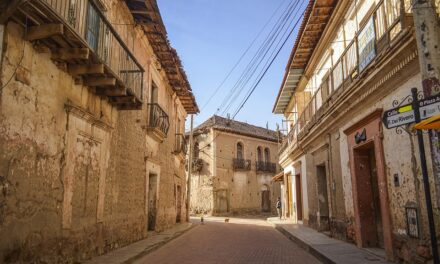
- UNESCO World Heritage Historic District: Wooden Dutch colonial buildings line the city centre, including St. Peter and Paul Cathedral, widely cited as one of the largest wooden structures in the Western Hemisphere.
- Waterkant: A riverside promenade lined with food stalls, the best place to try Surinamese street food staples like roti, telo (fried plantain with saltfish), and saoto soup.
- Central Market: A genuinely vibrant market selling fresh produce, spices, and handicrafts reflecting the city’s cultural mix.
Tip: Fort Zeelandia, a 17th-century fortress on the banks of the Suriname River, offers both a window into the country’s colonial past and some of the best river views in the city.
2. Brownsberg Nature Park
A rainforest reserve within reach of Paramaribo, Brownsberg offers genuinely rewarding hiking, waterfalls, and wildlife including howler monkeys and an excellent range of birdlife (jaguar sightings, while occasionally reported, are rare and shouldn’t be an expectation for a standard visit).
What to Do:
- Hike to Leo Falls or Irene Falls, both rewarding, moderately challenging trails through dense forest.
- Stay overnight at one of the park’s eco-lodges for a fuller rainforest immersion than a day trip allows.
Tip: Visiting just after the rainy season (roughly March–May) tends to bring the lushest greenery and strongest waterfalls, though trails can be muddier during this period — pack proper hiking boots and mosquito repellent regardless of season.
3. The Suriname River: Maroon Culture and History
A river journey along the Suriname River offers one of the country’s most genuinely distinctive cultural experiences.
- Maroon villages: Communities descended from Africans who escaped slavery during the colonial era and established independent societies deep in the interior, maintaining distinct language, spiritual practices, and craft traditions that have persisted for centuries. Visits here should be arranged through a respectful, community-endorsed local guide rather than approached independently.
- Stone Island (Cola Kreek area): An easy day trip from Paramaribo offering calm reservoir beaches, canoeing, and birdwatching.
4. Galibi Nature Reserve: Sea Turtle Nesting
On Suriname’s northeastern coast, Galibi Nature Reserve offers the chance to witness endangered leatherback and other sea turtle species nesting on undeveloped beaches.
Best Time to Visit: Nesting season runs roughly February to July, with peak nesting typically occurring at night — a genuinely memorable experience best arranged through a licensed local guide who understands current nesting patterns and can minimise disturbance to the turtles.
5. Central Suriname Nature Reserve
A vast, roughly 1.6-million-hectare UNESCO World Heritage Site, this reserve protects one of the largest intact tracts of pristine tropical rainforest anywhere on Earth, including the dramatic Raleighvallen (Raleigh Falls) area.
What to Do:
- Climb Voltzberg Dome, a granite inselberg rising dramatically out of the jungle canopy, offering genuinely spectacular panoramic views.
- Join a multi-day river expedition, camping under the stars deep within the reserve — this is genuine, serious rainforest travel, best undertaken with an experienced local operator given the reserve’s remoteness.
6. Commewijne District: Plantation History
A short ferry ride across the Suriname River from Paramaribo, the Commewijne district offers a quieter look at the country’s colonial-era plantation history, with former sugar and coffee plantations, some restored and open to visitors, reflecting the deeply complex history of enslaved and indentured labour that shaped the region. It’s an easy half-day or full-day trip from the capital, often combined with a stop in the small town of Nieuw Amsterdam.
7. Coppename River and Nature Reserves
West of Paramaribo, the Coppename River area offers additional protected rainforest and wetland habitat, including nesting sites for scarlet ibis and other significant bird species, making it a strong addition for travellers with a specific interest in birdwatching beyond Brownsberg and the Central Suriname Nature Reserve.
A Brief History
Suriname’s history is genuinely layered. Colonised first by the English and then, from 1667, by the Dutch (in a colonial-era exchange that saw the Dutch trade New Amsterdam — modern-day Manhattan — to the English for control of Suriname), the territory became a plantation colony built substantially on enslaved African labour. Following the abolition of slavery in 1863, the colony brought indentured labourers from British India, Java, and China to work the plantations, laying the foundation for the extraordinary ethnic diversity that defines Suriname today. The country gained full independence from the Netherlands in 1975, and remains a parliamentary democracy, with the president elected indirectly by the National Assembly rather than by direct popular vote.
Sample Itinerary Structure
One Week: Paramaribo and Nearby Nature
Two to three nights in Paramaribo covering the historic district, Waterkant, and a Commewijne day trip, followed by two to three nights at Brownsberg Nature Park for hiking and waterfalls.
Ten Days to Two Weeks
Add a multi-day trip into the Central Suriname Nature Reserve for a genuine deep-rainforest experience, or a Suriname River journey to visit Maroon communities, alongside Galibi if your dates align with turtle nesting season (February to July).
Nature and Wildlife-Focused Route
Travellers prioritising wildlife should centre a trip around Brownsberg, the Central Suriname Nature Reserve, and the Coppename River area, with just a night or two in Paramaribo at either end for flights and city time.
Suriname’s Oil Boom: What’s Changing
This is worth understanding as current context, even though it doesn’t directly affect most visitors’ itineraries yet. Suriname is on the verge of a major economic transformation following significant offshore oil discoveries. The GranMorgu project, led by TotalEnergies and APA Corporation, is under construction and on schedule, with oil production expected to begin around 2028 — a development that could substantially grow Suriname’s economy over the coming years.
Suriname held general elections in May 2025, and in July 2025 the National Assembly elected Jennifer Geerlings-Simons as the country’s first woman president, leading a coalition government tasked with managing the incoming oil revenue responsibly. This is a genuinely significant moment in Suriname’s modern history, and it’s likely to shape infrastructure, investment, and development in Paramaribo and beyond over the coming years — worth being aware of as background context, even if it hasn’t yet meaningfully changed the travel experience itself.
Suriname’s Cultural and Culinary Diversity
Suriname’s food culture is one of the most genuinely diverse in South America, reflecting the country’s Dutch, Javanese, Hindustani, Creole, Maroon, and Indigenous influences.
Dishes to Try
- Roti: A Hindustani-influenced flatbread served with curried meat or vegetables, one of Suriname’s most beloved everyday dishes.
- Pom: A baked dish made from a root vegetable called pomtajer combined with chicken, considered by many a genuine national dish, especially at celebrations.
- Saoto soup: A Javanese-influenced chicken soup with bean sprouts, egg, and fried shallots, widely available and a genuine local favourite.
- Telo: Fried cassava served with saltfish and fresh chili, a simple, satisfying street food staple found around Paramaribo’s Waterkant.
Language
Dutch is Suriname’s official language, a legacy of its colonial history as the only Dutch-speaking country in South America. Sranan Tongo, a widely spoken Creole language, serves as more of an everyday lingua franca across ethnic lines, and English is commonly understood in Paramaribo, particularly in tourism-facing businesses.
Practical Travel Information
Visa Requirements: An Important Update
This is worth reading carefully, since Suriname’s entry system has changed in recent years and older travel content can be misleading. Suriname no longer offers visa-on-arrival for any nationality — every visitor must arrange entry online before departure. Depending on nationality, this means either:
- Visa exemption plus a mandatory Entry Fee: Citizens of the EU, UK, US, Canada, and a number of other countries no longer need a full visa for stays up to 90 days, but must still pay a mandatory online Entry Fee (currently around USD 58) before travelling.
- E-Tourist Card or e-Visa: Most other nationalities need to apply for one of these online, typically processed within 72 hours to five business days.
- CARICOM nationals: Generally granted access for up to six months.
In every case, apply online in advance of your trip — ideally at least 72 hours before departure, though earlier is safer given potential processing delays. Ensure your passport has at least six months’ validity beyond your arrival date and at least one blank page.
Currency
The Surinamese Dollar (SRD) is the local currency, though USD and Euros are often accepted in tourist-facing businesses in Paramaribo. Card payments are limited outside the capital, so carry sufficient cash, in smaller denominations, for rural and interior travel.
Getting There
Johan Adolf Pengel International Airport, near Paramaribo, serves flights connecting to the Netherlands, other parts of the Caribbean, and select destinations in Latin America.
Best Time to Visit
The dry season, roughly August to November (with a shorter secondary dry spell in February-March), offers the most comfortable and reliable weather for exploring the interior. The wetter seasons (roughly April-July and December-January) bring lush scenery and full waterfalls but muddier roads and trails, particularly in the rainforest reserves.
Responsible Travel
- Choose eco-lodges and community-run operators, particularly for Maroon village visits and interior rainforest trips, to ensure tourism revenue benefits the communities you’re visiting.
- Approach Maroon and Indigenous communities with genuine respect for their customs and privacy — these are living communities, not attractions, and a good local guide will help navigate this appropriately.
- Given the country’s significant forest cover and biodiversity, minimise plastic waste and stick to established trails in protected reserves.
Frequently Asked Questions
1. Is Suriname safe for travellers?
Suriname is generally considered a safe destination, with relatively low crime rates by regional standards, particularly in tourist areas of Paramaribo. As anywhere, stay alert in busy urban areas at night and take standard precautions when travelling to more remote parts of the interior, ideally with an experienced local guide.
2. Do I need a visa for Suriname?
It depends on nationality, but every visitor now needs to arrange entry online in advance — visa-on-arrival is no longer available for any nationality. Citizens of the EU, UK, US, and Canada are visa-exempt for stays up to 90 days but must still pay a mandatory online Entry Fee before travelling. Other nationalities generally need an E-Tourist Card or e-Visa, applied for online at least 72 hours ahead.
3. How do I get to Suriname?
Via Johan Adolf Pengel International Airport near Paramaribo, with connections available from the Netherlands and select destinations across the Caribbean and Latin America.
4. What language is spoken in Suriname?
Dutch is the official language — Suriname is the only Dutch-speaking country in South America. Sranan Tongo, a Creole language, functions as a widely understood everyday lingua franca, and English is commonly spoken in Paramaribo’s tourism sector.
5. What’s driving Suriname’s current economic changes?
Major offshore oil discoveries, principally the GranMorgu project, with production expected to begin around 2028. Combined with a new government elected in 2025 under President Jennifer Geerlings-Simons, this is likely to shape investment and development in Suriname over the coming years, even if it hasn’t yet significantly changed the day-to-day travel experience.
6. Is Suriname good for wildlife and birdwatching?
Very much so. Between Brownsberg Nature Park, the Central Suriname Nature Reserve, Galibi’s turtle nesting beaches, and the Coppename River’s wetland bird habitat, Suriname offers genuinely excellent wildlife viewing with far fewer visitors competing for sightings than better-known South American destinations like the Peruvian or Brazilian Amazon.
7. How many days should I spend in Suriname?
A week covers Paramaribo and one nearby nature destination comfortably. Ten days to two weeks allows time to properly explore the Central Suriname Nature Reserve or take a multi-day Maroon river journey, both of which reward a slower pace given the country’s remoteness and limited internal transport infrastructure.
Final Thoughts
Suriname offers a genuinely different kind of South American trip — Dutch colonial streets, Javanese temples, Hindu mandirs, Maroon river communities, and some of the most intact rainforest anywhere on the continent, all within a country most travellers have barely considered. As the country moves into a new economic chapter, now is a genuinely good time to experience it while it remains one of South America’s least-visited destinations.
For travel planning support, visit Nihosi Travels & Tours.








Subscribe To Our Newsletter
Join our mailing list to receive the latest news and updates from our team.
You have Successfully Subscribed!