
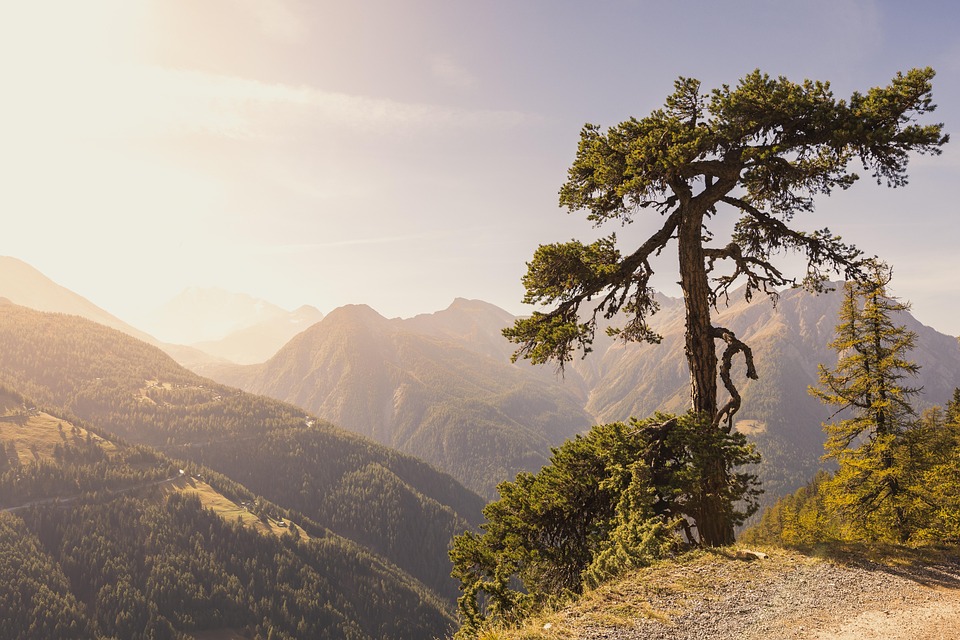
Switzerland Travel Guide: Top Destinations and Experiences
Sweeping alpine views, world-class chocolate, and postcard-perfect villages set against some of Europe’s most dramatic mountain scenery — Switzerland has earned its reputation as one of the continent’s most desirable destinations many times over. This guide covers the country’s standout destinations, its most memorable experiences, and the practical details worth knowing before you plan a trip.
Why Switzerland Continues to Draw Travellers
Switzerland’s enduring appeal comes down to a genuinely rare combination: extraordinary natural scenery, meticulously run infrastructure (particularly its rail network), and a strong, longstanding commitment to sustainable tourism. The country regularly ranks among the world’s most environmentally sustainable travel destinations, and that commitment shows up in everything from its train network to its mountain lodges.
Top Destinations in Switzerland
1. Lauterbrunnen Valley: The Postcard-Perfect Escape
Nestled in the Bernese Alps, Lauterbrunnen Valley is one of Switzerland’s most photographed landscapes — a steep-sided glacial valley lined with 72 waterfalls, rolling green meadows, and traditional wooden cabins.
Don’t Miss:
- Trümmelbach Falls, an unusual series of waterfalls running inside the mountain itself, fed by glacial meltwater from the Jungfraujoch massif above.
- The hike to Schilthorn, with a meal at Piz Gloria — the revolving mountaintop restaurant made famous as a filming location for the James Bond film “On Her Majesty’s Secret Service,” and still a working restaurant with genuinely spectacular 360-degree Alpine views today.
A growing number of local operators in the valley now offer e-bike rentals and guided hiking options, part of a broader regional push toward lower-impact ways to explore the surrounding trails.
2. Zurich: From Banking Hub to Cultural Destination
Zurich has spent the past couple of decades building a genuine cultural identity well beyond its financial-sector reputation. The city pairs cosmopolitan energy with strong traditional Swiss roots — Michelin-starred dining, contemporary art galleries, and a lively café culture along the Limmat River.
Worth Doing:
- Visit the Kunsthaus Zürich, Switzerland’s largest art museum, which underwent a major expansion completed in 2021, roughly doubling its exhibition space.
- Explore Kreis 5, a former industrial district turned genuinely vibrant neighbourhood of converted factory spaces, food markets, and independent bars and shops — one of the better examples anywhere in Europe of adaptive reuse done well.
3. Zermatt: Beyond the Ski Slopes
Zermatt remains one of Switzerland’s flagship alpine resorts, set beneath the unmistakable pyramid of the Matterhorn. While it’s long been a winter sports destination, more visitors are now building trips here around wellness and scenery rather than skiing alone — mountain spas, relaxation-focused retreats, and simply the experience of being surrounded by that landscape.
Worth Doing:
- Stay at one of the region’s mountain lodges with direct glacier and peak views.
- Join a guided stargazing outing near Gornergrat, one of the clearer, less light-polluted vantage points in the Alps for night skies.
4. Lucerne: Heritage and Lake Scenery
Lucerne blends genuine medieval heritage with an easy, walkable lakeside setting. The Chapel Bridge (Kapellbrücke), a wooden footbridge dating originally to the 14th century, remains the city’s signature landmark, and the old town around it rewards unhurried wandering.
Worth Doing:
- Take the mountain railway up Mount Pilatus and return via the Dragon Ride aerial cableway — a genuinely dramatic round trip combining the world’s steepest cogwheel railway with sweeping views back down over Lake Lucerne.
- Visit the Swiss Museum of Transport, one of the country’s most popular museums, with strong interactive exhibits covering rail, aviation, and space travel.
5. Geneva and Lake Geneva
Switzerland’s most international city, Geneva sits at the western tip of Lake Geneva and hosts a significant concentration of global diplomacy, including the European headquarters of the United Nations and numerous other international organisations. Beyond its diplomatic role, Geneva offers an attractive old town, lakeside promenades, and the iconic Jet d’Eau fountain. Nearby Montreux, further along the lake, is known for its mild microclimate, lakeside vineyards, and the Montreux Jazz Festival, one of Europe’s most respected music festivals.
6. Interlaken: Gateway to the Jungfrau Region
Sitting between Lake Thun and Lake Brienz, Interlaken serves as the main gateway to the Jungfrau region, including the Jungfraujoch — marketed as “Top of Europe” and reachable via the highest railway station in Europe, at just over 3,450 metres. The town itself is a genuinely convenient adventure-sports hub, offering easy access to paragliding, canyoning, and some of the best hiking trailheads in the Bernese Oberland.
7. Appenzell: Traditional Rural Switzerland
For a look at a quieter, more traditional side of the country, the Appenzell region in the northeast offers rolling green hills, traditional painted farmhouses, and some of Switzerland’s most distinctive regional cheese and culinary traditions. It’s also known for maintaining some of the country’s oldest cultural practices, including open-air voting assemblies (Landsgemeinde) in parts of the region, a rare living example of direct democracy in practice.
Language and Culture
Switzerland has four official languages — German, French, Italian, and Romansh — reflecting its position at the crossroads of several major European cultures. German (and Swiss German dialects) dominate in the north and centre of the country, including Zurich and Lucerne; French is spoken in the west, including Geneva and Lausanne; Italian is spoken in the southern canton of Ticino; and Romansh, a small Romance language, survives in parts of the canton of Graubünden. English is very widely understood in tourist areas and larger cities, but a few basic phrases in the relevant regional language are always appreciated.
Switzerland’s political structure is also distinctive: a federal system built around considerable autonomy for its 26 cantons, with direct democracy playing a genuinely active role in national life through frequent public referendums on specific policy questions — a system that shapes Swiss civic culture in ways visitors sometimes notice, from local signage to community-level decision-making.
Sample Itinerary Structure
One Week: Classic Switzerland
Two to three nights in Zurich or Lucerne, two to three nights in the Lauterbrunnen/Interlaken area for hiking and Alpine scenery, and a couple of nights in Zermatt or Geneva to close out the trip, connected by scenic train journeys using a Swiss Travel Pass.
Ten Days to Two Weeks
Extend the above with time in Appenzell for a slower, rural contrast, and add the Bernina Express route into Italy for a proper cross-border scenic rail day, looping back into Switzerland afterward.
Rail-Focused Trip
For travellers who want the trains themselves to be the centrepiece, a Swiss Travel Pass covering 8 to 15 days, built around the Glacier Express, Bernina Express, and Golden Pass routes, with overnight stops in Zermatt, St. Moritz, and Lucerne, showcases the country’s rail network at its absolute best.
Signature Swiss Experiences
Scenic Train Journeys
Travelling by train is one of the best ways to experience Switzerland’s landscapes, and the country’s scenic rail routes are genuinely world-class. The Glacier Express (Zermatt to St. Moritz) and the Bernina Express (crossing into Italy via the UNESCO-listed Rhaetian Railway) both offer panoramic carriages with large windows purpose-built for the views, along with onboard dining. Both routes require a seat reservation, particularly in peak summer, and are worth booking well ahead.
Culinary Travel
Swiss food goes well beyond chocolate and cheese, and gourmet-focused travel is increasingly popular in lesser-known regions like Appenzell and the Jura. Visiting a family-run alpine cheesemaker, or joining a farm-to-table meal hosted by a local producer, offers a genuinely different side of Swiss cuisine from the standard tourist menu.
Don’t miss: Zürcher Geschnetzeltes (Zurich-style sliced veal in a creamy sauce) served with rösti, or a proper regional cheese fondue — recipes and cheese blends vary noticeably by canton, so it’s worth trying more than one version if you’re travelling across regions.
Adventure and Mindful Travel
Switzerland remains a serious hub for adrenaline activities — paragliding, canyoning, and glacier trekking are all widely available, particularly around Interlaken. At the same time, more travellers are combining adventure with a slower, more intentional pace: destinations like Grindelwald and Verbier now offer retreats blending hiking with yoga, forest bathing, and other mindfulness-focused programming.
Practical Travel Information
The Swiss Travel Pass
If you’re planning to use Switzerland’s train, bus, and boat network extensively, the Swiss Travel Pass is generally the most cost-effective option, covering unlimited travel on the national public transport network (seat reservations on scenic trains like the Glacier Express still cost extra), free entry to over 500 museums, and discounts on many mountain excursions. Pricing is set in Swiss francs by the Swiss Travel System and is identical no matter where or when you buy it — buying early doesn’t lock in a lower rate, since the price charged is always the rate for your travel year. As of the most recent pricing, a 3-day second-class pass starts at around CHF 250, rising to roughly CHF 500 for 15 days; check current rates directly when booking, since prices are reviewed and adjusted periodically. For trips longer than 15 days, combining two shorter passes is generally more practical than a single long pass, since no single pass currently exceeds 15 consecutive days.
Note that the pass covers travel within Switzerland only, up to the last station before the border (such as Basel or Chiasso) — a separate ticket is needed to continue into a neighbouring country.
Staying in Eco-Friendly Accommodation
A genuinely growing number of Swiss regions, including Davos and Interlaken, now feature certified sustainable lodges built around renewable energy, local sourcing, and reduced environmental impact — worth seeking out specifically if this matters to your trip, since certification standards (like Swiss Tourism’s own sustainability labels) give a more reliable signal than general marketing claims.
Best Time to Visit
Switzerland rewards visits in every season, depending on what you’re after: spring (March–May) suits lake visits and flowering alpine meadows; summer (June–August) is peak hiking season, with long daylight hours in the mountains; autumn (September–November) brings golden foliage and thinner crowds; and winter (December–February) is prime time for snow sports across the country’s major resorts.
Currency and Costs
Switzerland uses the Swiss Franc (CHF), not the Euro, despite being surrounded by Eurozone countries — a detail worth double-checking before your trip if you’re used to travelling elsewhere in Western Europe. Switzerland is also genuinely one of the more expensive countries in Europe to visit; the Swiss Travel Pass and advance restaurant/activity research go a long way toward managing costs without cutting corners on the experience.
Frequently Asked Questions
1. What’s the best time to visit Switzerland?
It depends on your priorities: summer (June–August) for hiking and long alpine days, winter (December–February) for snow sports, spring for blooming meadows and lake scenery, and autumn for golden foliage with noticeably fewer crowds than peak summer.
2. Is the Swiss Travel Pass worth it?
For most multi-destination itineraries involving several train journeys, yes — it typically works out cheaper than buying individual tickets and adds real flexibility to change plans without losing money on unused tickets. For very short, single-city trips, it may be less worthwhile; check your specific itinerary’s likely ticket costs before deciding.
3. Does Switzerland use the Euro?
No. Switzerland uses the Swiss Franc (CHF), despite being geographically surrounded by Eurozone countries. Some tourist-facing businesses near borders accept Euros, but you’ll typically get a worse exchange rate than using Francs directly.
4. Do I need to book scenic trains like the Glacier Express in advance?
Yes, particularly for summer travel. Seat reservations are required in addition to any rail pass and should be booked well ahead of your travel dates during peak season.
5. Is Switzerland expensive to visit?
Yes, genuinely one of the more expensive countries in Western Europe for food, accommodation, and activities. A Swiss Travel Pass, advance planning around dining, and mixing higher-end experiences with more affordable options (hiking, self-catering, regional specialities over tourist-menu restaurants) all help manage costs.
6. What languages are spoken in Switzerland?
Four official languages: German (and Swiss German dialects) in the north and centre, French in the west, Italian in the southern canton of Ticino, and Romansh in parts of Graubünden. English is widely understood in tourist areas and major cities.
7. Is Switzerland good for a rail-focused trip?
Very much so — it’s arguably the best country in the world for it. The Glacier Express, Bernina Express, and Golden Pass routes offer some of the most scenic rail travel anywhere, and the Swiss Travel Pass makes extensive train, bus, and boat travel genuinely affordable relative to individual ticket pricing.
Final Thoughts
Switzerland’s combination of dramatic alpine scenery, meticulously run infrastructure, and genuine depth beyond its postcard image makes it a destination that rewards repeat visits as much as a first trip. Whether you’re drawn to Lauterbrunnen’s waterfalls, Zurich’s cultural scene, Zermatt’s mountain views, or Lucerne’s lakeside heritage, Switzerland delivers on pretty much every front travellers come here for — provided you budget accordingly and plan your train travel a little ahead of time.
For help planning your Swiss trip, visit Nihosi Travels & Tours.





Subscribe To Our Newsletter
Join our mailing list to receive the latest news and updates from our team.
You have Successfully Subscribed!