
Nestled on the westernmost point of Africa, Senegal is an enchanting land of vibrant culture, untouched nature, and warm hospitality. Often overshadowed by its more popular tourist destinations in Africa, this West African country holds treasures that can transform any trip into a once-in-a-lifetime experience. From stunning beaches to historical landmarks, bustling markets, and remote local gems, Senegal is brimming with opportunities for adventure, relaxation, and discovery.
If you’ve been searching the globe for your next travel destination, you may just have found it. In this article, we’ll explore why Senegal should be at the top of your travel bucket list, taking a closer look at both its well-known attractions and lesser-known secrets. Whether you’re a history buff, an eco-tourist, or a cultural explorer, Senegal has something irresistible to offer.
Discover the Magic of Senegal
The Land of Teranga: A Warm Welcome Awaits
What makes Senegal truly stand apart from other destinations is Teranga, a word in the local Wolof language meaning “hospitality”. Senegalese culture is deeply rooted in Teranga, and you’ll feel it from the moment you touch down. Whether you’re enjoying a home-cooked meal, chatting with vendors in a bustling market, or staying in a family-run guesthouse, the warmth and openness of the Senegalese people will leave an indelible mark on your journey.
If experiencing authentic community life is one of your travel priorities, Senegal will feel like an open embrace. The kindness extends beyond just conversations—locals will eagerly guide you to the best spots, share their traditions, and ensure you feel like part of the family.
1. Must-Visit Spots in Senegal
When travelling to Senegal, you’ll find its attractions striking a picture-perfect balance between nature, culture, and history. Here’s a list of key destinations you won’t want to miss:
1. Dakar: The Vibrant Capital
Dakar, the country’s bustling capital, will immerse you in Senegal’s lively urban energy and its blend of ancient tradition and modern living. Known as the cultural heartbeat of West Africa, the city offers vibrant nightlife, historical landmarks, and shopping opportunities. Visit Place de l’Indépendance, the heart of the city, to watch the rhythm of daily life unfold before your eyes.
Don’t miss: The Museum of Black Civilizations, which celebrates African history, art, and identity, and Marché Sandaga, where you can hunt for local crafts, fabrics, spices, and vibrant souvenirs.
2. UNESCO World Heritage Island: Gorée Island
Just a short ferry ride from Dakar lies Gorée Island, a UNESCO World Heritage Site that serves as a solemn reminder of Africa’s colonial history. The island was a major port in the transatlantic slave trade. The Maison des Esclaves (House of Slaves) stands as a poignant symbol of the millions of lives impacted by the slave trade.
Yet Gorée isn’t defined by tragedy alone. Today, it is an idyllic, colourful haven with quiet cobbled streets, Bougainvillea-covered homes, and artists selling their works on nearly every corner. Spend a day strolling through Gorée, soaking in the blend of memory, art, and peace that defines it.
3. Lac Rose: The Pink Wonder
Lac Rose, also known as Lake Retba, is a natural wonder you can’t find just anywhere. Famous for its striking pink-hued waters, this unique lake owes its colour to its high salt concentration and a specific kind of microalgae. Watching the shimmering waters of the lake change hues as the day progresses feels almost magical.
Feeling adventurous? Locals working in the salt industry will gladly accommodate you on a guided trip to see how salt is extracted. Lac Rose is also a great destination for photography enthusiasts looking to capture its surreal, glossy charm.
4. Saint-Louis: The Colonial Time Capsule
For visitors interested in Senegal’s colonial history, Saint-Louis, once the French colonial capital of West Africa, is an unmissable destination. The picturesque city, located on an island in the Senegal River, is known for its European-style architecture and tranquil charm.
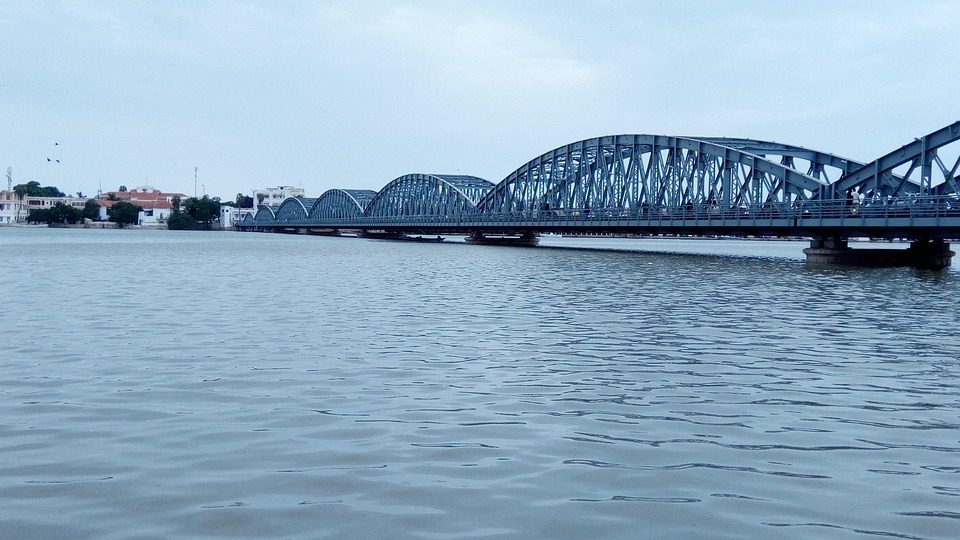
Wander through Saint-Louis’ quaint streets, marvel at colonial-era buildings, and visit the famous Faidherbe Bridge, a feat of engineering designed by Gustav Eiffel. Capture the elegance of yesteryears while enjoying musical performances in this UNESCO World Heritage Site.
2. Shores and Serenity: Beaches and Natural Reserves
The Tropical Lounges of Saly-Portudal
Often referred to as the Riviera of Senegal, Saly-Portudal is a perfect beach escape offering luxury resorts, crystal-clear waters, and endless stretches of golden sand. Whether you’re looking to unwind under the sun or indulge in water sports, Saly has you covered.
Djoudj National Bird Sanctuary
If you’re a nature enthusiast, the Djoudj National Bird Sanctuary deserves a spot on your itinerary. Located near Saint-Louis, it is home to over 400 species of migratory birds. Marvel at the sights of pink flamingos, pelicans, and African spoonbills. This wetland paradise is a must-visit for ornithologists and wildlife photographers.
3. Senegal’s Local Secrets: Go Off the Beaten Path
Unexplored Villages in Casamance
The lush and culturally rich region of Casamance, in southern Senegal, is unlike anywhere else in the country. With its dense forests, winding rivers, and tribal traditions, the region feels worlds apart from urban Dakar.
Explore unspoiled beaches in Cap Skirring, visit traditional Diola villages, and partake in ceremonial dances. Casamance offers an intimate, immersive cultural experience that stands in stark contrast to the chaos of modern cities.
Bassari Country: Ancient Traditions Preserved
For a dose of ancient African heritage, head to the Bassari Country, a UNESCO World Heritage area located in the southeastern corner of Senegal. Home to the pastoral Bassari, Bedik, and Fula communities, this region is celebrated for its living traditions, architecture, and spiritual practices.
Hike through its rugged highlands to discover lush vistas, hidden villages, and authentic local encounters that showcase Senegal’s layered cultural fabric.
Practical Advice for Travelling in Senegal
- Best Time to Visit: The dry season, November through May, offers pleasant temperatures and limited rain. This is ideal for exploring both the coast and the interior.
- Local Cuisine: A trip to Senegal wouldn’t be complete without sampling traditional dishes like Thieboudienne (fish and rice) and Yassa (lemon-marinated chicken).
- Transportation: Use taxis or car rentals for convenience. Buses are available but are quite slow.
Frequently Asked Questions
What is the best time to visit Senegal?
Senegal’s dry season (November–May) offers excellent weather for travel.
How do I get to Sénégal Gorée Island?
Take a short ferry ride from Dakar’s port—frequent departures make this convenient for a day trip.
What is Senegal’s official language?
French is the official language, but many locals also speak Wolof.
Ready to Plan Your Trip?
Senegal is calling, and you don’t have to think twice. With its warm Teranga spirit, unique attractions, and incredible diversity, this West African gem guarantees memories that will last a lifetime.
Looking for guided tours in Senegal or expert recommendations? Visit Nihosi Travels & Tours, where your adventure begins. Let us help you explore Senegal like never before!










Subscribe To Our Newsletter
Join our mailing list to receive the latest news and updates from our team.
You have Successfully Subscribed!