
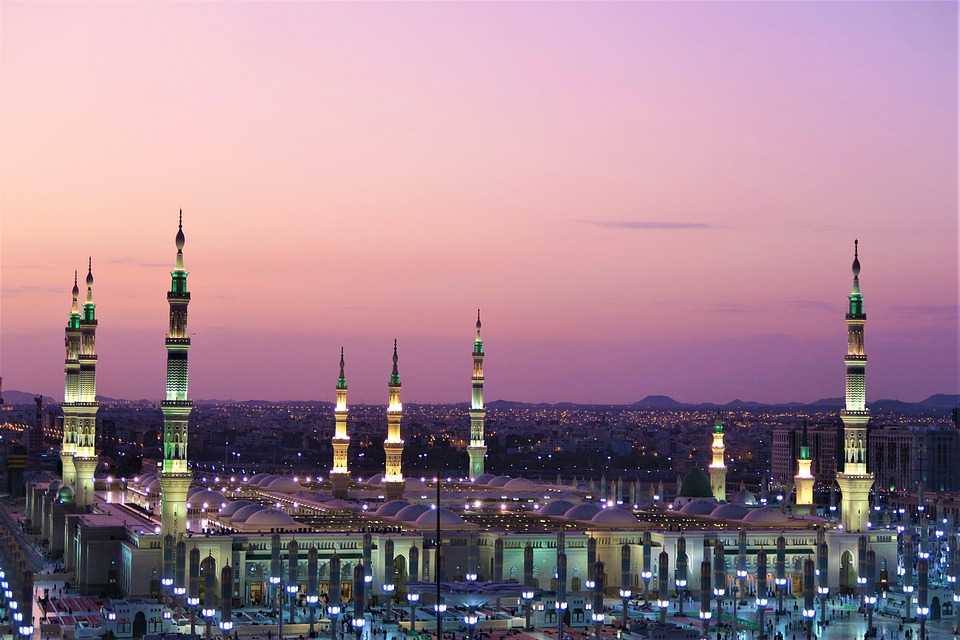
Saudi Arabia is a land of breathtaking contrasts, blending golden deserts, verdant oases, rugged mountains, and pristine coastlines. While often associated with vast oil reserves and historic landmarks such as Mecca and Medina, the Kingdom is also home to an array of natural wonders that remain relatively undiscovered by the global traveller. Over the last few years, Saudi Arabia’s increasing focus on tourism, driven by its Vision 2030 initiative, has sparked curiosity about these awe-inspiring landscapes.
If you’re an adventurous traveller, a nature lover, or a history enthusiast looking for destinations that combine tradition with raw natural beauty, this guide is your perfect companion. Here’s a detailed exploration of Saudi Arabia’s most stunning natural wonders you absolutely need to visit—and why they deserve a place on your travel itinerary.
Why Explore the Natural Wonders of Saudi Arabia?
Before diving into the highlights, you might ask: “Why venture into Saudi Arabia for natural attractions, given its reputation as a desert nation?” The answer lies in the diverse landscapes awaiting discovery. From the serene coastline of the Red Sea to the rocky escarpments of AlUla, Saudi Arabia offers more than just deserts—its natural terrain tells a tale of history, geology, and unparalleled beauty.
Thanks to the Kingdom’s recent focus on sustainable tourism and preservation, visiting these sites has become more accessible than ever. Whether you’re hiking ancient trails, diving in crystal-clear waters, or exploring volcanic craters, Saudi Arabia invites you to experience nature unlike anywhere else in the Middle East.
1. AlUla: A Living Museum of Natural and Historical Wonders
AlUla is not just a location—it’s an emotional journey through time. Known as the “Pearl of Saudi Arabia,” this region is a treasure trove of history encased in stunning geological formations.
Why AlUla is Unmissable
- Maraya Concert Hall: The world’s largest mirrored structure blends seamlessly into AlUla’s desert landscapes.
- Red Sandstone Rock Formations: Picture jagged cliffs, unique stone arches, and colossal boulders that resemble giant sculptures, such as the famous Elephant Rock (Jabal Al-Fil).
- Ancient Nabatean Tombs: The UNESCO-listed Hegra (Madain Saleh) offers a glimpse of the Nabateans’ civilisation, rivaling the grandeur of Petra in Jordan.
Traveler Tip: Visit during the winter when AlUla hosts its Winter at Tantora festival, showcasing live performances and exciting cultural activities.
2. The Empty Quarter (Rub’ al Khali): The World’s Largest Sand Desert
Rub’ al Khali, also known as the Empty Quarter, is a spellbinding sea of sand stretching over 650,000 square kilometres. While the name suggests desolation, its vastness reflects the humbled awe of those who step foot in it.
Highlights of the Empty Quarter
- Sand Dunes: Some rise as high as 250 metres, offering an unparalleled opportunity for dune bashing and sandboarding.
- Stellar Nights: The absence of light pollution transforms the sky into a stargazer’s paradise.
- Fossil Hunts: You might uncover ancient marine fossils hidden beneath the dunes, evidence of a time when this region was submerged underwater.
Did You Know? Lawrence of Arabia famously crossed the Empty Quarter during his Middle Eastern expedition.
3. Red Sea Coastline: A Diver’s Paradise
The Red Sea is often referred to as the “hidden gem” of Saudi Arabia’s eco-tourism offerings. Its unspoilt coral reefs rival those of the Maldives and the Great Barrier Reef, and its coastal towns provide a serene retreat from bustling city life.
Must-Visit Spots on the Red Sea
- Yanbu: Known as the “Pearl of the Red Sea,” Yanbu offers some of the best snorkelling and diving experiences, with abundant marine life and vibrant coral reefs.
- Farasan Islands: An untouched archipelago teeming with natural beauty, these islands are a haven for migratory birds, including flamingos.
- Jeddah’s Corniche: Not just a natural wonder, this vibrant waterfront promenade is perfect for sunset picnics or an evening stroll.
Traveler Tip: For divers, the Seven Sisters Reef near Yanbu is a must-see for its vibrant array of marine species.
4. Edge of the World (Jebel Fihrayn): Nature’s Balcony
The Edge of the World, located two hours from Riyadh, owes its name to the jaw-dropping view it offers—an endless stretch of desert that appears to go on forever.
Why It’s a Must-See
- Photographer’s Dream: This dramatic cliff, with sheer drops, provides endless opportunities for breathtaking shots.
- Hiking Trails: Test your endurance with trails leading to the edge, unveiling fossils embedded in the cliffs.
- Peaceful Solitude: Escape from the hectic pace of city life and bask in the tranquillity of this majestic landscape.
Pro Tip: Visit during sunrise or sunset to see the cliff come alive with hues of gold and red. And remember, always bring plenty of water!
5. Al Wahbah Crater: Saudi Arabia’s Volcanic Wonder
Nestled in the heart of the Hafer Kishb basalt plateau, the Al Wahbah Crater is a geological marvel that will leave you speechless. Measuring 2km wide and 250 metres deep, this massive volcanic crater is legendary.
What Makes Al Wahbah Special
- Salt Flats: The crater’s flat, glaring white base is composed of crystallised sodium phosphate—a shimmering spectacle that looks otherworldly.
- Hiking Adventures: The descent into the crater is challenging yet rewarding, perfect for experienced hikers.
- Flora and Fauna: Look out for unique desert plants and birds that call this surreal landscape home.
Did You Know? According to local legend, the crater was formed when two mountains fell in love but could not come together. The crater signifies the weeping of the mountains.
6. Asir Mountains: Lush Green Escapes
Contrary to the stereotypical deserts, the Asir region is a mix of mountainous terrain, green pastures, and mist-covered valleys. The terrain here is surprisingly lush, offering a different facet of Saudi Arabia’s natural beauty.
Why Visit the Asir Region
- Abha: The cultural capital of the region offers access to Souda National Park, home to verdant cliffs and juniper forests.
- Traditional Villages: Visit Rijal Almaa, a historic stone village that stands as a testament to ancient Arabian architecture.
- Cool Weather: Thanks to its altitude, the Asir region enjoys a cooler climate, making it a perfect summer retreat.
Traveler Tip: If you love cable cars, don’t miss the ride at Souda Mountain for panoramic views of the region.
7. Harrat Khaybar Lava Fields: A Landscape Frozen in Time
For volcanic enthusiasts, the Harrat Khaybar in the Madinah Province is a surreal black-and-white volcanic field dotted with ancient lava domes. The view of contrasting hues of dark basalt and white ash is spellbinding.
Why It’s Worth Visiting
- White Volcano of Jebel Bayda: A striking geological feature that earned a reputation as the “moon of Saudi Arabia.”
- Geological Fascination: Witness frozen lava flows, cinder cones, and basalt layers spanning millions of years.
- Cultural Significance: Explore ancient petroglyphs and fossils left behind by early settlers in the region.
Practical Tips for Exploring Saudi Arabia’s Natural Wonders
- Best Time to Visit: The winter months (November to February) are ideal due to cooler temperatures. Summers can be scorching, especially in desert regions.
- Travel Permits: Some areas may require special travel permits. Check with local authorities or consult Nihosi Travels & Tours for guidance.
- Dress Modestly: Respect local customs and dress appropriately, especially when visiting rural or traditional sites.
- Bring Essentials: Always carry plenty of water, sunscreen, and a hat, especially when wandering desert landscapes or hiking rugged trails.
Featured FAQ Section
Below are some frequently asked questions about exploring Saudi Arabia’s natural wonders:
What are Saudi Arabia’s top natural wonders for first-time visitors?
First-time visitors should prioritise AlUla, the Red Sea coastline, and the Edge of the World for an unforgettable introduction to the Kingdom’s natural splendours.
Is Saudi Arabia a safe destination for nature enthusiasts?
Absolutely! The Kingdom has invested heavily in infrastructure and tourism safety. However, always travel with a guide for remote locations.
Embark on an adventure like no other by exploring Saudi Arabia’s natural wonders. Whether you’re gazing at the infinity of the Rub’ al Khali, scaling the Asir Mountains, or marvelling at the volcanic creations, the Kingdom promises awe-inspiring experiences at every turn. Ready to pack your bags? Start planning your dream journey today with Nihosi Travels & Tours!








Subscribe To Our Newsletter
Join our mailing list to receive the latest news and updates from our team.
You have Successfully Subscribed!