
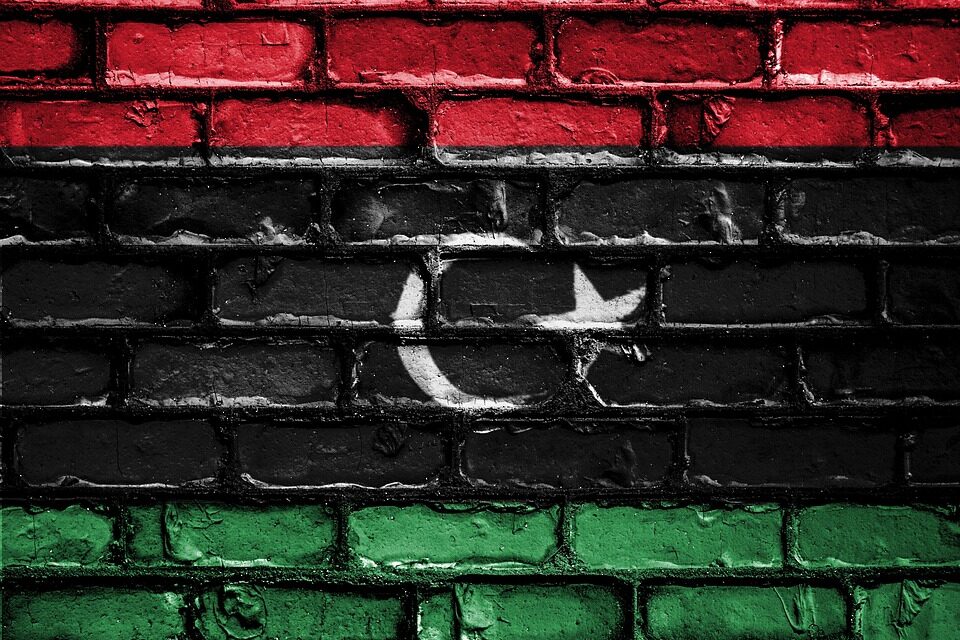
Libya, a country of enchanting contrasts and untamed beauty, boasts an extraordinary cultural heritage that stretches back thousands of years. This North African nation, often recognised for its golden dunes and rugged Mediterranean coastline, also hides a treasure trove of ancient cities, captivating historical narratives, and authentic local experiences. For history buffs, culture seekers, and adventure lovers alike, Libya offers a unique tapestry of untold stories and unforgettable journeys.
In this article, we’ll embark on a comprehensive exploration of Libya’s cultural wonders – from its mesmerising ancient cities and historical milestones to the vibrant cultural traditions that continue to shape its identity today.
So, are you ready to uncover the secrets of Libya’s illustrious past and its dynamic present?
A Glimpse Into Libya’s Rich Historical Tapestry
To truly appreciate Libya’s cultural heritage, one must first understand its historical significance. Libya has been a crossroads of civilisations, with its lands playing host to the ancient Greeks, Romans, Phoenicians, Berbers, and Arabs. Over millennia, this diverse blend of influences has left an indelible mark on Libya’s architecture, traditions, and way of life.
The history of Libya is a fascinating timeline that begins with early prehistoric settlements and spans the heights of the ancient Mediterranean civilisations. Notably, cities like Leptis Magna, Sabratha, and Cyrene emerged as prominent powerhouses of trade, art, and culture during the Greco-Roman period.
But it’s not just antiquity where Libya shines. In the 7th century, the Arab conquest introduced the region to Islam, intertwining Libyan culture with the rich traditions of the Islamic world. Following centuries of Ottoman rule, Libya became an Italian colony in the early 20th century before its struggle for independence post-World War II. These epochs have reshaped Libya’s landscape and given its culture a fascinating multidimensionality.
1. Ancient Cities of Libya: UNESCO World Heritage Treasures
Leptis Magna: The Jewel of Roman Africa
Leptis Magna, located in modern-day Al Khoms, serves as one of the finest examples of Roman architecture ever preserved. Often referred to as “Rome by the Sea,” this UNESCO World Heritage Site depicts the grandiosity of Roman engineering and urban planning.
As you stroll through the well-preserved ruins, you’ll discover the magnificence of structures like the Basilica of Septimius Severus, the Amphitheatre, and the elaborate marketplace. The detail of the columns, mosaics, and archways reflects the architectural mastery of its era.
Want to make the most of your trip? Visit during the spring when the surrounding landscape comes alive with an abundance of wildflowers, providing a scenic backdrop for photography and exploration.
Sabratha: A Window Into the Phoenician and Roman Eras
Further west along the coast lies Sabratha, a city with Phoenician roots that later flourished under Roman rule. Its crowning jewel? The breathtaking Roman theatre, an architectural masterpiece overlooking the pristine Mediterranean waters.
Sabratha offers visitors not just history to admire but also a chance to connect with Libya’s maritime legacy. Imagine the bustling port life in ancient times, as merchants from across the world converged in this city to exchange goods, ideas, and traditions.
Pro tip: Climb the upper levels of the theatre for sweeping views of both ruins and the horizon-stretching sea.
Cyrene: Ancient Greece in Libya
For those drawn to Greek antiquity, Cyrene provides an awe-inspiring glimpse into this Classical world. Nestled in the verdant hills of the Jebel Akhdar region, Cyrene is surrounded by landscapes dramatically different from the arid Libyan deserts.
The city is renowned for its Temple of Apollo, which stands as a testament to the artistic achievements of ancient Greece. The grandeur of Cyrene’s theatre and necropolis further enriches the city’s historic charm.
Did you know? Cyrene was once a centre of intellectual and philosophical discourse, rivalling even Athens in its cultural contributions. Visiting Cyrene is like stepping back into an age of enlightenment.
2. Libyan People and Cultural Traditions
Berber Heritage: The Roots of Libya
Long before the rise of empires, the indigenous Berber (or Amazigh) people laid the foundation for Libyan culture. They continue to play an integral role, especially in regions like Nafusa Mountain.
Today, Berber traditions are celebrated through festivals, music, and crafts. Their language, Tamazight, is experiencing a cultural revival, and visitors are often charmed by authentic Berber hospitality in places like Ghadames, “The Pearl of the Desert.”
Cuisine: A Delicious Journey Across the Nation
Libyan cuisine is a delectable blend of Mediterranean, African, and Middle Eastern influences. Staples like couscous and asida are complemented by spicy stews, roasted lamb, and savoury flatbreads.
If you’re ever in Libya, be sure to try “bazeen,” an ancient dish made from barley dough topped with meat and eggs, steeped in a tomato-based sauce.
Planning to immerse yourself further? Many local families welcome visitors to join them for meals, offering a true glimpse into Libyan hospitality.
Festivals and Celebrations
Culture in Libya is best observed during its vibrant festivals. One iconic event is the Ghadames Festival, a colourful celebration of Berber traditions, featuring music, crafts, and performances in the stunning oasis city.
Islamic festivals like Eid-al-Fitr and Eid-al-Adha also portray the spiritual depth of Libyan society, with communal prayers, grand feasts, and a spirit of generosity defining these joyous occasions.
3. Local Experiences in Libya: Beyond the Guidebooks
Want to go beyond historical ruins? Let’s explore experiences that immerse you in Libya’s modern culture:
- Tea Ceremonies: Libyans are passionate about their tea, prepared in three stages – bitter, sweet, and with mint. Participating in this ceremony offers a heartwarming introduction to Libyan hospitality.
- Traditional Souks: Wander through bustling markets for artisan crafts, timeless jewellery, and fragrant spices. Souks like those in Tripoli display incredible artistry and serve as cultural hubs.
- Desert Adventures: Outside cities, the vast Sahara beckons. Embark on guided excursions to places like the Akakus Mountains, where the rock art reveals stories of prehistoric Libya.
Practical Travel Tips
- Plan with Local Guides: Navigating Libya’s cultural offerings is best done with support from reputable local agencies like Nihosi Travels & Tours. Their curated itineraries can provide deeper insights and ensure safe travel.
- Best Times to Visit: Spring (March to May) and autumn (September to November) offer the most comfortable weather conditions for exploring cities and desert landscapes.
- Respect Local Customs: Always dress modestly and follow Islamic etiquette, especially when visiting mosques or during Ramadan.
FAQs About Libya’s Cultural Heritage
Q1: Is Libya safe for travellers in 2024/2025?
Libya’s safety conditions vary by region. It’s crucial to research current travel advisories or consult local experts like Nihosi Travels.
Q2: Which is the most famous ancient city in Libya?
Leptis Magna is often considered the most iconic due to its world-renowned Roman ruins.
Q3: What makes Libyan cuisine unique?
The fusion of Mediterranean ingredients with African and Middle Eastern spices creates flavours you won’t find elsewhere.
Wrap-Up: Why Libya Deserves a Spot on Your Bucket List
Exploring Libya’s cultural heritage is an unforgettable journey into the layers of human civilisation – from ancient cities that once ruled the Mediterranean to vibrant traditions that stand resilient in modern times.
While Libya remains an under-the-radar travel destination for many, those who visit will find themselves captivated by its history, mesmerised by its landscapes, and inspired by the resilience of its people.
Ready to witness it all for yourself? Make it happen with the trusted guidance of Nihosi Travels & Tours, where fascinating itineraries bring you closer to Libya’s past and present.
Optimised for Google SEO with primary and related keywords integrated naturally throughout, this article aligns with the guidelines for E-E-A-T and user satisfaction.
(Alt text optimised for all suggested images: “Leptis Magna Roman ruins,” “Traditional Libyan bazeen dish,” etc.)











Subscribe To Our Newsletter
Join our mailing list to receive the latest news and updates from our team.
You have Successfully Subscribed!