
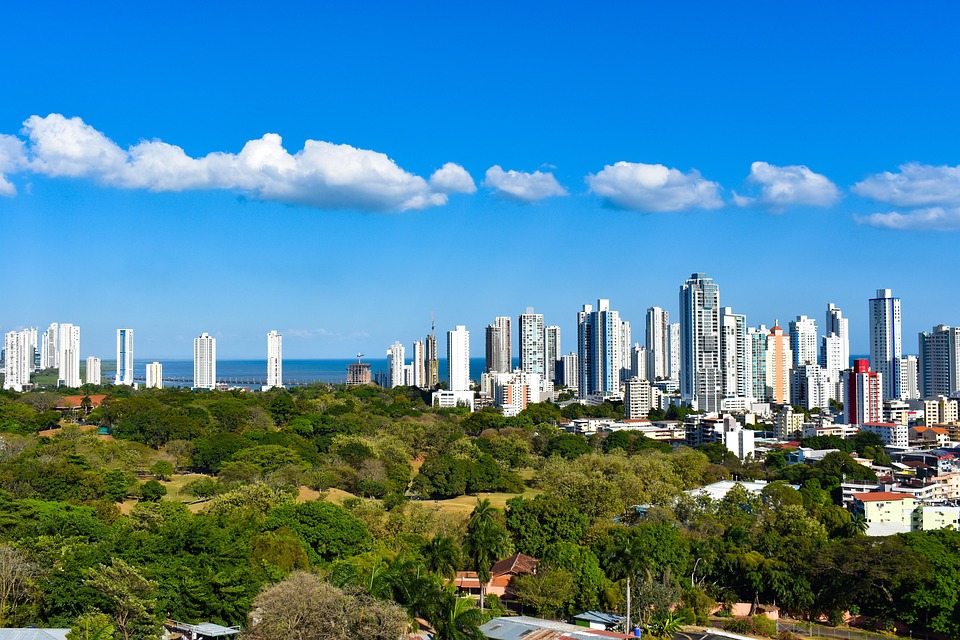
Panama may be best known for the famous canal that connects the Atlantic and Pacific, but there is much more to discover beyond this extraordinary engineering landmark. From the modern skyline of Panama City and the historic streets of Casco Antiguo to Caribbean islands, cloud forests, coffee farms, tropical beaches and Indigenous cultures, Panama offers an impressive variety of experiences within a relatively compact country.
For travellers planning an international holiday from Nepal, Panama can be an especially interesting choice for those looking for something different from the more familiar destinations in Asia, Europe or the Middle East. The journey is long and requires careful flight and visa planning, but the reward is a destination where city life, nature, history, beaches and adventure can be combined in one trip.
This Panama travel guide is designed to help you understand where to go, what to see, how much time to allow and what to consider before travelling. Rather than focusing on short-lived travel trends, it provides evergreen information that can remain useful as you plan your Panama holiday.
Why Visit Panama?
Panama’s appeal comes from its combination of geography and diversity.
Within one journey, you can explore a modern capital, walk through a UNESCO-listed historic district, visit one of the world’s most important waterways, travel into tropical rainforest, relax on Caribbean islands and explore highland coffee country.
Panama’s official tourism authority highlights the country’s biodiversity, Indigenous cultures, Afro heritage, Spanish influences, beaches, coffee farms, wildlife and opportunities for outdoor activities. The country’s relatively compact geography also makes it possible to combine several different experiences without spending the entire holiday travelling between destinations.
That variety makes Panama suitable for several types of travellers:
- Couples and honeymooners
- Families
- Nature and wildlife enthusiasts
- Adventure travellers
- Beach lovers
- Luxury travellers
- Photographers
- Coffee enthusiasts
- Travellers interested in history and culture
Panama at a Glance
- Country: Panama
- Region: Central America
- Capital: Panama City
- Currency: Panamanian Balboa (PAB) and US Dollar (USD)
- Official language: Spanish
- Geography: Caribbean Sea to the north and Pacific Ocean to the south
- Famous landmark: Panama Canal
- Major travel experiences: Beaches, islands, rainforest, wildlife, coffee, culture, history and adventure
The US dollar is widely used in Panama alongside the Balboa. The Balboa is pegged to the US dollar at the same value, and Panama uses US dollar notes in everyday circulation. Travellers should still carry smaller amounts of cash for some local services and smaller destinations.
1. Panama City: Where Your Panama Journey Begins
For most international visitors, Panama City is the natural starting point.
It is a modern capital with a striking skyline, shopping areas, restaurants, museums, waterfront spaces and easy access to historic and natural attractions.
What makes Panama City particularly interesting is how quickly the environment changes. You can move from modern high-rise buildings to a historic colonial neighbourhood and then to tropical rainforest without travelling far from the city.
Panama City’s official tourism information highlights its combination of modern urban life, history, gastronomy and biodiversity, including rainforest experiences close to the capital.
Things to Do in Panama City
- Visit the Panama Canal
- Explore Casco Antiguo
- Visit Panama Viejo
- Walk along the Amador Causeway
- Explore museums
- Enjoy Panamanian and international cuisine
- Visit local markets and artisan shops
- Explore the city’s waterfront
- Take a nature or wildlife excursion
For a first visit, three to four nights in Panama City can provide a comfortable introduction before moving to another region.
2. The Panama Canal: The Country’s Most Famous Landmark
No Panama itinerary is complete without seeing the Panama Canal.
The canal is one of the world’s most important waterways and has played a major role in international maritime trade since its opening in 1914.
Visitors can experience the canal through visitor centres, observation areas, museums and organised tours. The Miraflores Visitor Center is one of the most accessible options from Panama City.
The canal is not simply something to photograph. Understanding how the locks operate and why the canal was constructed adds considerably to the experience.
Panama’s tourism authority describes the canal as both an engineering landmark and a place where visitors can learn about its economic, cultural and environmental importance.
How Long Should You Spend at the Panama Canal?
A few hours can be enough for a visitor-centre experience, while travellers interested in the history and operation of the canal may want to allow more time.
If you are visiting Panama City for several days, the canal can easily be combined with Casco Antiguo and other city attractions on a well-planned itinerary.
3. Casco Antiguo: Panama City’s Historic Heart
Casco Antiguo, also known as Casco Viejo, is one of the most atmospheric parts of Panama City.
Its cobbled streets, historic buildings, plazas, churches, cafés, restaurants and viewpoints make it particularly enjoyable to explore on foot.
The district is a UNESCO World Heritage Site and dates from the late seventeenth century. Its architecture reflects Spanish and French colonial influences and its streets contain important historical landmarks.
What to See in Casco Antiguo
- Plaza de la Independencia
- Plaza de Francia
- Plaza Bolívar
- Historic churches
- National Theatre area
- Esteban Huertas Walkway
- Local museums
- Artisan shops
- Restaurants and cafés
- Rooftop viewpoints
Casco Antiguo is particularly enjoyable in the late afternoon when the temperature becomes more comfortable and the neighbourhood begins to come alive with restaurants, cafés and evening activities.
The official tourism authority recommends exploring the district on foot and highlights its historic plazas, architecture, museums, restaurants and cultural atmosphere.
4. Bocas del Toro: Panama’s Caribbean Side
If Panama City represents the country’s urban side, Bocas del Toro offers a completely different experience.
The region combines Caribbean islands, tropical forests, beaches, reefs, mangroves and local culture.
Bocas del Toro is accessible by a short domestic flight from Panama City, and the official tourism authority describes the destination as a combination of mainland rainforest and a Caribbean archipelago.
Things to Do in Bocas del Toro
- Relax on Caribbean beaches
- Snorkel
- Dive
- Surf
- Explore mangroves
- Take boat trips
- Explore tropical forests
- Experience local culture
- Enjoy relaxed island accommodation
Bocas del Toro is particularly attractive for couples and travellers who want to add a few relaxing beach days after sightseeing in Panama City.
How Many Nights in Bocas del Toro?
Three to four nights can work well for a first visit. Travellers who want a slower island holiday can stay longer.
If you are combining Bocas del Toro with several other regions, however, consider the additional domestic travel time before adding too many destinations.
5. Boquete: Mountains, Coffee and Cooler Weather
Boquete provides another major contrast to Panama City and the Caribbean coast.
Located in the mountains of Chiriquí, Boquete is known for its cooler climate, forests, coffee farms, hiking and outdoor activities.
The region is particularly famous for high-quality coffee, including Panama’s renowned Geisha coffee.
The Panama Tourism Authority highlights Boquete’s coffee farms, mountain scenery, forests, biodiversity, hiking and adventure activities.
Things to Do in Boquete
- Visit coffee farms
- Learn about coffee production
- Explore cloud-forest landscapes
- Go hiking
- Enjoy mountain scenery
- Try local food
- Explore outdoor adventure activities
- Visit nearby natural attractions
Boquete is an excellent addition for travellers who want to experience a cooler mountain environment rather than spending the entire holiday in tropical lowlands.
Getting to Boquete
The fastest option from Panama City is generally to fly to David and continue by road to Boquete. The official tourism authority estimates the road journey from David to central Boquete at around 50 minutes under normal conditions.
6. Panama’s Beaches and Islands
Panama has coastlines on both the Caribbean Sea and the Pacific Ocean, giving travellers a wide choice of beach environments.
Not every beach destination offers the same experience, so choosing the right one is important.
Caribbean Coast
The Caribbean side is associated with destinations such as Bocas del Toro and the San Blas Islands, where travellers can experience tropical scenery, islands, reefs and Indigenous culture.
Pacific Coast
The Pacific side offers a different selection of beaches and coastal communities, including destinations around the Riviera Pacifica and areas farther west and south.
What Kind of Beach Holiday Do You Want?
- Island escape: Consider Bocas del Toro or San Blas/Guna Yala.
- Surfing: Look toward destinations known for consistent surf conditions.
- Luxury beach resort: Consider selected Pacific coast resorts.
- Nature: Look for coastal destinations with protected ecosystems.
- Culture: Consider destinations where local and Indigenous communities are an important part of the experience.
7. San Blas Islands and Guna Yala
The San Blas Islands, within the Indigenous territory of Guna Yala, offer a very different type of island experience.
The attraction is not simply the beaches. The region also provides an opportunity to learn about the Guna people and their relationship with the islands and surrounding environment.
Travellers should remember that this is an Indigenous territory with its own rules and local arrangements. Visitors should respect community guidelines, photography policies and environmental practices.
Accommodation can be considerably simpler than a conventional luxury resort, which is part of the appeal for travellers looking for a more natural and locally oriented island experience.
8. Boquete Coffee: A Must for Coffee Lovers
Panama has an important place in the specialty coffee world, and Boquete is one of the country’s best-known coffee-growing regions.
For travellers interested in coffee, a plantation visit can be much more rewarding than simply ordering a cup at a café.
A coffee tour can explain how coffee is grown, harvested, processed and prepared. Depending on the farm and season, visitors may also have the opportunity to taste different coffees and learn about the factors that influence flavour.
Panama’s tourism authority specifically promotes coffee farms and Geisha coffee as one of the country’s distinctive travel experiences.
9. Panama’s Rainforests and Wildlife
Panama’s geographical position between North and South America contributes to its extraordinary biodiversity.
Travellers do not necessarily need to travel deep into remote wilderness to experience nature. Panama offers rainforest and wildlife experiences relatively close to Panama City as well as more remote national parks and protected areas.
Depending on the location and season, visitors may encounter monkeys, sloths, toucans, frogs, reptiles, tropical birds and marine life.
Panama’s official tourism authority highlights birdwatching, wildlife, rainforest, turtle nesting and marine ecosystems among the country’s major nature experiences.
For Wildlife Lovers
Consider adding one or more of the following:
- Rainforest walks
- Birdwatching
- Boat trips
- Marine excursions
- Whale-watching during appropriate seasonal periods
- Snorkelling
- Diving
- Nature reserves
- Community-based nature experiences
10. Coiba National Park
Coiba National Park is one of Panama’s most important protected areas and is recognised by UNESCO as a World Heritage Site.
The park is particularly interesting for travellers interested in marine ecosystems, diving, snorkelling and wildlife.
Because Coiba is a protected and relatively remote environment, visiting requires more planning than simply booking a normal beach excursion.
Travellers should use properly organised tours and follow conservation and park regulations.
11. Portobelo: History and Afro-Panamanian Culture
Portobelo on Panama’s Caribbean coast offers a different combination of history, culture and nature.
The area is known for Spanish colonial heritage and Afro-Panamanian culture. Visitors can explore historic ruins and learn about the region’s role in the colonial era.
Portobelo also provides access to coastal and marine experiences.
The Panama Tourism Authority highlights Portobelo’s colonial history, Afro-Congo cultural heritage and Caribbean setting.
For travellers who enjoy history and culture, Portobelo can be a worthwhile addition to a Panama itinerary, especially when combined with other attractions around the Caribbean side.
12. Indigenous Culture in Panama
Panama is home to several Indigenous communities, and cultural experiences can form an important part of a responsible visit.
The official tourism authority currently highlights connections with seven Indigenous communities across Panama.
Depending on the destination, travellers may be able to learn about traditional crafts, food, local environments, history and community life.
However, cultural tourism should always be approached respectfully. A community visit should not be treated simply as an attraction. Travellers should follow local rules, ask before taking photographs and choose experiences that work directly with local communities.
13. Best Time to Visit Panama
Panama is a tropical country, and weather can vary between regions. Instead of asking for one universal “best month,” it is better to choose your travel period according to the destinations and activities you want.
Dry Season
The period generally associated with drier conditions is often popular with travellers who want more predictable weather for sightseeing and outdoor activities.
This can also be a busier period, particularly around holidays.
Green Season
The wetter period can bring more rainfall, but it can also mean greener landscapes and different travel conditions.
Rain does not necessarily mean that it rains continuously throughout the day. Weather patterns vary by region and season.
For Beaches
Beach conditions depend on which coast and island group you visit. A beach itinerary should therefore be planned around the specific destination rather than assuming the same weather applies throughout Panama.
For Wildlife
Wildlife and marine experiences are also influenced by location and season. If whale watching, turtle nesting or a particular wildlife experience is important to you, check the seasonal conditions for the exact destination before booking.
14. How Many Days Do You Need in Panama?
Panama can be visited on a short city break, but a longer trip allows you to experience the country’s diversity.
5 to 6 Days
Focus on Panama City, Casco Antiguo and the Panama Canal, with one additional nature or beach experience if your schedule permits.
7 to 9 Days
A week or slightly longer can allow a combination such as:
- Panama City
- Panama Canal
- Casco Antiguo
- Boquete or Bocas del Toro
10 to 14 Days
With around two weeks, you have greater flexibility to combine Panama City with Boquete, Bocas del Toro, a beach destination and a nature or cultural experience.
The most important principle is to avoid changing hotels every night. Panama may be relatively compact compared with some countries, but transfers, flights and boat journeys still take time.
15. Sample Panama Itinerary Ideas
Classic Panama – 7 Days
- Day 1: Arrive in Panama City
- Day 2: Panama City sightseeing
- Day 3: Panama Canal and surrounding attractions
- Day 4: Casco Antiguo and cultural experiences
- Day 5: Travel to a selected beach or nature destination
- Day 6: Beach or nature experience
- Day 7: Return and departure
Panama Nature and Coffee – 9 to 10 Days
- Panama City
- Panama Canal
- Casco Antiguo
- Flight to David
- Boquete
- Coffee farm
- Mountain and nature experiences
- Return to Panama City
Panama City and Caribbean – 9 to 10 Days
- Panama City
- Panama Canal
- Casco Antiguo
- Flight to Bocas del Toro
- Island and marine experiences
- Beach relaxation
- Return to Panama City
Panama Highlights – 12 to 14 Days
- Panama City
- Panama Canal
- Casco Antiguo
- Boquete
- Coffee experience
- Bocas del Toro
- Caribbean beach experience
- Additional nature or cultural experience
The exact order should be adjusted according to flight schedules, accommodation availability, weather, budget and the traveller’s interests.
16. Panama Travel for Visitors from Nepal
For travellers from Nepal, Panama requires more preparation than a typical short-haul holiday.
The biggest considerations are international flights, transit arrangements, visa requirements, travel insurance, accommodation and the amount of time available.
Do Nepali Citizens Need a Visa for Panama?
Visa requirements depend on nationality and the traveller’s individual circumstances. Nepali passport holders should verify the current Panama immigration requirements before booking a non-refundable trip.
Panama’s National Migration Service states that foreign travellers must enter through authorised immigration points, present a valid passport or travel document and, where applicable, a valid visa. The authority also lists financial-solvency and return/onward-ticket requirements among the conditions that can apply to visitors.
Panama’s official tourist visa documentation also specifies requirements such as a passport with at least three months of validity and confirmed onward or return travel, while visa procedures can depend on the applicant’s nationality and circumstances.
Important: Visa and entry rules can change. Always verify the current requirements with Panama’s immigration authorities or the relevant Panamanian diplomatic mission before submitting an application or purchasing non-refundable travel arrangements.
Transit Visas Matter Too
This is particularly important for travellers from Nepal.
Your flight route may involve one or more transit countries. A traveller can meet Panama’s entry requirements and still face a problem if the chosen flight connection requires a transit visa that they do not hold.
Before issuing an international ticket, check the complete routing, including:
- Transit airport
- Transit duration
- Whether you need to clear immigration
- Whether baggage must be collected and rechecked
- Transit visa requirements
- Airport transfer requirements
This is one area where professional itinerary checking can be particularly useful for long-haul travellers.
17. Flights from Nepal to Panama
Panama is a long-haul destination from Nepal, and travellers should expect connecting flights rather than a simple nonstop journey.
When comparing flight options, the cheapest ticket is not necessarily the most convenient.
Consider:
- Total journey time
- Number of connections
- Transit visa requirements
- Baggage allowance
- Connection times
- Airport changes
- Ticket flexibility
- Cancellation and change conditions
- Arrival time in Panama City
For families, honeymooners and older travellers, a more convenient connection can make a significant difference to the overall experience.
18. Currency and Money in Panama
Panama uses the Balboa and US dollar system. US dollar notes are commonly used, while Balboa coins circulate alongside US coins.
Because the Balboa is pegged to the US dollar at one-to-one, travellers generally do not need to exchange between US dollars and Balboas during ordinary transactions.
However, it is still sensible to carry some smaller cash denominations, particularly when travelling to smaller communities, islands or places where card payments may not be as convenient.
Before travelling, also check your bank’s international transaction fees and inform your bank if required.
19. What Language Is Spoken in Panama?
Spanish is the official language of Panama.
English may be understood in some hotels, tourist businesses and international areas, but travellers should not assume that everyone will speak English.
Learning a few basic Spanish expressions can make everyday interactions easier, particularly outside Panama City.
Useful phrases include:
- Hola – Hello
- Gracias – Thank you
- Por favor – Please
- ¿Cuánto cuesta? – How much does it cost?
- ¿Dónde está…? – Where is…?
20. Getting Around Panama
Transportation depends heavily on the destinations you choose.
Panama City has urban transportation options, while other parts of the country may require domestic flights, private transfers, buses, cars or boats.
Domestic Flights
Flying can save significant time when travelling between Panama City and destinations such as David or Bocas del Toro.
Private Transfers
Private transfers can be particularly useful for families, couples and travellers carrying luggage between airports, hotels and attractions.
Boats
Boat transfers are part of reaching several island and coastal destinations. Weather and sea conditions can affect schedules, so some flexibility is useful.
Rental Cars
A rental car can be useful for certain road-trip itineraries, particularly where public transportation does not conveniently connect the places you want to visit.
For a multi-destination first visit, however, combining domestic flights, organised tours and private transfers may be simpler than renting a vehicle for the entire holiday.
21. Is Panama Good for a Honeymoon?
Panama can be an interesting honeymoon destination for couples who want more than a conventional beach resort.
A honeymoon itinerary could combine:
- Luxury accommodation in Panama City
- Sunset or rooftop experiences
- Casco Antiguo
- Panama Canal
- Boquete’s mountains and coffee country
- Caribbean island relaxation
- Private transfers
- Special dining experiences
The ideal honeymoon should not be overloaded with activities. A few carefully selected experiences combined with comfortable accommodation and enough free time can create a much better trip.
22. Is Panama Good for Families?
Panama offers a variety of experiences for families, although the itinerary should be adapted to the ages of the children.
Panama City provides museums, sightseeing and cultural attractions, while nature destinations can offer wildlife, rainforest and outdoor experiences.
Beach destinations are naturally attractive to families, but parents should consider travel times and boat transfers when selecting island destinations.
Family Travel Tips
- Avoid changing hotels every night
- Allow extra time for transfers
- Choose accommodation with suitable family facilities
- Check activity age requirements
- Carry sun protection and insect protection where appropriate
- Keep some cash available for smaller local services
23. Responsible Travel in Panama
Panama’s natural and cultural attractions make responsible tourism particularly important.
When visiting rainforest areas, islands, protected areas or Indigenous communities, travellers should follow local rules and minimise their environmental impact.
Simple practices can make a difference:
- Avoid unnecessary single-use plastics
- Do not touch or feed wildlife
- Stay on designated trails
- Do not remove shells, plants, coral or other natural materials
- Respect Indigenous community rules
- Ask permission before photographing people
- Use established local guides where appropriate
- Support locally owned businesses
- Dispose of waste responsibly
Responsible travel is especially important in marine environments such as Coiba and the Caribbean islands.
24. What to Pack for Panama
Panama’s tropical climate means lightweight clothing will usually be useful, but your packing list should change depending on whether you are visiting the mountains as well as the lowlands.
General Packing List
- Valid passport
- Visa and supporting documents where applicable
- Travel insurance documents
- Flight and hotel confirmations
- Lightweight clothing
- Comfortable walking shoes
- Rain jacket or compact umbrella
- Sunscreen
- Sunglasses
- Hat or cap
- Insect repellent
- Universal travel adapter
- Personal medication
- Waterproof bag for electronics during boat trips
If You Are Visiting Boquete
Boquete is cooler than Panama’s lowland and coastal destinations, so a light jacket or warmer layer can be useful.
If You Are Visiting Islands
Consider quick-drying clothing, swimwear, reef-appropriate footwear where suitable and a waterproof bag for electronics.
25. Common Mistakes When Planning a Panama Holiday
Trying to Visit Too Many Regions
Panama may look small on a map, but flights, road transfers and boat journeys still take time.
Ignoring Transit Visa Requirements
This is particularly important for Nepali travellers because international routes can involve multiple connecting countries.
Planning Only Panama City
Panama City is worth visiting, but the country’s islands, mountains, rainforest and cultural destinations are major parts of the experience.
Underestimating Weather
Tropical weather can change quickly. Outdoor activities should have some flexibility built into the itinerary.
Booking Every Activity in Advance
Some activities need advance reservations, but leaving some free time can make the trip more enjoyable.
Assuming Every Island Is a Luxury Resort
Some of Panama’s island destinations offer simple accommodation and community-based experiences rather than conventional five-star resorts. Choose according to the experience you want.
26. How Nihosi Travels Can Help With a Panama Holiday
Planning a Panama holiday from Nepal can involve several separate pieces: international flights, transit planning, visa documentation, hotels, domestic transportation, activities and travel insurance.
At Nihosi Travels & Tours Pvt. Ltd., we can help travellers organise international travel arrangements based on their preferred travel dates, budget and travel style.
Depending on the itinerary, our services can include:
- International air ticketing
- Hotel reservations
- Holiday package planning
- Customised Panama itineraries
- Airport transfers
- Domestic travel arrangements
- Travel insurance assistance
- Visa documentation guidance
- Honeymoon travel planning
- Family holiday planning
- Private and customised travel arrangements
For travellers from Nepal, we can also help review the overall routing so that flight connections, transit requirements and destination arrangements fit together before travel.
Planning a Panama holiday from Nepal? Tell us your preferred dates, number of travellers, budget and the experiences you want, and we can help structure the trip around your priorities.
Frequently Asked Questions About Panama Travel
Is Panama worth visiting?
Yes. Panama combines a modern capital, the Panama Canal, historic districts, tropical rainforest, Caribbean islands, Pacific beaches, mountains, coffee farms and diverse cultures. The combination makes it suitable for several different types of holidays.
What is the best time to visit Panama?
It depends on the region and activities. Drier periods are popular for general sightseeing, while wetter periods can offer greener landscapes and different travel conditions. If you have a specific activity such as whale watching, diving or hiking in mind, check the seasonal conditions for that destination.
How many days should I spend in Panama?
About 7 to 10 days can provide a good introduction, while 10 to 14 days allows more time to combine Panama City with destinations such as Boquete and Bocas del Toro.
Do Nepali citizens need a visa for Panama?
Nepali travellers should check Panama’s current visa requirements before booking. Panama’s immigration authority requires a valid passport and a visa where applicable, along with other entry conditions such as financial means and onward or return travel where required.
Is Panama safe for tourists?
As with any international destination, travellers should take normal precautions and pay attention to local advice. Safety conditions can vary between neighbourhoods and regions, so travellers should use established transportation, secure valuables and exercise additional caution in unfamiliar areas, especially at night.
What currency is used in Panama?
Panama uses the Balboa and US dollar system. US dollar notes are widely used, while Balboa coins circulate alongside them.
Is English spoken in Panama?
Spanish is the official language. English may be understood in many hotels, international businesses and tourist areas, but travellers should not assume that English will be widely spoken everywhere.
Can I visit the Panama Canal and Casco Antiguo in one day?
Yes. Both can be included in a well-planned Panama City sightseeing day. However, travellers who want to explore the historic district at a relaxed pace may prefer to spread the experiences over two days.
Is Boquete worth visiting?
Boquete is particularly worthwhile for travellers interested in mountains, coffee, hiking, cooler weather and nature. It offers a strong contrast to Panama City and the Caribbean coast.
Is Bocas del Toro worth visiting?
Bocas del Toro is a good choice for travellers interested in Caribbean beaches, islands, marine activities, tropical forests and a more relaxed atmosphere.
Can Panama be combined with another country?
Yes. Panama can potentially be combined with other Central American or Latin American destinations. However, doing so introduces additional flight, border, visa and transit requirements, so the complete itinerary should be checked before booking.
Is Panama suitable for a honeymoon?
Yes. Couples can combine Panama City, the historic Casco Antiguo, mountain experiences in Boquete and a relaxing Caribbean or Pacific beach stay.
Is Panama suitable for a family holiday?
Yes. Families can combine city sightseeing, nature, beaches and educational experiences. The itinerary should be paced according to the children’s ages and should avoid unnecessary long transfers.
Final Thoughts: Discover More Than the Panama Canal
Panama may have become globally famous because of its canal, but the canal is only the beginning.
There is the energy of Panama City, the historic character of Casco Antiguo, the forests and coffee farms of Boquete, the Caribbean atmosphere of Bocas del Toro, the cultural traditions of Indigenous communities and the country’s remarkable marine and terrestrial biodiversity.
That diversity is what makes Panama such an interesting destination for an international holiday.
For travellers from Nepal, the most important part is planning the journey carefully. Because Panama is a long-haul destination, flight connections, transit requirements, visa arrangements, accommodation and internal transportation should be considered together rather than booked separately without checking the complete itinerary.
And rather than trying to see everything, choose the experiences that matter most to you.
Want beaches? Add Bocas del Toro or another suitable coastal destination. Love coffee and mountains? Spend time in Boquete. Interested in history? Give Panama City and Casco Antiguo more time. Want nature? Build rainforest and wildlife experiences into the trip.
Panama is small enough to combine different experiences, but diverse enough to make every stop feel different.
Ready to explore Panama from Nepal?
Contact Nihosi Travels & Tours Pvt. Ltd. for international flights, hotel bookings, customised holiday planning, travel insurance, visa assistance and a Panama itinerary designed around your travel needs.
Plan your Panama holiday with Nihosi Travels & Tours









Subscribe To Our Newsletter
Join our mailing list to receive the latest news and updates from our team.
You have Successfully Subscribed!