

Travel is changing. The way people choose destinations, plan trips, spend time abroad and experience local cultures continues to evolve as travelers look beyond traditional sightseeing.
Today, a memorable trip can mean spending a few days in a lesser-known region instead of following a standard tourist route, choosing a locally owned guesthouse instead of a large resort, combining work and leisure, taking a slower journey by rail, or building a trip around food, nature, wellness, culture or outdoor adventure.
At the same time, technology is becoming a more important part of travel planning. Travelers use digital tools to research destinations, compare options, organize itineraries, translate languages, navigate unfamiliar places and manage bookings. Artificial intelligence is also beginning to influence how people discover and organize trips.
But technology is only part of the story. Sustainability, overtourism, climate conditions, local communities and the desire for more meaningful experiences are increasingly important considerations when deciding where and how to travel.
This guide explores the travel trends shaping 2026 and highlights destinations and travel styles worth considering. Rather than presenting a definitive ranking, the goal is to help travelers understand what is changing and discover places that match different interests.
Travel in 2026: What Is Changing?
The modern travel landscape is increasingly shaped by a combination of digital technology, changing traveler expectations, environmental concerns, improved connectivity and the search for experiences that feel personal rather than standardized.
Tourism authorities and international policy organizations are also paying greater attention to resilience, sustainability, digitalization, accessibility and the distribution of tourism benefits. The OECD’s 2026 tourism analysis highlights digitalization and artificial intelligence as important opportunities for tourism while also emphasizing sustainable development, resilience, accessibility and reliable transport.
Key Travel Trends to Watch
- Experiential travel: Travelers are increasingly interested in activities and experiences rather than simply collecting destinations.
- Slow travel: Spending more time in fewer places can provide a deeper connection with local culture and reduce rushed itineraries.
- Sustainable travel: Travelers are paying greater attention to environmental impact, local communities and responsible tourism practices.
- Off-the-beaten-path travel: Less crowded destinations can provide alternatives to heavily visited tourist centers.
- Wellness travel: Trips centered around nature, relaxation, fitness, mindfulness and healthy living continue to attract travelers.
- Adventure travel: Trekking, cycling, kayaking, wildlife experiences and other outdoor activities remain important travel motivations.
- Bleisure and remote-work travel: Some travelers are combining work and leisure or extending trips around professional commitments.
- AI-assisted travel planning: Digital tools are increasingly being used to research destinations and organize itineraries.
- Local and community-based experiences: Travelers are looking for food, traditions, crafts, festivals and everyday cultural experiences.
1. Experiential Travel Is Becoming More Important
Travel is increasingly about what you do rather than simply where you go.
Instead of spending an entire trip moving between famous landmarks, travelers may build an itinerary around a particular interest: learning to cook local dishes, hiking through a national park, visiting vineyards, joining a traditional craft workshop, exploring regional architecture or spending time with local communities.
This approach can make a trip more personal and memorable while also encouraging travelers to explore beyond the most famous attractions.
Examples of Experiential Travel
- Taking a regional cooking class
- Learning traditional crafts
- Joining a local food tour
- Exploring indigenous or community-led tourism experiences
- Participating in cultural festivals
- Walking historic neighborhoods with a local guide
- Learning about traditional agriculture or winemaking
- Taking part in conservation activities where appropriate
Why It Matters
Experiential travel can also spread tourism spending beyond major attractions. When travelers visit smaller communities, use local guides and eat at locally owned businesses, tourism can contribute more directly to local economies.
2. Slow Travel: Fewer Places, More Time
Not every journey needs to include five cities in seven days.
Slow travel focuses on spending more time in fewer destinations. Instead of constantly packing and changing hotels, travelers may stay several nights in one city or region and explore it at a more relaxed pace.
This can be particularly rewarding in countries where the journey between destinations is part of the experience.
Slow Travel Ideas
- Spend several days exploring one region rather than an entire country.
- Use trains where practical.
- Stay in locally owned accommodation.
- Explore neighborhoods beyond major attractions.
- Visit local markets and independent restaurants.
- Leave free time in your itinerary.
- Choose scenic routes instead of always taking the fastest connection.
Slow travel is not necessarily about traveling cheaply or avoiding famous attractions. It is about giving yourself enough time to experience a destination rather than simply passing through it.
3. Sustainable Travel Is Becoming Part of Trip Planning
Sustainability has moved beyond a niche travel concept. Environmental pressures, overtourism and the impact of tourism on local communities are increasingly part of the conversation around destination management.
That does not mean travelers need to eliminate flying or avoid popular destinations altogether. Instead, responsible travel can involve making more informed choices.
Practical Ways to Travel More Responsibly
- Stay longer rather than taking frequent short trips when practical.
- Use trains and public transportation where they are practical alternatives.
- Choose accommodation with credible environmental practices.
- Support locally owned businesses.
- Respect protected areas and wildlife rules.
- Avoid purchasing products made from protected wildlife or endangered species.
- Carry reusable items where appropriate.
- Follow local waste and recycling rules.
- Respect local communities, customs and cultural sites.
Travelers should also be cautious about vague environmental marketing. Terms such as “eco-friendly” or “green” are not automatically proof of meaningful sustainability practices.
4. The Search for Less Crowded Destinations
Overtourism has become an important issue in several well-known destinations. In response, travelers and destination authorities are increasingly interested in spreading visitors across different regions and travel seasons.
For travelers, this creates an opportunity to discover places that may be less internationally famous but offer equally interesting cultural or natural experiences.
Examples include exploring regional cities instead of only national capitals, visiting secondary islands, traveling during shoulder seasons, or choosing smaller towns near major attractions.
How to Avoid Crowds Without Missing Out
- Travel during shoulder seasons when conditions are suitable.
- Visit popular attractions early in the day.
- Explore less famous neighborhoods.
- Stay outside the busiest tourist centers.
- Consider regional destinations with similar landscapes or cultural attractions.
- Check whether attractions require timed reservations.
Some destinations have introduced tourist taxes, visitor limits, reservations or other measures to manage tourism pressure. Always check current local rules before traveling.
5. Japan: Beyond the Classic Tokyo–Kyoto Route
A Country for Culture, Food, Nature and Rail Travel
Japan remains an attractive destination for travelers interested in food, history, technology, traditional culture, nature and efficient transportation.
Tokyo, Kyoto and Osaka remain major destinations, but travelers looking for a different experience can explore less internationally prominent regions.
Tottori
Tottori offers a very different side of Japan, with large sand dunes, rugged coastline, hot springs and mountain landscapes. Japan’s official tourism organization describes Tottori as one of the country’s less-populated and more nature-focused prefectures.
The region can suit travelers interested in hiking, scenic landscapes, hot springs and quieter destinations.
Shikoku
Shikoku combines coastline, traditional food, hot springs, historic sites and the famous Shikoku 88 Temple Pilgrimage.
For travelers interested in cultural immersion, walking journeys and regional Japanese traditions, Shikoku offers an alternative to the country’s largest metropolitan destinations.
Japan’s official tourism organization highlights Shikoku’s pilgrimage route, coastline, food culture and traditional experiences.
Travel Style
- Culture and heritage
- Food tourism
- Rail travel
- Nature and hiking
- Wellness and hot springs
- Slow travel
Planning note: Japan’s popularity means that major cities and famous attractions can become extremely busy during peak periods. Regional travel and carefully chosen travel dates can provide a different experience.
6. Portugal: Beyond Lisbon and Porto
Portugal offers considerably more than its best-known cities.
Lisbon and Porto remain important cultural destinations, but travelers can also explore the Douro Valley, Alentejo, the Algarve, Madeira and other regions.
Douro Valley
The Douro Valley is known for its vineyards, river landscapes and wine culture. It can be particularly appealing to travelers interested in food, wine, scenery and slower-paced journeys.
Alentejo
Alentejo offers a quieter side of Portugal, with historic towns, rural landscapes, food traditions and vineyards.
Madeira
Madeira combines mountains, ocean scenery, walking trails, distinctive cuisine and outdoor activities. The official Madeira tourism board also highlights Ponta do Sol as Europe’s first Digital Nomad Village, making the island relevant to travelers interested in combining work and travel.
Madeira is also home to the Laurissilva Forest, a UNESCO-listed natural heritage site, as well as natural pools and extensive outdoor opportunities.
Travel Style
- Food and wine
- Nature
- Hiking
- Island travel
- Digital nomad travel
- Road trips
- Slow travel
7. Argentina: A Country for Long, Multi-Region Journeys
Argentina is geographically enormous, which makes it particularly suitable for travelers who enjoy longer journeys and contrasting landscapes.
Buenos Aires offers architecture, food, nightlife, museums and tango culture, while other regions provide mountains, glaciers, vineyards, waterfalls and high-altitude landscapes.
Patagonia
Patagonia is one of Argentina’s major destinations for outdoor travel, with dramatic mountain scenery, glaciers, lakes and national parks.
Iguazú Falls
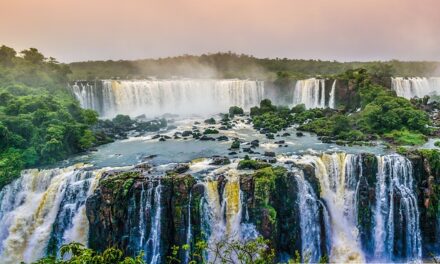
Iguazú Falls is one of South America’s major natural attractions. Argentina’s official tourism authority highlights its extensive network of waterfalls, trails and viewpoints within Iguazú National Park.
Salta and Northwest Argentina
The northwest provides a very different landscape, with colorful mountains, high-altitude valleys, vineyards, indigenous cultural influences and dramatic desert scenery.
Current tourism information from Argentina’s official tourism organization highlights Salta’s wine routes, high-altitude landscapes, cultural traditions and the Train to the Clouds.
Travel Style
- Adventure
- Nature
- Food and wine
- Culture
- Road trips
- Long-haul exploration
Because Argentina is so large, trying to see the entire country in one short trip can result in a rushed itinerary. Choosing one or two regions is often more practical.
8. Rwanda: Wildlife, Nature and Responsible Tourism
Rwanda is particularly well known for mountain gorilla trekking, but the country’s appeal extends beyond gorillas.
Travelers can combine wildlife experiences with Kigali, forest landscapes, lakes, cultural experiences and other outdoor activities.
Gorilla Trekking
Gorilla trekking in Volcanoes National Park is a highly regulated wildlife experience. Visitors should plan well in advance and follow all park and wildlife guidelines.
The experience is not simply a sightseeing activity. Responsible wildlife tourism requires following distance rules, group instructions and conservation guidelines designed to protect both visitors and animals.
Kigali
Kigali provides an urban introduction to Rwanda, with restaurants, art, museums, markets and cultural experiences.
Travel Style
- Wildlife
- Nature
- Adventure
- Responsible tourism
- Luxury eco-lodges
- Cultural travel
9. Nepal: Adventure, Culture and Mountain Landscapes
Nepal remains one of the world’s most distinctive destinations for trekking, mountaineering, cultural travel and mountain experiences.
The Himalayas are the country’s defining attraction, but travelers can also explore historic cities, religious sites, wildlife areas, rural communities and diverse cultural traditions.
Trekking
Popular trekking regions include Everest, Annapurna and Langtang, while destinations such as Manaslu and Dolpo provide alternatives for travelers looking for different trekking environments.
The Nepal Tourism Board notes that trekking routes range from relatively accessible journeys to demanding high-altitude adventures, with permits and protected-area requirements varying by destination.
Culture and Heritage
Kathmandu Valley provides access to historic cities, temples, monasteries and UNESCO-recognized cultural heritage.
Adventure Travel
Nepal also offers rafting, paragliding, mountain biking, canyoning, jungle activities and mountaineering.
Travel Style
- Trekking
- Mountaineering
- Adventure
- Culture
- Spiritual travel
- Wildlife
- Wellness
Travelers planning trekking or mountaineering should check current permit requirements, route conditions, weather and local regulations before departure.
10. Micro-Adventures for Shorter Trips
Not every traveler can take a three-week holiday.
Micro-adventures focus on short but meaningful experiences that can fit into a weekend or a few available days.
Examples
- Overnight hiking trips
- Weekend cycling routes
- Short kayaking journeys
- Regional food trips
- Two- or three-day cultural escapes
- Wildlife weekends
- Short coastal road trips
The concept can also be incorporated into longer international trips. Instead of spending every day traveling between major cities, add one or two short local experiences around the main itinerary.
11. Bleisure and Work-Friendly Travel
The boundary between business travel and leisure continues to evolve.
Some travelers extend business trips by several days, while remote workers may stay longer in destinations where accommodation, connectivity and lifestyle make longer stays practical.
Destinations with established coworking communities or digital-nomad programs can be particularly interesting for this style of travel.
What to Look For
- Reliable internet
- Suitable accommodation for longer stays
- Accessible coworking facilities
- Good transportation
- Long-stay visa options where applicable
- Reasonable access to everyday services
- A comfortable environment outside working hours
Visa and tax rules can be complicated for remote workers. A destination’s popularity among digital nomads does not automatically mean that every traveler can legally work there. Always check the applicable immigration and tax rules.
12. AI Is Changing Travel Planning
Artificial intelligence is becoming another tool in the travel planning process.
Travelers can use AI-based tools to brainstorm destinations, organize itinerary ideas, summarize information, translate text and identify potential activities.
However, AI should be treated as a planning assistant rather than the final authority for time-sensitive travel information.
Always Verify These Details
- Visa requirements
- Entry requirements
- Flight schedules
- Train schedules
- Opening hours
- Park closures
- Permit requirements
- Weather warnings
- Travel restrictions
- Local regulations
Official government, immigration, tourism authority, airline, airport and attraction websites should be used to verify information that can change.
13. Shoulder-Season Travel Can Be a Smart Alternative
Peak season is not automatically the best season for every traveler.
Shoulder seasons can sometimes offer a balance between favorable weather, lower visitor numbers and better availability.
However, the definition of shoulder season varies by destination.
For example, the best time for a mountain trek may be completely different from the best time for a beach holiday or wildlife experience.
Before Choosing Your Travel Dates
- Check seasonal weather patterns.
- Check local festivals and public holidays.
- Check high and low tourism periods.
- Check seasonal transportation.
- Check whether attractions operate year-round.
- Check regional differences within the same country.
14. Food Is Becoming a Destination in Its Own Right
Food can be one of the strongest reasons to visit a destination.
Travelers increasingly build trips around regional cuisine, markets, restaurants, cooking classes, vineyards, breweries, farms and food festivals.
Food-focused travel can also encourage visitors to explore smaller communities rather than concentrating entirely on famous landmarks.
Ways to Experience Local Food
- Visit local markets.
- Take a cooking class.
- Eat regional specialties.
- Visit farms or producers where visitor programs are available.
- Explore local food neighborhoods.
- Try traditional dishes outside major tourist areas.
When traveling, dietary requirements should be communicated clearly, particularly when ingredients, food labeling or language may create challenges.
15. Wellness Travel Goes Beyond Luxury Resorts
Wellness travel is not limited to expensive spa resorts.
A wellness-focused trip can include hiking, yoga, meditation, hot springs, nature stays, healthy food, cycling, cultural retreats or simply spending time away from a highly connected daily routine.
Mountain regions, islands, forests, rural communities and destinations with established wellness traditions can all appeal to this type of traveler.
Wellness Travel Can Include
- Yoga and meditation retreats
- Nature walks
- Thermal baths and hot springs
- Fitness-focused holidays
- Healthy cooking experiences
- Mindfulness retreats
- Digital-detox stays
How to Choose a Destination in 2026
Instead of asking only “Where is everyone traveling?”, consider what kind of experience you actually want.
For Adventure
Consider destinations with trekking, mountains, wildlife, diving, kayaking, cycling or other outdoor activities.
For Culture
Look for historic cities, living cultural traditions, museums, festivals, food and locally guided experiences.
For Nature
National parks, forests, mountains, islands and protected landscapes can provide opportunities to spend more time outdoors.
For Slow Travel
Choose regions where you can comfortably spend several days without constantly changing locations.
For Remote Work
Consider connectivity, accommodation, coworking options, transportation and the legal requirements for working while abroad.
For Families
Look at transportation, healthcare access, accommodation, activity suitability and travel times rather than choosing a destination based only on its popularity.
How to Plan a More Flexible Trip
One of the biggest advantages of modern travel planning is the amount of information available before departure. But having too much information can also lead to overplanning.
A flexible itinerary can leave space for weather changes, local recommendations, unexpected discoveries and rest.
A Practical Planning Structure
- Choose the main destination: Decide what experience you want.
- Select the travel season: Check weather and local conditions.
- Research entry requirements: Verify current requirements based on your nationality.
- Choose the main regions: Avoid trying to cover too much territory.
- Book essential transport: Secure flights, trains or other services where advance booking is necessary.
- Reserve limited-capacity experiences: Popular permits, tours and wildlife encounters may require advance planning.
- Leave some flexibility: Avoid filling every hour of every day.
- Check again before departure: Reconfirm important travel information.
Travel Restrictions and Changing Entry Rules
International travel requirements can change. Visa rules, health requirements, border procedures, permits and local restrictions may differ by nationality and can change without much notice.
This is particularly important when planning travel to destinations with restricted areas, protected environments, special permits or complicated entry procedures.
Before booking a non-refundable trip, travelers should verify requirements through the relevant embassy, immigration authority, government travel information and destination authorities.
Do not rely solely on an old blog post, social media post or search-engine snippet for immigration information.
How Many Destinations Should You Visit on One Trip?
There is no universal answer.
For a short trip, one destination or region may be enough. For a longer holiday, two or three regions can work well if transportation between them is practical.
A common mistake is confusing the size of a country with the amount of territory that can realistically be explored.
Countries such as Argentina, Australia, Canada, Brazil and the United States can require significant travel time between major destinations. An ambitious itinerary may look attractive on paper but leave little time to actually experience the places included.
Build your itinerary around time available, transportation and travel style, not simply the number of places you can add to a map.
Responsible Travel: Simple Principles to Follow
Responsible travel does not require perfection. Small decisions can make a meaningful difference.
- Respect local customs and traditions.
- Follow rules in national parks and protected areas.
- Keep wildlife at a respectful distance.
- Do not feed wild animals unless explicitly permitted as part of a regulated program.
- Use local guides where appropriate.
- Support locally owned businesses.
- Reduce unnecessary waste.
- Respect religious and cultural sites.
- Ask permission before photographing people when appropriate.
- Follow local environmental regulations.
Responsible travel is ultimately about recognizing that destinations are homes for communities, not simply products for visitors.
Travel Technology You Can Use Before and During a Trip
Technology can make travel easier, but it should support rather than replace good planning.
Useful Digital Tools
- Maps and navigation apps
- Translation tools
- Digital boarding passes
- Offline maps
- Travel itinerary managers
- Weather applications
- Currency converters
- Accommodation and transportation apps
- Digital travel documents
- AI travel-planning tools
Keep important documents available offline where possible. A phone with no internet connection should not leave you without access to essential reservation details or identification documents.
Travel Trends to Watch Beyond 2026
Some of the changes happening now are likely to continue influencing travel over the coming years.
More Personalized Trips
Travel planning is becoming increasingly personalized, with technology helping travelers create itineraries around individual interests rather than generic packages.
Greater Focus on Regional Destinations
Travelers may increasingly explore secondary cities and regions as popular destinations deal with crowding and visitor-management challenges.
More Responsible Wildlife Tourism
Travelers are becoming more aware of animal welfare and conservation issues, increasing the importance of choosing responsible wildlife experiences.
Climate-Aware Travel Planning
Weather conditions, heat, wildfires, storms and other environmental factors can increasingly influence where and when people travel.
Continued Growth of Digital Travel Tools
AI and other digital services will likely become more integrated into search, planning, translation, booking and destination discovery.
Frequently Asked Questions
What are the biggest travel trends in 2026?
Important themes include experiential travel, slow travel, sustainability, less crowded destinations, wellness, adventure, digital travel tools and flexible work-and-leisure trips.
What destinations are worth considering in 2026?
There is no single list that suits every traveler. Japan, Portugal, Argentina, Rwanda and Nepal are examples of destinations offering very different combinations of culture, nature, adventure, food and outdoor experiences.
Is sustainable travel more expensive?
Not necessarily. Some sustainable choices can cost more, but many responsible travel practices—such as using public transportation, staying longer in one place, supporting local businesses and reducing waste—do not necessarily require a larger budget.
What is slow travel?
Slow travel means spending more time in fewer places and focusing on deeper experiences rather than trying to visit as many destinations as possible.
What is a micro-adventure?
A micro-adventure is a short outdoor or travel experience that can fit into a weekend or a few days, such as hiking, cycling, kayaking, camping or exploring a nearby cultural destination.
Is AI useful for planning travel?
Yes. AI can help with brainstorming, itinerary ideas, research and organization. However, important information such as visa requirements, border rules, schedules, closures and permits should always be verified through current official sources.
How can I avoid tourist crowds?
Consider shoulder-season travel, visiting attractions early, staying outside the busiest tourist centers, exploring secondary destinations and allowing enough time to discover less-visited areas.
Should I plan every day of my trip?
Not necessarily. It is usually useful to book important transportation and limited-capacity experiences in advance while leaving some time for flexibility.
How can I make my trip more responsible?
Support local businesses, respect communities and cultural sites, follow environmental rules, avoid harmful wildlife interactions and choose transportation and accommodation options thoughtfully.
Final Thoughts
Travel in 2026 is not defined by one destination or one trend.
For some travelers, the perfect journey may be a long-distance trek through the mountains. For others, it may be a week exploring regional food and historic towns, a wildlife experience, a slow island stay, a cultural festival or a short weekend adventure.
The most interesting shift is that travelers increasingly have more ways to define what a meaningful trip looks like.
Instead of choosing a destination simply because it is popular, think about the experience you want to have. Consider the season, travel time, local culture, environmental conditions, entry requirements and the amount of time you can realistically spend there.
Whether you choose the quieter regions of Japan, the landscapes of Argentina, the islands of Portugal, the wildlife of Rwanda, the mountains of Nepal or somewhere completely different, thoughtful planning can turn a standard holiday into a much more rewarding journey.
The best trip is not necessarily the one with the most destinations. It is the one that fits your interests, time, budget and way of traveling.











Subscribe To Our Newsletter
Join our mailing list to receive the latest news and updates from our team.
You have Successfully Subscribed!