
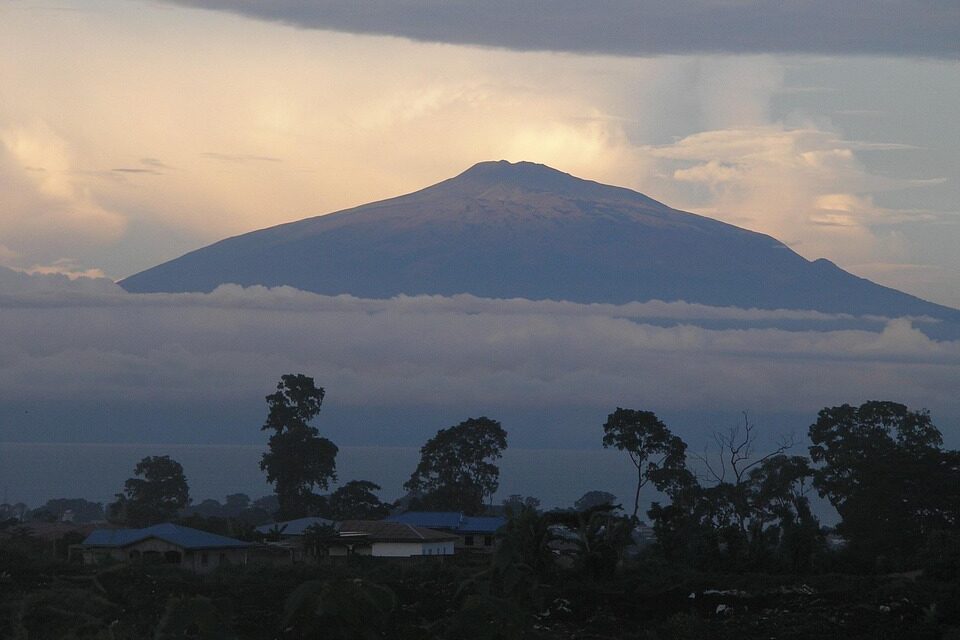
Nestled snugly on the west coast of Central Africa, bordered by Cameroon and Gabon, Equatorial Guinea is a country many travellers overlook. While it may not hold the same level of global recognition as some other African destinations, Equatorial Guinea rewards curious explorers with an array of untouched beaches, fascinating wildlife, vibrant culture, and hidden history. If you’re yearning for a unique travel experience unspoiled by mass tourism, consider this hidden gem your ultimate escape.
In this guide, we’ll uncover Equatorial Guinea’s best-kept secrets, diving deep into its pristine beaches, captivating wildlife, rich culture, and practical travel advice. By the end, you’ll realise why this small nation holds an outsized allure for intrepid travellers.
🏝️ Stunning Beaches: Equatorial Guinea’s Coastal Treasures
When you think of “tropical paradise,” it’s easy to conjure images of famous beaches like the Maldives or Seychelles. But Equatorial Guinea’s coastline and islands rival these popular destinations without being overrun by tourists. Here are some must-visit beaches:
1. Arena Blanca (White Sand Beach): A Tranquil Escape
Located on the island of Bioko, Arena Blanca is a striking stretch of sand framed by lush, green rainforest. The beach is aptly named after its soft, powdery white sands and crystal-clear waters. Even more captivating is the natural spectacle that occurs during the dry season (November to March), when thousands of butterflies flutter through the surrounding greenery.
This beach is ideal for visitors seeking solitude or romantic sunsets. You can stroll along the shore, take a refreshing dip in the ocean, or simply lounge under a shady palm tree. Don’t forget to explore the lively nearby fishing villages for authentic local food.
Pro tip: Arrive early in the day to experience the serenity of the coast before small crowds begin to gather.
2. Bata Beach: Untouched Serenity
On the mainland, Bata Beach provides the perfect setting for travellers seeking unadulterated tranquillity. This pristine coastline is sparsely populated, leaving room for endless ocean views and uninterrupted relaxation. The vibrant golden sands and soft sea breeze make Bata Beach a favourite spot for locals and tourists alike. It’s also the perfect location for shell collecting and leisurely exploration.
If you’re lucky, you might spot fishermen hauling in the daily catch—a rustic, authentic experience.
3. Isla de Corisco (Corisco Island): A Hidden Gem
Corisco Island, also known as “Isle of Lightning,” is a remote island off the mainland coast. With its turquoise waters, idyllic beaches, and laidback island vibe, Isla de Corisco is the ideal destination for eco-tourists. It offers an experience far from the confines of urbanisation, where nature reigns supreme.
To reach Corisco, you’ll require a short boat ride, but trust us—the journey is worth it. The island’s clear lagoons and vibrant marine life are a snorkeller’s dream.
🐒 Wildlife Wonders: Equatorial Guinea’s Biodiverse Treasure
Beyond its beaches, Equatorial Guinea boasts an extraordinary array of wildlife. From dense rainforests to volcanic landscapes, this African country is teeming with biodiversity. Bioko Island alone is home to rare primates and one of the highest concentrations of endemic species in the world.
1. Bioko Biodiversity: Meet the Endangered Drills
Bioko Island serves as a sanctuary for endangered species, particularly drills, one of the world’s most threatened primates. Frequently spotted in the island’s tropical rainforests, these inquisitive creatures are a highlight for wildlife enthusiasts and photographers.
Several reserves, such as the Moka Wildlife Centre, focus on preserving the environment and protecting vulnerable species. A guided tour will give you the chance to learn about local conservation efforts and appreciate the ecological treasures of the area.
2. Monte Alén National Park: A Wildlife Paradise
A visit to Monte Alén National Park, located on the mainland, is a must for nature lovers. Spanning over 1,400 square kilometres, this park is a haven for elephants, gorillas, leopards, and pangolins, among countless other species. Though the trails can be challenging, trekking through this dense rainforest offers an unparalleled adventure.
The serene Lake Biao is an excellent stop within the park, providing opportunities to spot colourful birds and enjoy peaceful surroundings.
Traveller tip: Hiring a knowledgeable local guide is essential. They’ll help you find the best viewing spots, ensuring a safe and memorable experience.
3. Sea Turtles on the Beaches of Ureka
If witnessing wildlife in its natural habitat excites you, plan a trip to Ureka Beach, one of the few places in the world where you can see sea turtles nesting in the wild. Between November and February, sea turtles crawl ashore to lay their eggs, an awe-inspiring display of nature at work.
Ureka is also known as one of the rainiest inhabited places on Earth, so pack wisely and prepare for weather fluctuations.
🌍 The Culture and Heritage of Equatorial Guinea
Equatorial Guinea’s culture is a unique blend of African traditions with Spanish and Portuguese influences—a remnant of its colonial past. From ceremonial dances to flavour-packed cuisine, this country radiates authenticity and soul.
1. Fang Traditions and Rituals
The Fang people, Equatorial Guinea’s largest ethnic group, are known for their rich oral traditions, which include storytelling, music, and dance. Fang music is characterised by rhythmic drumming, accompanied by chants that often recount historical events or legends.
Visitors have the chance to witness cultural festivals or ceremonies, especially during holidays such as Independence Day (October 12). These events reflect the country’s resilient spirit and deep-rooted traditions.
2. Alluring Architecture in Malabo
Equatorial Guinea’s capital, Malabo, blends colonial-era architecture with modern developments. Walking through the city, you’ll notice buildings with ornate European designs, a stark contrast to the surrounding natural beauty. Don’t miss landmarks like the Cathedral of Santa Isabel, a stunning neo-Gothic masterpiece known for its twin spires.
3. Cuisine: A Fusion of Flavours
Food lovers are in for a treat in Equatorial Guinea. The cuisine blends African staples with Spanish flair, resulting in dishes like succulent seafood stews, arroz con coco (coconut rice), and cassava-based delicacies. Street food stalls bustling with energy offer a truly immersive experience, with dishes like smoked fish or grilled plantains tantalising your taste buds.
🌿 Eco-Tourism in Equatorial Guinea: Preservation Meets Exploration
Equatorial Guinea’s focus on conservation is commendable. One way travellers can immerse themselves in sustainable tourism is by partnering with reputable tour operators, such as Nihosi Travels & Tours (www.nihositravels.com). These operators provide eco-friendly tours, supporting local communities and minimising environmental impact.
Whether it’s embarking on a guided rainforest trek, island-hopping, or snorkelling along coral reefs, sustainable tourism ensures future travellers can also bask in the unspoiled beauty of Equatorial Guinea.
📋 Plan Your Visit to Equatorial Guinea: Essential Travel Tips
1. When to Go
The best time to visit Equatorial Guinea is during the dry season, which runs from December to February. This period offers relatively clear weather, perfect for outdoor activities, from beach relaxation to wildlife explorations.
2. Travel Requirements
To enter Equatorial Guinea, most travellers will need a visa. Ensure your passport is valid for at least six months, and check the latest travel advisories and health requirements beforehand, such as vaccinations for yellow fever.
3. Getting Around
The country’s infrastructure is improving, but travel can still be challenging. Domestic flights are available between Bioko Island and the mainland.
Alternate options: Opt for pre-arranged private transport or hire a guide to help navigate local roads and trails.
💬 Frequently Asked Questions (FAQs) About Equatorial Guinea
-
Is Equatorial Guinea safe for travellers?
- Yes, although basic precautions are advised. Stick to trusted tour operators like Nihosi Travels & Tours for a worry-free experience.
-
What currency is used in Equatorial Guinea?
- The Central African CFA franc is the official currency.
-
Do locals speak English?
- Spanish is the official language. Basic knowledge of Spanish or French will help.
-
What’s the main attraction in Equatorial Guinea?
- Pristine beaches, lush rainforests, and wildlife sanctuaries top the list.
Equatorial Guinea may not yet be at the forefront of travellers’ minds, but its sublime beaches, diverse wildlife, and welcoming culture are waiting to be discovered. Plan your visit soon and uncover the secrets of this unspoiled paradise.










Subscribe To Our Newsletter
Join our mailing list to receive the latest news and updates from our team.
You have Successfully Subscribed!