
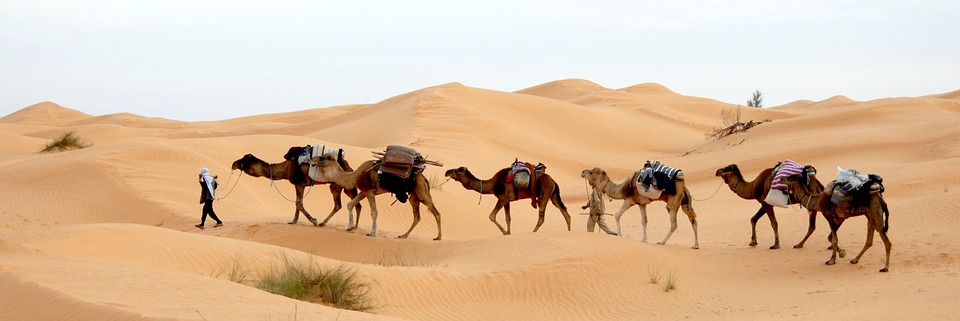
Welcome to Tunisia, a small yet profoundly diverse gem nestled in North Africa, where the ancient and modern worlds collide in a fascinating tapestry of culture, history, and natural beauty. Known for its mesmerising blend of archaeological wonders, sun-drenched Mediterranean beaches, and awe-inspiring oases, Tunisia truly captures the imagination of all who visit. Whether you’re a history aficionado, a leisure seeker, or an adventurer yearning for untouched landscapes, Tunisia has something magical in store for everyone.
If you’ve never had Tunisia on your bucket list, it’s time to rethink your travel plans. Read on as we take you on a journey across Tunisia’s hidden gems—ancient ruins steeped in mythology, dazzling white-sand coasts, and the lush serenity of its desert oases. With expert tips and practical advice, this guide will help you plan your Tunisian escapade with ease.
Tunisia’s Timeless Ancient Ruins
Uncovering Carthage: Legend of a Lost Empire
Once Rome’s greatest rival, the ancient city of Carthage is the crown jewel of Tunisia’s archaeological treasures. Situated in close proximity to the capital, Tunis, the ruins of Carthage offer an evocative look into the once-thriving Phoenician civilisation that dates back to 814 B.C. Wander amidst ancient amphitheatres, Roman villas, and the imposing Antonine Baths while imagining what life might have been like during Carthage’s golden age.
Top tips for Carthage:
- Visit early in the morning to enjoy its tranquillity before crowds arrive.
- Pair your visit to Carthage with the nearby National Museum of Bardo, which houses Tunisia’s finest collection of mosaics and artefacts from across the country.
El Djem: The Colosseum of North Africa
Move over, Rome—Tunisia’s El Djem Amphitheatre, a UNESCO World Heritage site, is arguably one of the best-preserved Roman ruins in the world. Designed to host over 35,000 spectators, this architectural marvel stands as a testament to Roman engineering excellence. Walking through its arched corridors and gazing upon the large oval arena will transport you back to a time of gladiatorial combat and grand spectacles.
Insider tip: Visit during late afternoon hours to witness the golden hues of the setting sun illuminating the amphitheatre for a picture-perfect moment.
Dougga: Tunisia’s Open-Air Museum
Regarded as the best-preserved Roman town in North Africa, Dougga is a must-visit for history enthusiasts. Perched on a hill with panoramic views of rolling wheat fields, this sprawling archaeological site features theatres, temples, and luxurious Roman baths. The highlight? The Capitol, dedicated to Jupiter, Juno, and Minerva—a stunning testament to Roman architecture.
Pro traveller’s advice: Hire a certified guide to make the most of your visit. Their stories and insights will bring Dougga to life, adding depth to the ruins you see.
Dreamy Beaches Along the Mediterranean Coast
Tunisia’s coastline stretches over 1,300 kilometres, complete with sparkling turquoise waters, soft sands, and sun-kissed resorts. Perfect for couples, families, and solo travellers, the beaches of Tunisia feel like a calming retreat to paradise.
Hammamet: The Jewel of the North
From chic resorts to quiet corners lined with palm trees, Hammamet has long been a favourite among Europeans seeking seaside bliss. Hammamet is known as Tunisia’s premier resort destination, but its old medina, encased by sandstone walls, adds an element of charm and culture to its luxurious waterfront.
Things to do in Hammamet:
- Indulge in water sports like jet-skiing or paddleboarding.
- Take a leisurely stroll through Hammamet’s bustling souks (markets) to shop for handmade carpets, ceramics, and silver jewellery.
Djerba: Island Paradise
Looking for an island escape? Tunisia’s southern gem, Djerba, is a Mediterranean paradise where sandy beaches meet authentic Tunisian culture. Known for its idyllic coastlines, quaint whitewashed villages, and vibrant markets, Djerba is perfect for those looking for both peaceful relaxation and engaging exploration.
Don’t miss: The colourful Houmt Souk market, where you can taste local dates, olives, and honeyed pastries while picking up unique souvenirs.
Monastir and Sousse: Sun and History Combined
Sousse and Monastir are home to beautiful beaches that share a strong historical identity. Sousse’s ancient medina is a UNESCO Heritage site, complete with kasbahs, mosques, and charming labyrinthine streets. Monastir, on the other hand, boasts kind-hearted hospitality and cinematic fortresses, such as the imposing Ribat of Monastir, known for being a filming location for classic films.
Beach suggestions: Both cities host lush beach resorts that cater to every traveller’s desires, from relaxation to adventurous activities.
Untouched Oases: Hidden Gems in the Tunisian Desert
Tunisia’s southern regions hold another treasure trove—the majestic Sahara Desert, where untouched oases provide a surreal landscape of lush vegetation interwoven with golden dunes. These magical locations are a must for adventurers and lovers of the outdoors.
Tozeur: Gateway to the Sahara
The palm-filled oasis town of Tozeur is arguably one of Tunisia’s most magical destinations. Known for its vast date palm groves and intricate brick architecture, Tozeur feels like a scene straight from a storybook. Explore the enchanting Medina of Tozeur, or set off on a camel trek into the desert for a true Sahara adventure.
Unique experience: Embark on a journey through Chott El Jerid, a salt lake known for its surreal, mirage-inducing landscapes.
Chebika, Tamerza, and Mides: Tunisia’s Mountain Oases
Tunisia’s hidden treasures come to life in the dramatic mountain oases of Chebika, Tamerza, and Mides. Located near the Algerian border, these remote havens offer cascading waterfalls, natural springs, and picturesque sandstone cliffs. For film buffs, Mides might look familiar—it was used as a backdrop in the movie The English Patient.
Pro tip: These oases are best explored during spring or autumn when temperatures are milder and more comfortable for hiking.
Tunisia Is an Affordable Adventure
Travelling to Tunisia is remarkably budget-friendly compared to other Mediterranean countries. From affordable dining at local cafes to pocket-friendly stays in boutique riads and seaside resorts, Tunisia provides outstanding value.
Average daily costs:
- Accommodation: £30–£100, depending on luxury level.
- Local food (street eats or casual dining): £5–£15 per meal.
- Guided tours (including transport): £50–£80 per day.
For those seeking professional planning assistance, Nihosi Travels & Tours offers tailored packages that encompass everything from guided tours to airport pick-ups, ensuring a seamless travel experience from start to finish.
FAQs About Travelling to Tunisia
We’ve curated some of the most common questions about Tunisia for you:
What is the best time to visit Tunisia?
The best time to visit Tunisia is either spring (March–May) or autumn (September–November), when the weather is perfect for exploration and beach relaxation.
Is Tunisia safe for tourists?
Yes, Tunisia is generally safe for tourists, especially in well-visited areas like Tunis, Hammamet, and Djerba. As with any destination, practising basic travel safety is recommended.
How can I travel within Tunisia?
Tunisia offers a variety of affordable transport options, including taxis, buses, and the TGM (suburban train) near Tunis. Car rentals are also a popular choice for flexibility.
Do I need a visa for Tunisia?
Visitors from countries like the UK, EU, and the USA do not require a visa for stays of up to 90 days. Check Tunisia’s consulate website for updates.
Ready to experience the magic of Tunisia firsthand? Whether you’re contemplating a relaxing beach escape, a journey through ancient civilisations, or desert explorations, Tunisia beckons with all its charm and splendour. With affordable travel options, friendly locals, and unforgettable landscapes, it’s time to pack your bags and discover everything this enchanting country has to offer!









Subscribe To Our Newsletter
Join our mailing list to receive the latest news and updates from our team.
You have Successfully Subscribed!