
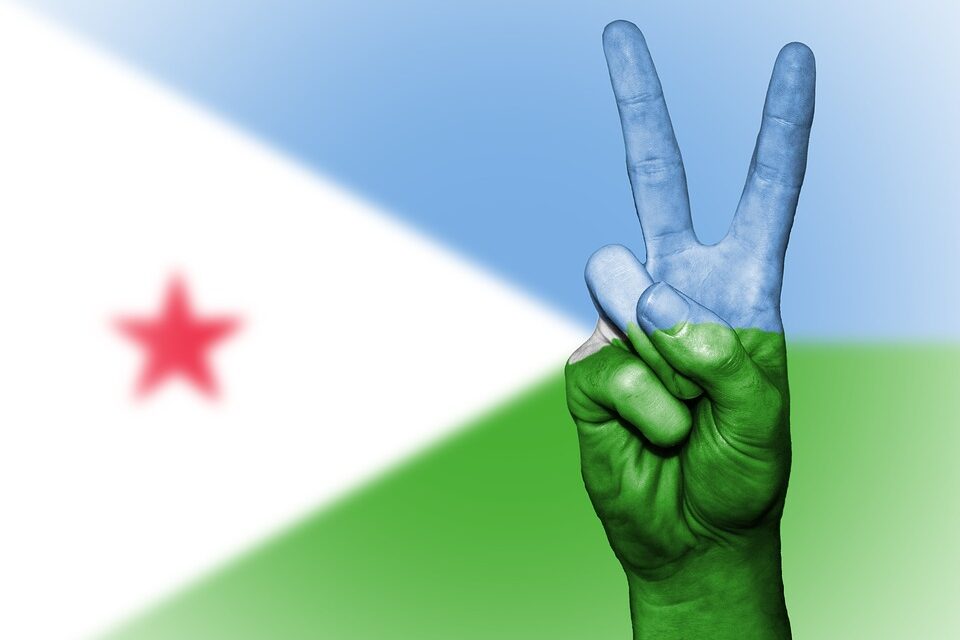
When it comes to travel destinations that exude uniqueness and untamed beauty, Djibouti stands unparalleled. Nestled in the Horn of Africa, this small yet captivating country blends vivid landscapes, turquoise waters, and an enthralling mix of cultures. While Djibouti isn’t the first name that comes to mind when planning an African adventure, this stunning country hides treasures waiting for you to uncover.
Welcome to Djibouti — a land where expansive salt lakes, volcanic terrains, underwater wonders, and warm cultural experiences make for unforgettable memories. Whether you’re searching for adventure, serenity, or immersive cultural immersion, Djibouti caters to all desires.
In this guide, we’ll untangle the secrets of this hidden gem and take you on a journey to explore the lesser-known treasures that make Djibouti a must-visit destination.
1. Unveiling Djibouti’s Breathtaking Landscapes
Lake Assal: A Salt Wonder of the Earth
Nestled approximately 155 metres below sea level, Lake Assal is not just a visual marvel but one of Djibouti’s most extraordinary phenomena. Known as Africa’s lowest point and the saltiest lake outside Antarctica and the Arctic, this majestic body of bright turquoise water is surrounded by white crusts of sparkling salt.
Visiting Lake Assal feels akin to stepping onto an alien planet—with its unique backdrop of volcanic black rocks and steaming geysers. While here, you can take a therapeutic dip and float effortlessly in its mineral-rich waters. Don’t forget to grab some salt crystals as a souvenir of this natural wonder.
Pro Tip: Visit Lake Assal during the early morning or late afternoon to avoid the scorching midday heat.
The Martian Landscape of Ardoukoba Volcano
Djibouti is a volcanic hub, and a hike to Ardoukoba Volcano showcases its fiery past. Located near the Gulf of Tadjoura, Ardoukoba erupted in 1978, leaving behind a surreal, otherworldly landscape perfect for adventurous souls. The hike is manageable for those moderately fit and offers panoramic views of surrounding volcanic craters and the Red Sea.
If you’re a geo-enthusiast, keep an eye out for its ongoing geothermal activities that hint at nature’s raw power beneath this still-active system.
The Canyons of Day Forest National Park
Contrary to Djibouti’s predominantly arid reputation, Day Forest National Park introduces you to its greener side. Home to the reclusive Djibouti francolin (a rare bird species) and centuries-old juniper trees, this lush highland forest is ideal for hiking and birdwatching.
The park serves as a microcosm of Djibouti’s biodiversity and is a serene getaway from the country’s desert heat. As the cool mountain breezes sweep across you, don’t forget to scan for baboons, warthogs, and buzzing sunbirds.
2. Dive into Djibouti’s Underwater Paradise
Snorkelling and Diving in the Gulf of Tadjoura
If the terrestrial landscapes aren’t enough to quench your thirst for adventure, the Gulf of Tadjoura invites you to dive into its teeming underwater ecosystem. Often referred to as the “hidden treasure of the Red Sea,” this marine paradise is renowned for its vibrant coral reefs and azure-blue waters.
The Gulf is also one of the world’s best spots for swimming alongside docile whale sharks, especially from October to February. These gentle giants glide through Djibouti’s warm waters, offering a surreal experience of coexisting with the ocean’s largest fish.
Did You Know: Whale sharks are harmless filter feeders, making swimming alongside them a safe and humbling experience.
Underwater Canyons in the Seven Brothers Islands (Îles des Sept Frères)
Just off Djibouti’s coastline, the Seven Brothers Islands rank among the top diving sites in the world, thanks to their impressive underwater canyons, thriving coral walls, and incredible marine biodiversity. From spotting sea turtles to encountering moray eels and shoals of vividly coloured fish, underwater photographers and dive aficionados often describe this region as an aquatic paradise.
If you’re an advanced diver, the challenging currents here promise unforgettable thrills.
3. Cultural and Culinary Adventures Await
A Taste of Djibouti’s Cuisine
Djiboutian cuisine reflects the country’s unique position at the crossroads of Arabia, Africa, and Europe. The tantalising mix of French, Somali, and Yemeni influences offers visitors a sumptuous culinary journey.
- Skudahkharis: A fragrant rice dish similar to biryani, usually served with succulent lamb or chicken.
- Fah-fah: Goat meat stew enriched with spices and hearty vegetables.
- Laxoox (Flatbread): This spongy, pancake-style bread pairs beautifully with honey for breakfast or meat stews during meals.
- Coffee Culture: Djibouti’s coffee rituals are steeped in tradition. Don’t miss sipping a freshly brewed cup of spiced coffee while lounging in a bustling café.
Insider Tip: Visit the Central Market in Djibouti City for fresh local produce, vibrant spices, and street food that immerses you in authentic flavours.
Culture, Festivals, and Warm Hospitality
Djibouti’s culture is a celebration of its heritage and geographical diversity. Visiting during festivals like Eid al-Adha and the Djibouti Independence Day (June 27th) allows you to witness lively parades, traditional dances, and vibrant music.
Beyond the festivities, Djiboutians are known for their warmth, hospitality, and storytelling tradition. Sitting with locals and hearing their tales of the land is a cherished experience you won’t forget.
4. Off-The-Beaten-Path Gems
Lake Abbe: A Lunar Wonderland
Imagine steaming fumaroles, jagged limestone chimneys, and a salt-crusted landscape stretching as far as the eye can see—welcome to Lake Abbe, an ethereal, moon-like destination. Located along the Ethiopian border, this lake offers tranquillity to those seeking a secluded exploration.
The sunsets here are dreamlike, especially when soft hues of orange light up the white salt flats and surreal terrain. Keep an eye out for the flamingos frequently nesting along the lake’s edges.
Stay Local: Consider sleeping in Afar-style huts nearby to experience the local nomadic lifestyle.
Obock: Djibouti’s Coastal Haven
If you’re looking for a peaceful coastal retreat, Obock offers pristine beaches and quiet villages with minimal tourist influx. Explore its colonial landmarks, such as the historic French fort, or embark on sea excursions where dolphins and flying fish often make an appearance.
5. Practical Travel Tips for Djibouti
Planning a trip to Djibouti? Here’s everything you need to know for a smooth and enjoyable experience:
- Best Time to Visit: November to March offers comfortable weather conditions, ideal for outdoor and underwater activities. Summers can be scorching, with temperatures exceeding 40°C.
- Getting Around: While public transport options are limited, hiring 4×4 vehicles offers flexibility for exploring. Opt for guided tours when visiting remote areas like Lake Abbe or Ardoukoba Volcano.
- Language: French and Arabic are the official languages. Basic French phrases can help you communicate better.
- Local Currency & Budgeting: The official currency is the Djiboutian Franc (DJF). USD is widely accepted, but it’s advisable to carry smaller denominations and exchange at official outlets.
- Cultural Etiquette: Djibouti is a conservative country; dress modestly, particularly in rural areas.
6. Why Choose Nihosi Travels & Tours for Your Djibouti Adventure?
Planning your trip to Djibouti with ease and expertise is made possible through Nihosi Travels & Tours. Offering bespoke travel packages, expert guides fluent in local languages, and seamless itineraries, Nihosi ensures your journey through Djibouti is memorable on every level. From arranging guided hikes up Ardoukoba to securing permits to explore Lake Abbe, they curate every detail with care.
For hassle-free booking and tailored travel solutions, visit their website at Nihosi Travels.
FAQs About Travelling to Djibouti
Below is a list of commonly asked questions about visiting Djibouti:
Q1: Is Djibouti safe for tourists?
Yes, Djibouti is considered safe for travellers. However, as with any destination, stay vigilant while travelling in remote locations.
Q2: Do I need a visa to enter Djibouti?
Most nationalities require a visa. Check with your local embassy or opt for an e-visa before arrival.
Q3: What currency is used in Djibouti?
Djibouti Franc (DJF) is the local currency. ATMs are available in major cities, but cash is essential for rural adventures.
Q4: Can I swim with whale sharks in Djibouti year-round?
No. Whale shark season runs from October to February, making these months the best time to experience this adventure.
(Additional FAQs can be added here based on user intent.)
Conclusion
Djibouti is a land of contrasts and hidden treasures, far removed from the beaten paths of mainstream tourism. From its volcanic plains and aquatic wonders to its soulful culture and traditions, it’s a destination that promises both adventure and serenity. So pack your bags, prepare for awe-inspiring vistas, and let Djibouti’s untouched beauty redefine your sense of travel.
For the ultimate Djibouti experience, remember to book your next big adventure with Nihosi Travels & Tours. Let their dedicated team guide you through this exceptional journey.
Ready to uncover Djibouti’s hidden gems? Start planning today—you won’t regret it!







Subscribe To Our Newsletter
Join our mailing list to receive the latest news and updates from our team.
You have Successfully Subscribed!