
Unveiling Guinea-Bissau: A Guide to Its Hidden Islands and Vibrant Culture
Guinea-Bissau is one of West Africa’s smallest and most underrated countries, but don’t let its modest size fool you. Brimming with lush natural landscapes, unspoiled islands, rich traditions, and warm-hearted people, this gem remains one of the most authentic destinations in the world. For travellers searching for untouched serenity, an immersive cultural experience, or the perfect blend of history and adventure, Guinea-Bissau has it all.
In this comprehensive guide, we’ll explore the hidden islands of the Bijagós Archipelago, dive into the vibrant local culture, and share actionable tips to plan your Guinea-Bissau adventure. So, if you’ve ever asked, “Why should I visit Guinea-Bissau?”, read on to uncover its secrets.
Why Guinea-Bissau Deserves a Spot on Your Travel List
Often overshadowed by its larger neighbours like Senegal and Guinea, Guinea-Bissau is far from mainstream tourism noise. This country offers something unique: raw, uncommercialised beauty. At the heart of its appeal are its islands and culture. Whether you’re an adventure enthusiast, a cultural explorer, or simply someone longing to escape the hustle, Guinea-Bissau promises an unparalleled travel experience.
Key highlights include:
- The Bijagós Archipelago: Over 80 pristine islands brimming with biodiversity.
- Cultural Festivals: Experience the vibrant music, dance, and traditions rooted in centuries of history.
- Biodiversity: Watch sea turtles nest, spot rare birds, and explore mangroves.
- Warm Hospitality: Meet the friendly locals and learn about their way of life.
FAQs about Guinea-Bissau
-
Is Guinea-Bissau safe to travel?
Yes! While it’s always wise to stay informed, Guinea-Bissau is generally safe for tourists, with welcoming locals eager to share their culture. -
What’s the best time to visit?
November to April (the dry season) is the ideal time to visit. This is when you’ll experience favourable weather for exploring islands and navigating rural roads.
The Unspoiled Beauty of the Bijagós Islands
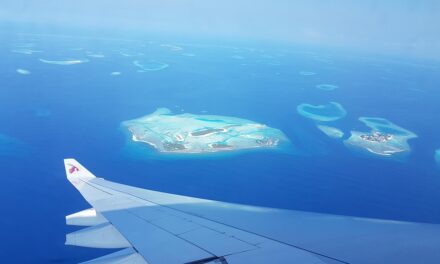
A trip to Guinea-Bissau wouldn’t be complete without venturing into the Bijagós Archipelago. Recognised as a UNESCO Biosphere Reserve, the Bijagós Islands are an unspoiled paradise, consisting of over 80 islands, only 20 of which are inhabited. For centuries, these islands have been preserved by the traditional belief systems of their communities, making it a truly fascinating destination.
Top Islands to Visit in the Bijagós Archipelago
1. Orango Island – The Jewel of the Archipelago
Orango Grande is the crown jewel of the Bijagós Archipelago. It’s home to the Orango Islands National Park, where you can encounter flora and fauna like no other. Rare species such as saltwater hippos roam its wilderness, and shallow mangroves provide a habitat for a variety of vibrant birds.
Must-do on Orango Island:
- Join a guided wildlife safari to spot the legendary saltwater hippos.
- Visit the local Bijagós villages to experience first-hand their traditional way of life.
- Participate in turtle conservation efforts through community programmes.
2. Rubane Island – Relaxation at Its Finest
If tranquillity is what you seek, Rubane Island will captivate you. Located just minutes from Bubaque (the main hub of the archipelago), this little slice of heaven is ideal for relaxing on its quiet beaches, indulging in fresh seafood, and disconnecting from the world. Only a few eco-friendly lodges dot the island, ensuring that your stay is undisturbed and peaceful.
Things to Do on Rubane Island:
- Lounge on pristine beaches with soft white sand.
- Dine on freshly caught seafood while gazing out at a magnificent sunset.
- Kayak through the calm waters to explore hidden coves.
3. Bubaque – The Archipelago’s Hub
Known as the gateway to the Bijagós Islands, Bubaque boasts a unique blend of energy and tranquillity. Upon arrival, you’ll find a small town with vibrant local markets and guesthouses. From there, venture into island hopping trips.
Best Activities in Bubaque:
- Stroll through Bubaque’s buzzing market to find handmade crafts.
- Visit the National Ethnographic Museum for a deep dive into the Bijagós culture.
- Rent a bicycle to explore every hidden corner of the island.
Exploring Guinea-Bissau’s Vibrant Culture
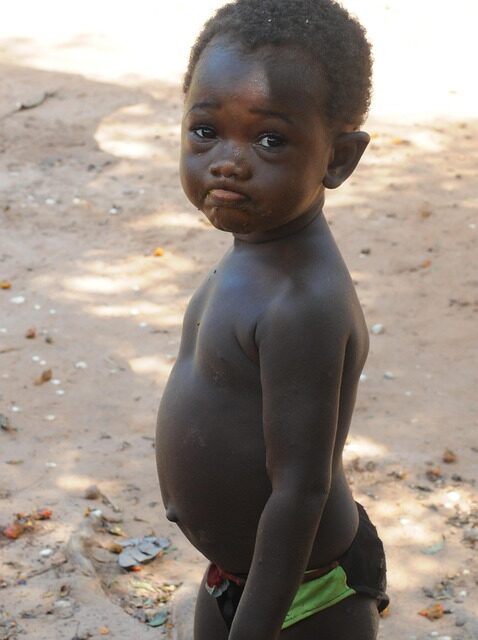
What truly sets Guinea-Bissau apart isn’t just its captivating islands but its diverse and vibrant culture. With over 20 ethnic groups calling the country home, each contributing their unique traditions, Guinea-Bissau is a melting pot of influences.
Music and Dance
Music is central to life in Guinea-Bissau. The country’s Afro-Beats take centre stage in moments of celebration. At festive events or during cultural rituals, you’ll encounter the traditional rhythm of the “gumbé”, a percussion-heavy style of music unique to the region.
Insider Tip: Time your visit during April to attend the Bijagós Carnival, a flamboyant festival filled with traditional dances, colourful costumes, and infectious energy!
Traditional Cuisine
Guinea-Bissau’s food is a reflection of its coastal and agricultural base. The dishes blend influences from Portuguese colonial times with African and local traditions. Key ingredients include fresh seafood, rice, tropical fruits, and cassava.
Must-Try Dishes:
- Jollof Rice: A popular West African rice dish infused with tomatoes, peppers, and spices.
- Caldo de Mancarra: A savoury peanut stew with vegetables and often served with fish or meat.
- Canja de Galinha: A comforting chicken and rice soup with a delicious garlic zing.
How to Plan Your Trip to Guinea-Bissau
If you’re ready to pack your bags and head to this unique destination, here are actionable tips for planning your trip:
1. Getting to Guinea-Bissau
The main entry point is Osvaldo Vieira International Airport, located in the capital city, Bissau. Flights to Bissau are limited, but connections are available via neighbouring countries such as Senegal and Portugal.
2. Navigating the Bijagós Islands
The Bijagós Archipelago is accessed by ferries or speedboats from the mainland. Though schedules can be irregular, planning through a local travel guide or agency ensures smooth transport. Nihosi Travels & Tours (www.nihositravels.com) is a great point of reference for organised trips and logistics.
3. Where to Stay
Accommodations in Guinea-Bissau range from simple guesthouses in urban centres to serene eco-lodges on Rubane or Orango islands. Look for lodging options that support local communities to make your trip sustainable.
Recommended options:
- Ponta Anchaca Lodge on Rubane Island for luxury seekers.
- Orango Parque Hotel on Orango Island for rustic eco-tourism.
4. Cultural Etiquette to Know
- Always greet locals with a smile and handshake; warmth and respect are essential parts of Guinea-Bissau’s hospitality.
- Ask for permission before taking pictures, especially in villages or during ceremonies.
FAQ: Your Questions About Guinea-Bissau Answered
Here’s a quick FAQ section to ensure you’re prepared for the experience.
-
Do I need a visa for Guinea-Bissau?
Yes, visas are typically required, but they can be obtained at major embassies or on arrival. -
What currency is used in Guinea-Bissau?
The currency is the West African CFA Franc (XOF). Carry cash, as ATMs are limited. -
Is Guinea-Bissau tourist-friendly for solo travellers?
Absolutely! While it’s less established in terms of tourism, the friendly locals and safe environment make it a great option for adventurous travellers.
A Final Word: Discover Guinea-Bissau with Nihosi.com
Guinea-Bissau is a rare jewel in the realm of global travel, offering visitors an escape into nature, culture, and serenity. Whether it’s the captivating allure of the Bijagós Islands, the vibrant pulse of traditional festivals, or the chance to experience life in its most authentic form, this is a destination worth exploring.
Ready to plan your journey? Visit Nihosi Travels (www.nihositravels.com) to make your dream trip a reality. Embrace the beauty, embrace the culture—and let Guinea-Bissau captivate your soul.
This article is proudly published on Nihosi.com to enlighten and connect adventurers to the breathtaking simplicity of Guinea-Bissau.










Subscribe To Our Newsletter
Join our mailing list to receive the latest news and updates from our team.
You have Successfully Subscribed!