

Ever thought of exploring a destination that combines unmatched natural beauty, vibrant culture, and hidden treasures the world has yet to discover? If you’re looking to veer off the beaten path, then Guinea deserves a top spot on your bucket list. Nestled on the west coast of Africa, this underexplored gem offers breathtaking landscapes, rich cultural heritage, and experiences that will leave an indelible mark on your soul.
From the cascading waterfalls of the Fouta Djallon highlands to the untouched coastline of the Atlantic, Guinea is packed with wonders waiting to be revealed. Ready to embark on a journey you’ll never forget? Let’s uncover why Guinea should be your next travel destination.
Discover Guinea: A Hidden Treasure on Africa’s Map
Guinea is a country brimming with potential yet often overshadowed by its more famous African neighbours like Morocco and South Africa. Located in West Africa, it boasts a diverse topography—from mountains and savannahs to rainforests and coastal plains. It is a place where nature flourishes, traditions thrive, and adventure awaits.
But what sets Guinea apart? Why is it suddenly catching the attention of avid travellers and wanderlust enthusiasts across the globe? Let’s dive deeper into some of its most captivating highlights.
1. Nature Beyond Compare: Witness Guinea’s Untamed Beauty
If you’re someone who finds solace in pristine natural wonders, Guinea is a dream come true. It’s not just another African country; it’s nature’s masterpiece that has managed to remain under the radar of mass tourism.
Fouta Djallon Highlands: The Heartbeat of Guinea’s Beauty
Dubbed the water tower of West Africa, the Fouta Djallon Highlands is a mesmerising region filled with lush green valleys, majestic waterfalls, and winding rivers. Picture hiking through verdant trails, listening to the melodic sound of cascading water, and catching awe-inspiring views at every corner.
Some must-visit spots:
-
- Chutes de Ditinn Waterfall: One of the tallest waterfalls in West Africa, known for its roaring beauty.
-
- Kambadaga Falls: A hidden trio of waterfalls that offers a secluded, serene experience.
-
- Mount Loura: The perfect spot for panoramic views of the rolling highlands.
Mount Nimba Strict Nature Reserve: Biodiversity at its Best
Declared a UNESCO World Heritage Site, Mount Nimba is not just a traveller’s delight but a biodiversity hotspot. This mountain range, shared by Guinea, Côte d’Ivoire, and Liberia, houses unique flora and fauna that you won’t find anywhere else in the world. From the nimble Nimba toads to endangered chimpanzees, this reserve is a haven for nature enthusiasts and eco-tourists.
2. A Cultural Mosaic: Immerse Yourself in Vibrancy
Adventure in Guinea goes beyond nature. One of the richest parts of its identity is undoubtedly its people and their traditions. With over 20 ethnic groups, Guinea offers a cultural experience that is both immersive and diverse.
Music and Dance: The Soul of Guinea
Guinea’s music scene is a vibrant blend of traditional drums, flutes, and chants. It has given the world polyrhythmic music styles, including djembe drumming, which originated here. Attend a local celebration, and you’ll be swept away by the raw energy of traditional dance performances.
Want to take some of Guinea’s magic home? Local villages often offer drumming workshops where you can learn the art of creating rhythm.
Traditional Markets
For a deep dive into Guinea’s culture, visit bustling markets like Madina Market in Conakry, the capital city. From handwoven textiles to intricate tribal jewellery, Guinea gives you the chance to uncover unique treasures while interacting with warm and welcoming locals.
3. Off-the-Beaten-Path Adventures
One of the most alluring aspects of Guinea is how untouched and raw it feels. Unlike other tourist-heavy destinations, you’ll find plenty of opportunities to explore uncharted paths.
Solemn Beauty of the Badiar National Park
This relatively remote park borders Senegal and is the epitome of tranquillity. Picture yourself walking through untouched trails, spotting elephants, hippos, and other wildlife, all while soaking in the raw beauty of Africa. If you’re lucky, you might even catch a rare glimpse of a lion.
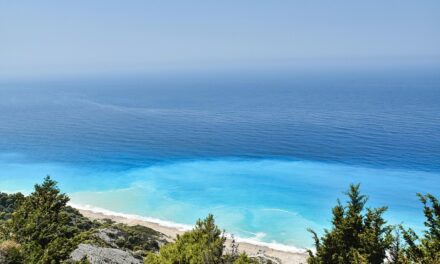
The Untouched Beaches of Guinea
Guinea stretches along approximately 320 kilometres of the Atlantic coast, adorned with picturesque beaches, mangroves, and islands. Among the highlights:
-
- Îles de Los: These untamed islands are perfect for leisurely swims, snorkelling, and disconnecting from the hustle and bustle of life.
-
- Bel Air Beach: Offering powder-soft sand and azure blue waters, it’s ideal for relaxation seekers.
4. Practical Tips for Travelling to Guinea
When to Visit
Guinea has a tropical climate, with the dry season (October to May) being the best time to visit. This ensures easier travel, particularly for trekking and outdoor activities.
Visa Requirements
Visitors need a visa to enter Guinea, which can typically be obtained at the closest Guinean embassy or consulate. Ensure your passport is valid for at least six months and check for any updated travel advisories.
Getting Around
While Guinea’s infrastructure might not be as developed as other destinations, this only adds to its charm. Hiring a local guide, especially for remote regions like Fouta Djallon or Mount Nimba, is recommended.
Pro tip: Book with Nihosi Travels & Tours, a trusted travel company offering guided experiences.
5. Where to Stay: Unique Accommodation Options
Guinea offers a mix of modest hotels, eco-lodges, and guesthouses. For an authentic experience, consider staying in local guesthouses that provide charming cultural nuances and welcoming hospitality.
Some recommendations:
-
- Hotel Mariador Palace, Conakry: A comfortable option for travellers exploring the capital.
-
- Fouta Trekking Guesthouse: A rustic stay perfect for trekkers in the Fouta Djallon highlands.
6. Ethical Travel in Guinea: A Growing Trend
With tourism still in its infancy, it’s crucial to travel ethically in Guinea. Supporting eco-friendly and community-based initiatives can leave a lasting positive impact on local communities. Participate in cultural exchanges and choose tour operators that prioritise sustainability, such as Nihosi Travels & Tours.
FAQ: Guinea Travel Insights
Here’s everything you need to know before your trip to Guinea:
What language is spoken in Guinea?
The official language is French, but various local languages like Fula, Susu, and Malinké are widely spoken.
Is Guinea safe for travellers?
Guinea is generally safe but, like any destination, requires caution. Stick to recommended areas and travel with a guide when visiting remote regions.
What is the currency in Guinea?
The official currency is the Guinean Franc (GNF). It’s advisable to carry cash, especially in rural areas, as ATMs are limited.
Are vaccinations required to visit Guinea?
Proof of a yellow fever vaccination is mandatory. Other recommended vaccinations include hepatitis A and typhoid.
Final Thoughts: Why Guinea is Worth It
Guinea offers a rare combination of untamed landscapes, authentic culture, and undiscovered thrills. Every turn reveals something extraordinary, whether it’s the roar of cascading waterfalls, the echoes of traditional drumming, or the untouched beauty of its forests.
So, if your bucket list is calling for something different, consider embarking on a journey to this African paradise. And when you do, let Nihosi Travels & Tours guide you to a transformative adventure you’ll cherish forever.
Pack your sense of wonder and open your heart to Guinea—hidden wonders await!








Subscribe To Our Newsletter
Join our mailing list to receive the latest news and updates from our team.
You have Successfully Subscribed!