
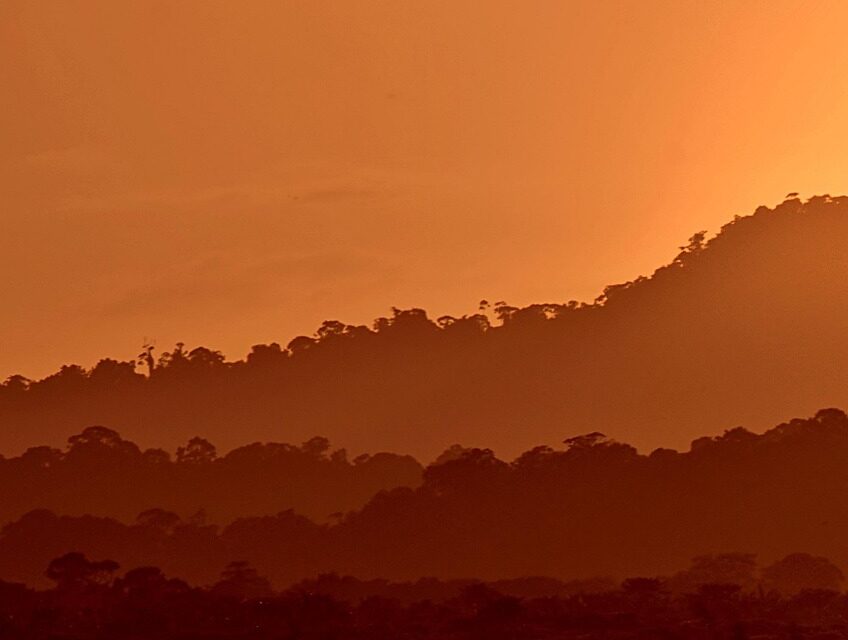
Exploring the Untamed Beauty of Guyana: Waterfalls, Rainforests, and Unique Wildlife
There’s something magical about stepping into a place untouched by time—a land where nature weaves vibrant stories of beauty, resilience, and breathtaking adventure. Welcome to Guyana, a South American gem that has remained relatively underexplored but holds unparalleled treasures. Known for its majestic waterfalls, sprawling rainforests, and diverse wildlife, Guyana is an unspoiled paradise awaiting discovery. From adventure seekers to nature enthusiasts, this destination offers a unique combination of serenity and thrill.
If you’ve ever dreamed of traversing lush jungles or watching untamed wildlife in their natural habitat, Guyana should be on your travel bucket list. Let’s take a deep dive into the wonders this country has to offer, with actionable insights to plan your next unforgettable experience.
Why Explore Guyana?
Located on the northeastern coast of South America, Guyana, meaning “Land of Water,” is still a hidden treasure. Sharing its borders with Brazil, Suriname, and Venezuela, the country boasts dense rainforests, mighty rivers, and cultural flavours shaped by its Caribbean and Indigenous roots. Despite its small size, the heart of Guyana beats strongly with biodiversity and pristine landscapes.
Top Reasons to Visit Guyana
- Unique Ecosystems: Over 80% of Guyana is covered by forests, making it a prime hotspot for eco-tourism.
- Majestic Waterfalls: From the world-renowned Kaieteur Falls to hidden cascading gems, every waterfall is a sight to behold.
- Rich Biodiversity: Home to rare wildlife such as jaguars, giant anteaters, harpy eagles, and river otters.
- Thrill of Adventure: Ideal for bird-watching, river rafting, trekking, and jungle expeditions.
- Cultural Fusion: A blend of Indigenous traditions, Afro-Guyanese, Indo-Guyanese, and European influences.
Let’s go beyond the surface and explore the three main pillars of Guyana’s untamed beauty: its waterfalls, rainforests, and exotic wildlife.
Kaieteur Falls and Beyond: Waterfalls That Amaze
The Iconic Kaieteur Falls
Imagine standing before a colossal waterfall five times the height of Niagara Falls. That’s Kaieteur Falls for you—the crown jewel in Guyana’s landscape. Dropping from an incredible 226 metres (741 feet), this waterfall is both stunning and remote, making it one of the world’s most spectacular sights. Nestled in the heart of Kaieteur National Park, it is fed by the Potaro River, surrounded by verdant forests teeming with wildlife.
What makes Kaieteur Falls so special is its untouched allure. Unlike other famous waterfalls around the world, no man-made structures encroach on its beauty. Here, it’s just you, nature, and the thunderous sound of cascading water.
How to Visit Kaieteur Falls
- Most travellers opt for a scenic charter flight from Georgetown, Guyana’s capital. The aerial view of the waterfall against the backdrop of emerald rainforest is utterly breathtaking.
- Alternatively, you can hike through the jungle—a journey that connects you to nature on an intimate level. However, this route is recommended for experienced trekkers.
Other Must-Visit Waterfalls
While Kaieteur steals the spotlight, Guyana is home to several other waterfalls worth exploring:
- Orinduik Falls: Cascading over rocks of jasper, Orinduik Falls offers a tranquil retreat in the Pakaraima Mountains. Visitors can enjoy a refreshing dip in its natural pools.
- Amatuk and Waratuk Falls: Lesser-known yet equally dazzling, these falls lie along the Potaro River and provide a serene, off-the-beaten-path experience.
- Kumarau Falls: A hidden gem located deep in the forest, rewarding adventurers with stunning views and solitude.
The Rainforest: Guyana’s Green Heart
Amazonian Vibes in the Iwokrama Rainforest
Stretching over 3,710 square kilometres, Iwokrama Rainforest is often called the “Green Heart” of Guyana. This pristine ecosystem is one of the last four intact rainforests on the planet, making it an ecological treasure trove. Protected as a reserve, this area is not only a refuge for biodiversity but also showcases sustainable livelihoods for Indigenous communities who rely on the forest for their way of life.
As you explore the rainforest, expect to encounter enormous green canopies, ancient trees, and a harmony of chirping birds and croaking frogs. Marvel at nature’s symphony while treading through shaded trails or gliding down winding rivers.
Must-Try Rainforest Activities
- Canopy Walkway: Climb up to the Iwokrama canopy walkway, surrounded by 30-metre-high trees. This vantage point is perfect for spotting colourful birds like toucans and scarlet macaws.
- Jungle Hiking: Immerse yourself in wilderness as you hike through trails accompanied by a guide who shares Indigenous knowledge about the flora and fauna.
- River Exploration: Kayak along the Essequibo River and discover secluded waterfalls, rare butterflies, and aquatic wildlife.
Best Time to Visit the Rainforest
The dry season (February to April and July to November) is ideal for venturing into the rainforest. Trails and pathways are more accessible, and the chances of animal spotting rise significantly.
Wildlife: Witness Nature at Its Rawest
With habitats spanning mangroves, savannahs, wetlands, and highlands, Guyana is a wildlife enthusiast’s dream destination.
Nature’s Marvel: Guyana’s Big Five
- Jaguar: Known as the apex predator of Guyana, spotting a jaguar is a badge of honour for wildlife lovers.
- Giant River Otter: Often seen cruising the waters, these creatures are playful and fascinating.
- Harpy Eagle: Majestic and rare, this bird of prey is famous for its striking appearance and hunting prowess.
- Giant Anteater: With its distinctive long snout and powerful digging claws, the giant anteater is a truly unique creature.
- Black Caiman: As one of the largest members of the alligator family, these reptiles dominate Guyana’s waterways.
Top Spots for Wildlife Watching
- Rupununi Savannah: With endless grasslands, wetlands, and rivers, the savannah region is home to capybaras, river otters, and the striking red siskin.
- Shell Beach: Famous for turtle nesting, this beach is where you’ll encounter olive ridley, green, and leatherback turtles.
- Kanuku Mountains: Known as the “Mountains of Life,” this area shelters over 400 bird species and a diversity of mammals.
Practical Travel Tips for Guyana
Best Time to Visit
Guyana is best experienced during the dry season (February-April, July-November). However, visiting in the rainy season (May-June or December-January) offers unique opportunities like seeing the rain-laden waterfalls at their most powerful.
Getting to Guyana
The main gateway is Cheddi Jagan International Airport (CJIA) in Georgetown, with flights connecting to major hubs like Miami and New York. From Georgetown, small charter planes provide access to remote destinations.
Accommodation
Eco-lodges are the way to go for an authentic experience:
- Surama Eco-Lodge: Immersed in the Rupununi Savannah, offering cultural interactions with Indigenous communities.
- Atta Rainforest Lodge: Located near the canopy walkway, perfect for forest immersion.
- Karanambu Lodge: A haven for wildlife enthusiasts, famous for its giant river otters.
Packing Essentials
- Lightweight, breathable clothing
- Good-quality hiking boots
- Insect repellent
- Binoculars for birdwatching
- Waterproof gear during the rainy season
Sustainable Travel in Guyana
As tourism in Guyana grows, it’s vital to uphold principles of eco-tourism and sustainability. Partnering with local operators such as Nihosi Travels & Tours ensures that your adventure supports community development while leaving a minimal environmental footprint.
For example, Nihosi Travels & Tours offers carefully crafted itineraries that combine eco-adventure with cultural enrichment, allowing you to experience Guyana ethically and authentically.
FAQs about Guyana
1. Is Guyana safe for tourists?
Yes, Guyana is generally safe for tourists. However, like any destination, remain cautious, especially in urban areas.
2. Do I need a visa for Guyana?
Citizens of many countries, including the UK, USA, and Canada, can enter visa-free for up to 30 days. Check specific requirements before travelling.
3. What’s the local currency?
Guyana uses the Guyanese dollar (GYD). Credit cards are accepted in some places, but cash is essential for remote areas.
4. What language is spoken?
English is the official language, making communication easy for international visitors.
5. What vaccinations are needed?
Yellow fever vaccination is recommended. Consult a travel clinic for advice on malaria and other prophylactics.
Closing Thoughts
Guyana is one of the last frontiers of unspoiled wilderness in the world. Whether you’re gazing at the magnificence of Kaieteur Falls, trekking through dense rainforests, or marvelling at the exotic wildlife, every moment spent here will enrich your connection with nature.
So, what’s stopping you from embarking on this adventure? Let Guyana’s untamed beauty beckon you—explore its waterfalls, lose yourself in its rainforests, and create lifelong memories. Let Nihosi Travels & Tours guide you through Guyana’s wonders and make your trip unforgettable.
(Ready to explore? Visit www.nihosi.com to start planning your journey to Guyana today!)











Subscribe To Our Newsletter
Join our mailing list to receive the latest news and updates from our team.
You have Successfully Subscribed!