
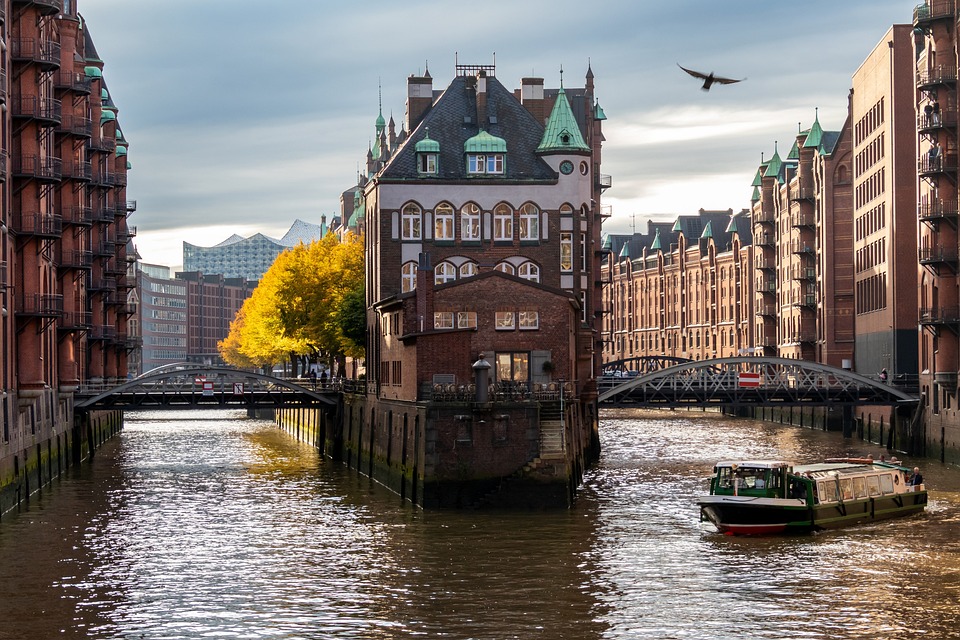
Germany, known for its enchanting landscapes, historic cities, and rich cultural heritage, is also home to some of Europe’s most remarkable waterways. From the scenic bends of the Rhine to the serene beauty of the Moselle, Germany’s rivers offer more than just picturesque views—they’re a gateway to history, culture, and nature. Whether you’re keen to sail through vine-covered valleys, discover vibrant towns, or simply bask in the tranquillity of flowing water, Germany’s rivers promise a journey to remember.
In this detailed guide, we’ll explore the top rivers in Germany and uncover the unique experiences they offer. Whether you’re planning a cruise, hiking along their banks, or enjoying a leisurely riverside stay, here’s everything you need to know.
The Rhine: Germany’s Most Famous River
When it comes to rivers in Germany, the Rhine reigns supreme. Stretching over 1,230 kilometres and flowing through six countries, it’s a lifeline of Western Europe. But in Germany, the Rhine truly shines.
Key Highlights: Culture and Nature Along the Rhine
The stretch between Koblenz and Bingen, often referred to as the Romantic Rhine, is a UNESCO World Heritage Site. Here, you’ll encounter everything from medieval castles perched high above the water to quaint, half-timbered towns like Bacharach and Rüdesheim.
Key nature spots include the Loreley Rock, a legendary cliff that has inspired countless myths and songs, and the serene trails through Rhine Gorge.
Best Way to Explore:
- River Cruises: A Rhine river cruise is one of the most popular ways to soak in the region’s beauty. Choose between short day cruises or multi-day excursions that include stops in cities like Cologne, Düsseldorf, and Mainz.
- Hiking: The Rheinsteig Trail is a must for hiking enthusiasts, offering panoramic views of the river below.
- Wine Tasting: Don’t miss the opportunity to indulge in local Riesling wines from one of Germany’s most celebrated wine-growing regions.
The Moselle: A Tranquil Escape into Vineyards and History
If serenity and charm are what you’re after, the Moselle River ticks all the right boxes. Meandering through the country’s western regions, the Moselle showcases a landscape of steep vineyards, old-world villages, and Roman ruins.
Highlights of the Moselle
The Moselle is synonymous with wine culture, boasting some of the oldest vineyards in Europe. Towns like Bernkastel-Kues, Cochem, and Trier (Germany’s oldest city) offer a mix of architectural wonders and riverside beauty.
Top Experiences:
- Cycling Tours: The Moselle Cycle Route spans around 300 kilometres, following the river’s gentle curves from Koblenz to France. It’s a dream for leisure cyclists.
- Castles: Visit Burg Eltz, one of Germany’s most well-preserved medieval castles, hidden in the forests near the Moselle.
- Wine Festivals: Each autumn, riverside towns host vibrant wine festivals, complete with tastings, parades, and local delicacies.
The Danube: From Fairytale Towns to Vibrant Cities
While the Danube is often associated with Central and Eastern Europe, its German portion is equally captivating. As Europe’s second-longest river, the Danube begins its journey in the Black Forest region before flowing through cities like Ulm, Regensburg, and Passau.
Why Explore the Danube in Germany?
The Danube is an excellent choice for travellers seeking a mix of natural beauty and cultural immersion. In cities like Regensburg, a medieval old town brimming with UNESCO-listed sites awaits. Further upstream, Passau—often called the “City of Three Rivers”—showcases stunning confluences of the Danube, Inn, and Ilz rivers.
Things to Do on the Danube:
- Cruises: European river cruises often begin or end in Passau, making it a prime launchpad for exploring the Danube in its entirety.
- Exploring Regensburg: Take a leisurely walk across the Stone Bridge, a 900-year-old marvel, and enjoy the city’s beer gardens for some Bavarian-style hospitality.
- Cycling: The Danube Bike Path is famed for its flat, scenic terrain, making it ideal for families and casual cyclists.
The Elbe: A Journey Through Diverse Landscapes
The Elbe River, which flows from the Czech Republic into northern Germany, offers travellers a more varied and off-the-beaten-path experience. From the culturally vibrant city of Dresden to the port city of Hamburg, the Elbe unlocks Germany’s diversity.
Must-See Attractions Along the Elbe
The Saxon Switzerland National Park, located near Dresden, is a haven for nature lovers, featuring dramatic sandstone cliffs and hiking trails. Cities like Dresden and Meissen on the river’s banks are cultural hubs, boasting opera houses, Baroque palaces, and porcelain craftsmanship.
Plan Your Visit:
- Short River Cruises: Explore the Elbe’s scenic paths around the Dresden area.
- City Vacations: Stay in Hamburg, where the Elbe meets Germany’s largest port, transforming into a vibrant urban hub filled with world-class museums and nightlife.
- Saxon Switzerland Hikes: If you’re a fan of outdoor adventures, this national park offers endless trails and Instagram-worthy views.
The Main: A Blend of Modernity and Tradition
Unlike its longer counterparts, the 530-kilometre-long Main River flows entirely within Germany. Its route connects the old-world charms of Bamberg and Würzburg with the urban sophistication of Frankfurt.
What Makes the Main Unique?
The Main Valley, particularly in regions like Franconia, is filled with lush wine-growing neighbourhoods and Baroque architecture. The Main’s crowning glory, however, is its journey through Frankfurt—the financial capital of Germany.
How to Explore the Main:
- Walking Tours: Stroll through Würzburg’s historic centre and visit the grand Würzburger Residenz, another UNESCO World Heritage Site.
- Frankfurt Excursions: Explore the city’s skyline and cultural hotspots like the Goethe House and Städel Museum.
- Boating: Smaller-scale river cruises along the Main cater to those looking for a smaller, intimate experience.
The Weser: Germany’s Hidden Gem
For those seeking a less commercialised and tranquil river to explore, the Weser River offers an authentic slice of Germany. Flowing through the smaller towns in northwestern Germany, the Weser showcases fairy-tale countryside and relaxed vibes.
Highlights of the Weser
In towns like Hann. Münden, where the Fulda and Werra rivers merge to form the Weser, history comes alive with stunning half-timbered buildings. Other must-visit spots include Bremen, a city renowned for its maritime traditions, and the quaint landscapes of the Weser Hills Nature Park.
What Not to Miss on the Weser:
- Nature Escapades: Canoeing and kayaking are particularly popular on the Weser due to its calm waters.
- The Bremen Town Musicians: Discover the famous bronze statue of the fairy-tale animals in Bremen.
- Weser Hiking Trail: A lesser-known but rewarding path for walking enthusiasts.
Germany’s River Adventures: Tips for Travellers
Whether you’re a nature lover, history enthusiast, or simply looking for a peaceful getaway, Germany’s rivers have something to offer for everyone. Here are some quick tips to make the most of your river explorations:
- Time Your Visit: Spring and autumn are ideal for river journeys, with blooming landscapes or vibrant leaf colours to set the scene.
- Combine Themes: Pair river cruises with local activities like wine tasting, cycling, or city tours to get a well-rounded experience.
- Pack Smart: Comfortable walking shoes, a good camera, and a guidebook are essentials for enjoying both the riverside towns and nature trails.
- Use Local Operators: Whether booking a cruise or planning a trip, consider using local operators such as Nihosi Travels & Tours (www.nihositravels.com) for expert advice.
FAQs: Exploring Germany’s Rivers
What is the best river to cruise in Germany?
The Rhine River is the most popular, offering iconic castles, vineyards, and historic towns along the Romantic Rhine stretch.
How long does a typical river cruise last?
River cruises in Germany can be as short as a few hours or span several days, depending on the itinerary.
Can I explore Germany’s rivers by bike?
Absolutely! Rivers like the Moselle, Danube, and Elbe boast world-famous, well-maintained cycling trails.
When is the best time to visit Germany’s rivers?
Late spring and early autumn offer ideal weather, stunning countryside views, and exciting local festivals.
What accommodation options are available near these rivers?
From charming B&Bs in Moselle vineyards to luxury hotels in riverside cities like Frankfurt or Hamburg, the choices are endless.
For more travel guides and tips tailored to your next adventure, visit www.nihosi.com. Whether it’s winding river trails or sprawling cities, Germany’s rivers will leave you in awe. Are you ready to embark on your journey?











Subscribe To Our Newsletter
Join our mailing list to receive the latest news and updates from our team.
You have Successfully Subscribed!