
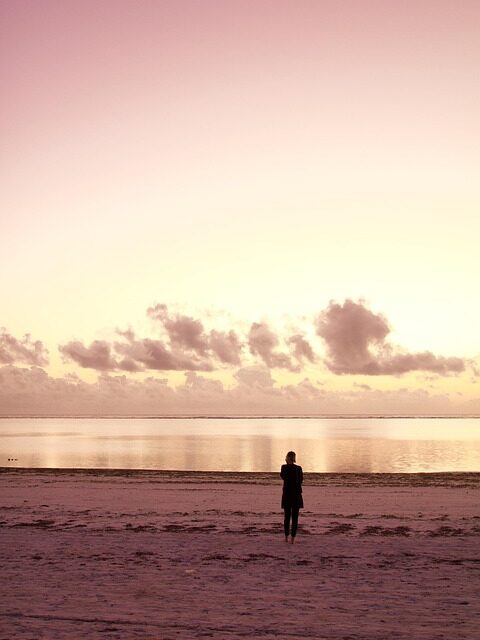
Tanzania: a land brimming with untamed wonders, vibrant traditions, and endless possibilities for adventure. Whether you’re a wildlife enthusiast yearning for unparalleled safari experiences, a beach lover drawn by pristine shores, or a curious traveler eager to immerse yourself in local culture, this East African gem offers something extraordinary.
In this in-depth guide, we’ll take you on a journey through Tanzania’s rich tapestry — from its iconic wildlife sanctuaries and awe-inspiring landscapes to its deep-rooted traditions and thrilling activities. Ready to explore the magic of Tanzania? Let’s dive in!
Why Visit Tanzania?
Tanzania isn’t just a destination; it’s an experience. It’s where the wild heartbeat of Africa merges with vibrant culture and unforgettable adventures. Picture yourself standing atop the world’s tallest freestanding mountain — Mount Kilimanjaro. Imagine witnessing the Great Wildebeest Migration unfold across the mighty Serengeti, or diving into the crystalline waters of Zanzibar’s coral reefs.
Whether you seek an adrenaline-fueled trek, a tranquil beach retreat, or a deeper understanding of Africa’s history and traditions, Tanzania checks every box. Plus, with its welcoming locals, incredible cuisines, and year-round travel potential, it’s no wonder that this East African gem has become a must-visit global destination.
Tanzania’s culture is an intriguing blend of more than 120 ethnic groups, each with its distinct languages, customs, and stories. The country is a harmonious mesh of Swahili influence, age-old traditions, and modern adaptations.
1. Meet the Maasai: Guardians of Tanzania’s Heritage
When we think of Tanzanian culture, the Maasai community often comes to mind. Known for their iconic red shukas and intricate beadwork, the Maasai have safeguarded their heritage for centuries. Their practices, from cattle-rearing to their famous adumu (jumping dance), are as awe-inspiring as the landscapes they inhabit.
Visitors can partake in cultural tourism activities, such as staying in a Maasai village, learning about their traditions, and understanding how they co-exist with wildlife.
Actionable Tip: Visit the Maasai Mara villages around the Ngorongoro Conservation Area for an authentic cultural experience.
2. The Swahili Coast: A Melting Pot of Civilisations
The Swahili culture, born from centuries of trade across the Indian Ocean, thrives on Tanzania’s eastern shores. Coastal cities like Zanzibar and Dar es Salaam showcase a rich fusion of African, Arabic, and Asian influences. Explore the narrow streets of Stone Town, a UNESCO World Heritage Site, where the aroma of spices mingles with stories of the island’s storied past.
Cultural Insider Insight: Don’t miss out on sampling local dishes like pilau and nyama choma (roast meat) while enjoying taarab music in Zanzibar.
Few destinations on Earth rival Tanzania’s reputation as a wildlife haven. Its legendary parks and conservation areas host millions of animals, each playing their part in the kingdom’s grand performance.
1. The Serengeti National Park: A Safari Dream Come True
A trip to Tanzania wouldn’t be complete without visiting the Serengeti, the crown jewel of African safaris. This sprawling savannah is home to the Great Wildebeest Migration, dubbed the “greatest show on Earth.” Witness over 2 million wildebeests, zebras, and gazelles as they traverse predator-filled plains.
Beyond the migration, the Serengeti offers year-round opportunities to spot the Big Five (lion, leopard, rhino, elephant, and buffalo) in their natural habitat.
Travel Tip: For the best migration experiences, plan your visit during February or between July and October.
2. Ngorongoro Crater: The Eighth Wonder of the World
Nestled within the Ngorongoro Conservation Area, this ancient caldera boasts one of the highest concentrations of wildlife on the planet. Imagine gazing upon a natural amphitheatre teeming with lions lounging under acacia trees, playful baboons, herds of grazing wildebeests, and flamingos painting the soda lake pink.
Don’t forget to interact with traditional Maasai herders who share this remarkable ecosystem with wildlife.
3. Lake Manyara and Tarangire: Hidden Gems
While most visitors flock to the Serengeti and Ngorongoro, Lake Manyara and Tarangire National Parks provide equally stunning yet less-crowded alternatives.
- Lake Manyara National Park: Famous for its flamingo-fringed lake and tree-climbing lions, this park is a paradise for bird watchers.
- Tarangire National Park: Boasting enormous baobab trees and a vast elephant population, this park is a must-visit during the dry season when wildlife gathers around its lifeline, the Tarangire River.
4. Off-the-Beaten-Path: Selous Game Reserve
For a quieter, more intimate safari experience, head to Selous (now Nyerere National Park). This UNESCO-listed reserve is known for its boat safaris along the Rufiji River, where you can spot hippos, crocs, and an abundance of birds.
In Tanzania, adventure is boundless. Beyond its safari fame, there’s a whole world of exploration waiting for thrill-seekers.
1. Conquer Mount Kilimanjaro
Standing 5,895 metres tall, Mount Kilimanjaro — the Roof of Africa — draws climbers from around the globe. But trekking this dormant volcano is more than a physical challenge; it’s a mental and emotional triumph that rewards you with unparalleled panoramic views at Uhuru Peak.
Chose your route wisely:
- Marangu Route: Easiest but busiest.
- Machame Route: Scenic and adventurous.
- Lemosho Route: Quiet with great acclimatisation.
Expert Advice: Allocate 6-8 days for the climb to maximise your chances of acclimatisation and success.
2. Escape to Zanzibar: The Spice Island
After the adrenaline rush of the mountains, immerse yourself in the tropical allure of Zanzibar. Think white sand beaches, turquoise waters, and laid-back vibes.
Activities to try: snorkeling in Mnemba Atoll, dolphin spotting, or exploring Jozani Forest — home to the rare red colobus monkeys.
- When to Visit: June to October for safaris; December to February for the Great Migration’s calving season; July to September for Zanzibar’s beaches.
- Visa Requirements: Most travellers can get a visa upon arrival or e-visas online.
- Vaccinations: Yellow fever vaccination is required if entering from a yellow fever zone. Malaria precautions are a must.
- Currency: Tanzanian Shilling (TZS). US dollars are widely accepted, but ensure bills are printed after 2006.
1. Is Tanzania safe for travellers?
Yes, Tanzania is generally safe for tourists, especially when exploring with reputable guides or tour companies. As with any destination, stay vigilant and avoid risky areas.
2. How do I book a safari in Tanzania?
Booking through trusted operators like Nihosi Travels & Tours ensures expert guidance and a tailored experience.
3. What is the Great Wildebeest Migration?
The migration refers to the annual movement of millions of wildebeests, zebras, and antelope across the Serengeti and Masai Mara ecosystems.
4. Which is better: Serengeti or Ngorongoro Crater?
Both offer unique experiences. Serengeti is ideal for the migration, while Ngorongoro provides dense wildlife in a compact area.
Whether it’s your first safari, a cultural deep dive, or an adrenaline-filled climb, Tanzania offers a lifetime’s worth of memories. So, what’s holding you back? Pack your bags and uncover the wonders waiting for you in the heart of East Africa.
For expertly crafted itineraries and once-in-a-lifetime adventures, visit Nihosi Travels & Tours.
Adventure is calling. Will you answer?












Subscribe To Our Newsletter
Join our mailing list to receive the latest news and updates from our team.
You have Successfully Subscribed!