
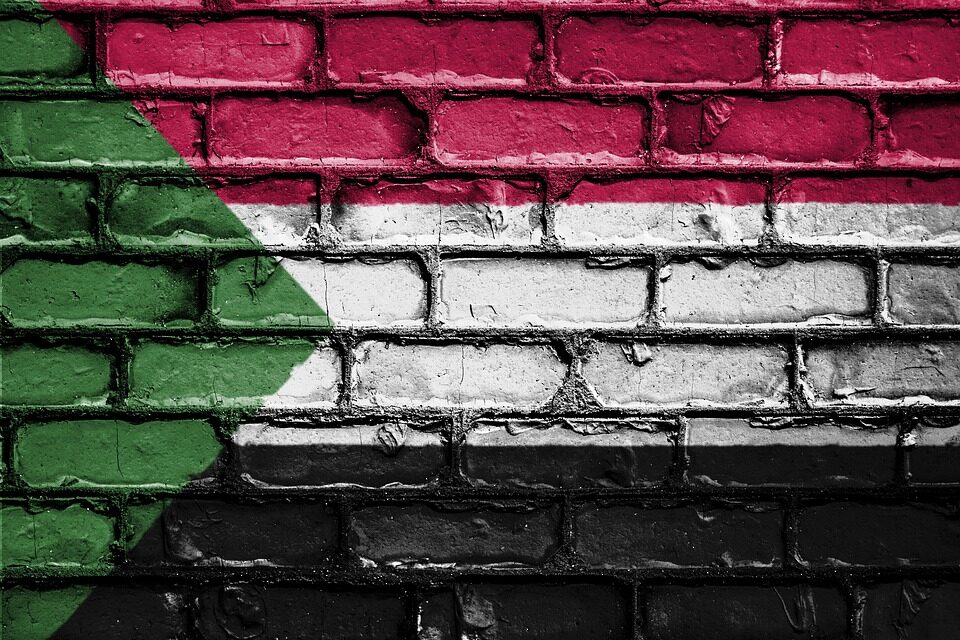
South Sudan, one of the world’s youngest nations, is a hidden gem for intrepid travellers seeking authentic experiences. Nestled in the heart of Africa, South Sudan is a land of immense cultural wealth, ancient traditions, and unspoiled natural beauty. From vast wetlands teeming with wildlife to vibrant tribal communities maintaining age-old customs, this country offers unprecedented opportunities for adventure and discovery.
Whether you’re an avid nature enthusiast, a culture seeker, or simply looking for an off-the-beaten-track exploration, South Sudan promises bucket-list experiences. In this comprehensive travel guide, we’ll uncover everything you need to know, including destinations to visit, safety tips, practical advice, and a glimpse into its fascinating culture. Let’s dive into South Sudan’s unique charm, where ancient culture meets pristine wilderness.
Table of Contents
- Why Visit South Sudan?
- Getting to South Sudan: Flights and Visas
- When to Visit: Best Time of Year
- Top Destinations in South Sudan
- Juba: The Vibrant Capital
- Boma National Park
- Nimule National Park
- Dinka and Nuer Communities
- Sudd Wetlands
- Immersing in Culture: What Makes South Sudan Special
- Safety Tips and Practical Travel Advice
- Must-Try South Sudanese Cuisine
- Sustainable Tourism in South Sudan
- FAQs About Travelling to South Sudan
1. Why Visit South Sudan?
South Sudan is an untamed frontier, perfect for travellers looking to experience raw, untouched Africa. Unlike conventional African destinations overly influenced by tourism, South Sudan retains its authenticity. It’s a place where ancient tribes continue their rituals, wildlife roams freely, and landscapes remain unspoiled.
What Makes South Sudan Special?
- Cultural Diversity: With over 60 ethnic groups, each with distinct traditions, South Sudan is a cultural mosaic. Tribes like the Dinka, Shilluk, and Nuer are some of the most iconic custodian communities, offering visitors authentic experiences of ancient African ways of life.
- Breathtaking Landscapes: From the massive Sudd Wetlands to wildlife-rich national parks, South Sudan’s nature is mesmerising. The country’s pristine wilderness is an under-explored paradise for photographers and adventurers.
- Wildlife Extravaganza: South Sudan boasts one of the largest annual migrations of antelopes, rivalled only by that of the Serengeti wildebeests. Birdwatchers will also rejoice at the diverse avian species found in the Sudd Wetlands.
For those seeking authentic ecotourism, South Sudan is calling your name.
2. Getting to South Sudan: Flights and Visas
You’ll typically begin your journey to South Sudan by flying into Juba International Airport, the country’s main international gateway. Major carriers operating here include Ethiopian Airlines, Uganda Airlines, and Kenya Airways, with connections through hubs like Addis Ababa and Nairobi.
Visa Requirements
All visitors must obtain a South Sudan visa before arrival. Applications can typically be completed at South Sudanese embassies or consulates. Certain nationalities may require a letter of invitation, so check requirements in advance.
Pro Tip: Use a reliable travel agency like Nihosi Travels & Tours to help navigate visa arrangements and ensure a seamless process.
3. When to Visit: Best Time of Year
South Sudan’s climate is predominantly tropical, with a wet and dry season. Choosing the right time depends on the experiences you seek.
- Dry Season (December to April): Ideal for wildlife safaris and exploring remote areas, as roads are more accessible.
- Wet Season (May to November): Lush landscapes and overflowing wetlands make this perfect for birdwatching and photography.
The dry season is the most practical time to visit due to better conditions for travel and access to National Parks.
4. Top Destinations in South Sudan
Juba: The Vibrant Capital
Your South Sudan adventure begins in Juba, offering a mix of cultural landmarks and modern amenities. Visit the Juba Nile Bridge to view one of Africa’s longest rivers, or spend time at local markets such as the Konyo Konyo Market.
Boma National Park
Spanning an impressive 22,800 square kilometres, Boma National Park is an untouched wildlife haven. Witness the second-largest antelope migration in the world as hundreds of thousands of white-eared kob migrate across the grasslands. The park is also home to elephants, lions, and cheetahs.
Nimule National Park
Nestled near the Ugandan border, Nimule National Park offers easier accessibility for safari-goers. It’s famous for its large Nile crocodiles, hippos, and elephants. The Fola Falls along the Nile is a must-see natural attraction here.
Sudd Wetlands
One of South Sudan’s most iconic natural wonders, the Sudd Wetlands, is one of the world’s largest swamps. Whether you’re kayaking through the intricate water channels or birdwatching, the tranquillity of the wetlands is unmatched.
Dinka and Nuer Communities
Immerse yourself in the unique cultures of the Dinka and Nuer tribes, renowned for their pastoral lifestyles and folklore. Witness their vibrant traditional dances, intricate scarification art, and age-old ceremonies. Respectful interaction with these communities promises a rare glimpse into one of the world’s most authentic societies.
5. Immersing in Culture: What Makes South Sudan Special
South Sudan’s rich cultural heritage makes it stand out from typical tourist destinations. Here’s what you need to know:
- Oral Traditions: Many of South Sudan’s traditions are passed down orally, especially myths, proverbs, and storytelling.
- Community Rituals: Attend ceremonies such as the Dinka’s cattle blessings or Nuer wedding celebrations. These rituals are deeply symbolic and represent community solidarity.
- Traditional Crafts: Explore markets selling beaded jewellery, woven baskets, and wooden sculptures.
6. Safety Tips and Practical Travel Advice
While South Sudan is an evolving destination, taking precautions and being prepared ensures a smoother journey.
- Travel Insurance: Comprehensive coverage for health and evacuation is essential.
- Stay Updated: Monitor travel advisories and news for up-to-date information.
- Guided Tours: Travelling with agencies like Nihosi Travels & Tours can enhance safety and make logistics easier.
- Health Precautions: Ensure vaccinations for yellow fever, hepatitis, and typhoid. Carry anti-malarial medication and a first aid kit.
- Local Etiquette: Dress conservatively and respect local customs, especially when visiting tribal areas.
7. Must-Try South Sudanese Cuisine
South Sudanese dishes are simple yet hearty, offering a taste of the country’s rich agricultural heritage.
- Asida: A traditional wheat flour porridge served with a savoury stew.
- Kisra: A fermented flatbread often paired with lentils or beans.
- Nyamachoma: Grilled meat seasoned with local spices.
- Traditional Drinks: Enjoy Sudanese coffee or the local favourite, araqi (a distilled spirit).
8. Sustainable Tourism in South Sudan
South Sudan’s nascent tourism industry provides an excellent opportunity to develop sustainable practices. Visitors are encouraged to:
How You Can Help:
- Support Local Communities: Purchase handmade crafts and employ local guides.
- Practice Leave No Trace: Respect natural areas—avoid littering or causing harm to wildlife.
- Cultural Respect: Learn about and honour local traditions, ensuring your visit fosters cultural understanding.
By prioritising sustainable tourism, you’ll contribute towards the ethical growth of South Sudan’s travel industry.
9. FAQs About Travelling to South Sudan
1. Is South Sudan safe for tourists?
Tourists should exercise caution and stay informed about current conditions. Travelling with a reputable guide is highly recommended.
2. What currency is used in South Sudan?
The South Sudanese Pound (SSP) is the official currency. Foreign currencies like USD are accepted, but bring small denominations.
3. Can I take photographs?
Always ask for permission, especially when photographing people or cultural sites.
4. What is the official language in South Sudan?
English is the official language, but many communities also speak Arabic and local dialects.
Conclusion
South Sudan is a destination like no other, offering a journey into ancient cultures, untamed wilderness, and heartfelt authenticity. Whether you’re exploring Boma National Park’s remarkable antelope migration or delving into the rituals of the Dinka people, every experience is deeply enriching. While challenges exist, they only make the rewards of travelling here even sweeter.
For a seamless travel experience, check out Nihosi Travels & Tours, your trusted partner for exploring South Sudan. Start planning your adventure today, and prepare to be captivated by a land untouched by time.
Ready to experience the wonders of South Sudan? Let us know your thoughts or share your travel plans in the comments below!








Subscribe To Our Newsletter
Join our mailing list to receive the latest news and updates from our team.
You have Successfully Subscribed!