
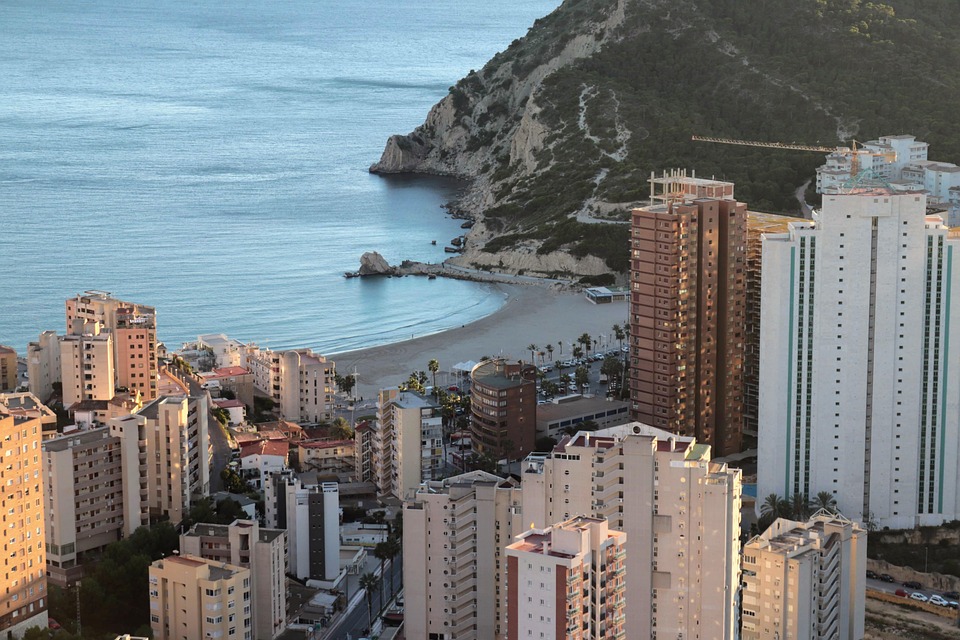
Spain is a country known for its vibrant culture, jaw-dropping architecture, and captivating cities like Madrid, Barcelona, and Granada. But what lies beyond the bustling streets and crowded tourist hotspots? If you’re looking to explore Spain differently—away from the queues, selfie sticks, and guided tour crowds—you’re in for a treat. Spain is filled with hidden gems, lesser-known towns, and quaint villages that reveal a side of the country most tourists never see.
In this travel guide, we’ll take you on a journey to discover the hidden towns of Spain—places rich in history, culture, and natural beauty that often fly under the radar. Whether you’re an avid adventurer or a traveller searching for tranquillity, you’ll find valuable, actionable tips to help you explore these hidden gems.
Why Visit Hidden Towns in Spain?
Stepping away from Spain’s tourist hubs offers a unique and enriching travel experience. Hidden towns and villages encapsulate Spain’s authentic soul, where local traditions remain untouched, and the pace of life slows down.
Here are just a few reasons to visit these off-the-beaten-path destinations:
- Authentic Culture: Hidden towns preserve Spain’s traditional customs, from age-old festivals to local culinary secrets.
- Serenity and Tranquillity: Smaller, lesser-known towns offer peace and quiet, away from the tourist crowds.
- Affordable Travel: Prices tend to be friendlier on your wallet, compared to popular destinations.
- Unique Landscapes: Spain’s countryside is extraordinarily diverse, featuring mountain ranges, vineyards, coastal cliffs, and rolling plains.
If you’re ready to ditch the same old tourist itineraries and explore Spain at its most authentic, start here—with this guide to Spain’s hidden towns you should visit.
Hidden Towns in Spain You Need to Add to Your Bucket List
1. Albarracín – A Medieval Fairy Tale in Aragon
Nestled high above the Guadalaviar River in Aragon, Albarracín looks like it was lifted straight from a storybook. Tiny cobblestone streets twist and turn past terracotta houses with wrought-iron balconies, creating an atmosphere of undisturbed antiquity.
Top Highlights in Albarracín:
- Explore Moorish Architecture: Visit the Moorish walls and historic towers that date back to the 10th century.
- Albarracín Cathedral: Admire its intricate frescoes and Mudejar-style woodwork.
- Hiking Trails: Surrounding Albarracín are lush trails leading you through canyons, waterfalls, and forests.
Insider Tip:
Visit in autumn—the fiery colours of the surrounding landscape perfectly complement the town’s red-ochre facades.
2. Frigiliana – The White Jewel of Andalucía
Andalucía is famous for its whitewashed villages, but Frigiliana, perched on the hills of Málaga, is truly one-of-a-kind. This picture-perfect town offers sweeping views of the Mediterranean Sea, with narrow streets lined with bright flowers and artisan crafts.
What to Do in Frigiliana:
- Wander the Old Town: Stroll the cobbled streets and admire the town’s distinctive Moorish-Mudéjar vibe.
- Taste Local Flavours: Don’t leave without trying the town’s famous dish, migas, and honey-sweetened wines.
- Explore the Natural Park: Take a hike through the Sierras de Almijara for incredible views and peaceful outdoor experiences.
3. Besalú – A Gateway to Catalonia’s Past
Located in Catalonia, Besalú is famous for its magical medieval bridge that greets travellers with grandeur. Entering the town, you’ll feel as though you’ve time travelled to the Middle Ages.
Don’t Miss in Besalú:
- Pont Vell Bridge: A postcard-perfect medieval bridge that crosses the Fluvià River.
- Jewish Quarter: Learn about the fascinating history of Besalú’s Jewish population.
- Castle of Besalú: Explore the ruins and enjoy panoramic views of the surrounding countryside.
Fun Fact:
Besalú often hosts medieval fairs, complete with knights, artisans, and medieval delicacies.
4. Aínsa – A Hidden Treasure in the Pyrenees
Aínsa, located in the foothills of the Pyrenees, is a well-preserved town that offers both cultural experiences and outdoor adventures. Its position overlooking the Cinca and Ara Rivers makes it a stunning escape for nature lovers.
Things to Explore in Aínsa:
- Plaza Mayor: The picturesque square is the heart of the old town, surrounded by Romanesque and Gothic architecture.
- Ordesa National Park: Just a stone’s throw away, this UNESCO Biosphere Reserve offers fantastic hiking opportunities.
- Castle of Aínsa: A fortress filled with history and scenic vistas.
5. Sos del Rey Católico – A King’s Birthplace
Sitting on a hilltop in Aragón, Sos del Rey Católico is a town steeped in royal history. It’s named after Fernando II of Aragón, who was born here.
Activities in Sos del Rey Católico:
- Royal History: Visit Fernando II’s birthplace and learn about his legacy in Spanish history.
- Walled Enclosure: Get lost in the labyrinth of medieval streets and passageways inside the town’s fortified walls.
- Authentic Aragonese Cuisine: Enjoy hearty meat dishes and local cheeses at one of the town’s traditional tavernas.
6. Cudillero – A Coastal Hidden Gem in Asturias
If quaint fishing villages are your thing, head to Cudillero, a small coastal town in Asturias where colourful houses are stacked on steep cliffs above the harbour.
Quick Guide to Exploring Cudillero:
- Stroll the Harbour: The charming port is dotted with fishing boats and waterfront cafes.
- Eat Fresh Seafood: Try Fabada Asturiana, a hearty bean stew, alongside freshly caught fish.
- El Faro Lighthouse: Hike to this scenic spot for stunning views over the Bay of Biscay.
7. Ronda – Andalucía’s Dramatic Cliffside Town
A guide about hidden Spanish towns isn’t complete without Ronda, located in Málaga province. This spectacular town is famous for its precarious clifftop position and dramatic views over the El Tajo Gorge.
Must-Sees in Ronda:
- Puente Nuevo: An iconic stone bridge that connects two sides of the gorge, with breathtaking views.
- Plaza de Toros: Visit Spain’s oldest bullfighting ring and its informative museum.
- Vineyard Tours: Sample fantastic wines produced in the surrounding region.
Practical Tips for Exploring Spain’s Hidden Towns
- Rent a Car: Public transport often doesn’t reach remote towns. A car lets you explore with freedom.
- Plan Your Timing: Many small towns have limited hours for shops and restaurants, especially during siesta.
- Learn Basic Phrases in Spanish: While English may help in cities, it’s less common in these tucked-away spots.
FAQ Section
What is the best time of year to visit Spain’s hidden towns?
Spain’s hidden gems can be visited year-round, but spring (April-May) and autumn (September-October) offer pleasant weather and fewer tourists.
Can I visit these towns on a budget?
Absolutely. Most hidden towns offer affordable accommodation like family-run inns and restaurants serving economical local cuisine.
How do I get to remote towns?
The best option is to rent a car, particularly when travelling to rural or hilltop towns with limited public transport.
Are these towns family-friendly?
Yes, many of these towns are safe and perfect for families. They offer outdoor adventures, historic landmarks, and authentic cultural experiences.
Conclusion
Wandering off the beaten path in Spain leads you to a quieter, more authentic side of this diverse country. From whitewashed villages like Frigiliana to medieval marvels like Besalú, you’ll discover a Spain unlike any other—a Spain rich in culture, history, and natural beauty, perfect for those who crave unique and unforgettable experiences.
Start planning your journey today. And remember, when you explore these hidden gems, you’re not just visiting picturesque towns—you’re stepping into centuries of history, tradition, and authentic charm.
Ready to take the road less travelled in Spain? Let Nihosi Travels & Tours help guide your adventure!










Subscribe To Our Newsletter
Join our mailing list to receive the latest news and updates from our team.
You have Successfully Subscribed!