
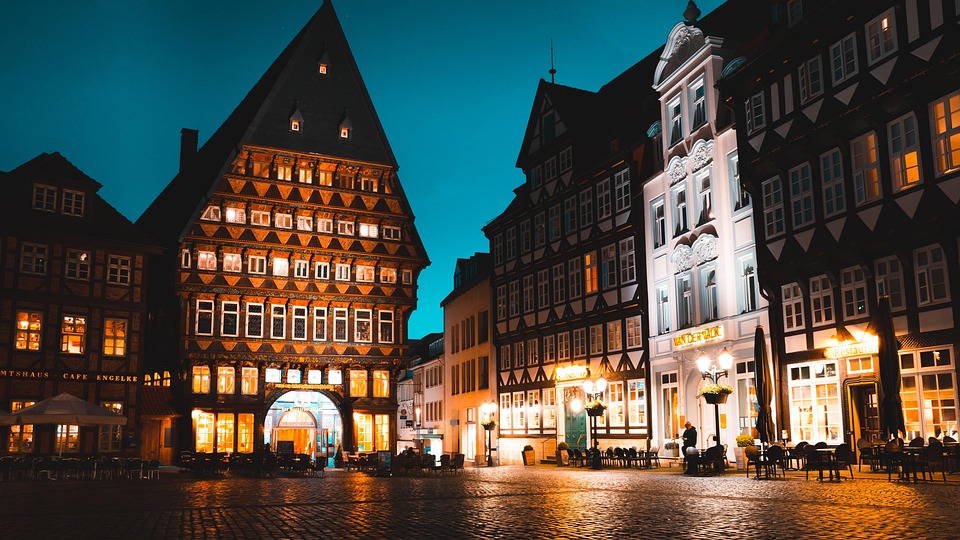
When it comes to epic road trips, Germany offers an unforgettable mix of history, culture, nature, and scenic splendour. Whether you’re drawn to the forested hills of Bavaria, the winding Moselle River, or the coastal charm of the Baltic Sea, there’s an adventure for everyone. Germany’s excellent motorway (Autobahn) network, paired with picturesque backroads, makes it one of the best places in Europe for road travel. So, grab a map, pack your bags, and get ready to explore some of Germany’s most scenic road trips—routes that you simply can’t miss!
In this guide, we’ll take you through some of the most iconic road trip routes, giving you tips, itinerary ideas, and insights into what makes each journey unique.
Why Germany Is Perfect for Road Trips
A Land of Diversity
Germany boasts rich landscapes—from the romantic Rhine Valley to the alpine splendour of Bavaria. Whether you want to explore medieval towns, sprawling vineyards, or sandy coastlines, you’ll find more than enough variety to plan multiple road trips.
The Autobahn & Beyond
The German Autobahn is legendary for its efficiency and speed-limit-free sections. But what many travellers don’t know is that Germany’s scenic B-roads (secondary roads) reveal hidden gems that Autobahn routes often skip.
Well-Maintained Roads
Another reason Germany stands out for road trips is its well-maintained infrastructure. The roads are top-notch, and signage is easy to navigate—even for foreigners.
Iconic Scenic Routes in Germany
1. Romantic Road (Romantische Straße)
Distance: ~400 km (248 miles)
Route: Würzburg to Füssen
If there’s one road trip route synonymous with Germany, it’s the Romantic Road. This iconic route takes you on a fairytale adventure through medieval towns, castles, and lush countryside.
-
Highlights:
- Würzburg: Start your journey in this wine-rich city, home to the UNESCO-listed Würzburg Residence.
- Rothenburg ob der Tauber: Explore cobblestone streets, half-timbered houses, and one of Germany’s best-preserved medieval towns.
- Neuschwanstein Castle: End your journey at Bavaria’s crown jewel, the enchanting Neuschwanstein Castle that famously inspired Disney.
-
Top Tip: Avoid peak tourist months (July-August) as towns like Rothenburg can get quite crowded.
2. The Alpine Route (Deutsche Alpenstraße)
Distance: ~450 km (280 miles)
Route: Lindau to Berchtesgaden
For those craving a journey framed by snow-covered peaks, crystalline lakes, and alpine meadows, the German Alpine Road is a must.
-
Highlights:
- Lindau: Begin your trip along the shores of Lake Constance, where alpine views steal every glance.
- Oberammergau: Famous for its Passion Play and ornately painted houses, it’s a perfect stop for cultural exploration.
- Königssee: Conclude your journey in Berchtesgaden, near the idyllic Königssee lake. Take a boat trip to see St. Bartholomew’s Church.
-
Top Tip: The road has many curves, so ensure proper breaks, especially if travelling with kids.
3. The Moselle Wine Route (Mosel Weinstraße)
Distance: ~195 km (121 miles)
Route: Koblenz to Trier
If fine wine, Roman history, and breath-taking river landscapes appeal to you, the Moselle Wine Route won’t disappoint.
-
Highlights:
- Koblenz: Start at the ‘Deutsches Eck,’ where the Moselle and Rhine Rivers meet.
- Bernkastel-Kues: A charming town famed for its half-timbered houses and incredible wine tastings.
- Trier: Germany’s oldest city, showcasing well-preserved Roman ruins like Porta Nigra.
-
Top Tip: Visit in the autumn to enjoy the vineyards at their most vibrant. Plus, you can partake in the local wine festivals!
4. The Baltic Sea Coast Route (Ostsee Küstenstrasse)
Distance: ~1,500 km (930 miles)
Route: Flensburg to Ahlbeck
Germany’s Baltic coastline is less travelled but equally rewarding. It’s a region of white sand beaches, fishing villages, and UNESCO-protected treasures.
-
Highlights:
- Wismar: Explore this Hanseatic League city with its red-brick Gothic architecture.
- Rügen Island: Famous for its chalk cliffs and beautiful beaches, it’s a natural paradise.
- Usedom: Known as the “sunniest island in Germany,” it’s your perfect finale for beach lovers.
-
Top Tip: This route is best enjoyed over multiple days to make time for island detours.
5. The Black Forest High Road (Schwarzwaldhochstraße)
Distance: ~60 km (37 miles)
Route: Baden-Baden to Freudenstadt
For a short but stunning escape, take the Black Forest High Road. It’s one of Germany’s oldest and most scenic routes, offering sweeping views of dense forests and distant alpine ranges.
-
Highlights:
- Baden-Baden: Begin with a soak in this world-famous spa town.
- Mummelsee Lake: Stop for a lakeside walk and try the local Black Forest cake.
- Triberg: See Germany’s highest waterfalls and learn about cuckoo clock craftsmanship.
-
Top Tip: Extend your trip by heading further into the Black Forest for remote hiking trails.
6. The Castle Road (Burgenstraße)
Distance: ~1,200 km (746 miles)
Route: Mannheim to Prague (Czech Republic)
History buffs will love the Castle Road, which passes more than 70 castles, fortresses, and palaces.
-
Highlights:
- Heidelberg: Home to Germany’s oldest university and a romantic hilltop castle.
- Rothenburg ob der Tauber: Yes, it’s part of both Romantic Road and Castle Road itineraries—a double treat!
- Prague: Cross the border to cap off your adventure in the Czech Republic’s stunning capital.
-
Top Tip: Allocate time for guided castle tours to fully absorb the history.
Travel Tips for Road Tripping in Germany
- Drivers’ Licence: Ensure you have an International Driving Permit (if your licence isn’t in German).
- Autobahn Etiquette: Stick to the right lane unless overtaking; speeding in the left lane is common.
- Fuel Planning: Fill up in towns or cities, as petrol stations on the Autobahn can be pricier.
- Seasonal Tips:
- Summer: Ideal for scenic road trips, but expect traffic on popular routes.
- Winter: Perfect for alpine roads, but carry snow chains and check road conditions.
FAQs
1. What is the best time of year for a road trip in Germany?
Late spring (April-May) and early autumn (September-October) offer the best weather and fewer tourists.
2. Are Germany’s road trips family-friendly?
Absolutely! Most routes include activities for all ages—from castles to natural landscapes that kids will adore.
3. Do I need a vignette to drive on Germany’s motorways?
No vignette system is required for Germany, but tolls apply for certain larger trucks—not passenger vehicles.
4. Can I rent a car in Germany with a foreign licence?
Yes, most car rental agencies accept international licences. Having an International Driving Permit adds convenience.
5. Are there EV charging stations available for electric cars?
Yes! Germany has an extensive EV charging network, making road trips environmentally sustainable.
Ready to Experience Germany’s Scenic Roads?
Germany’s road trips are a gateway to some of the most breath-taking landscapes, historic landmarks, and cultural treasures the country has to offer. Whether you’re chasing the allure of alpine peaks, the charm of medieval towns, or the tranquillity of vineyard-dotted valleys, these scenic routes promise unforgettable memories.
So, what’s stopping you? Start planning your German road trip today, and let the adventure begin. If you need help organising your itinerary, Nihosi Travels & Tours can make all the arrangements for a hassle-free experience.
By the end of your journey, you’ll understand why Germany’s roads are meant to be explored at leisure, uncovering hidden treasures and timeless beauty.
Pin for Later!
Planning a road trip soon? Save this guide and share the scenic beauty of Germany with friends and family. Your adventure awaits!










Subscribe To Our Newsletter
Join our mailing list to receive the latest news and updates from our team.
You have Successfully Subscribed!