
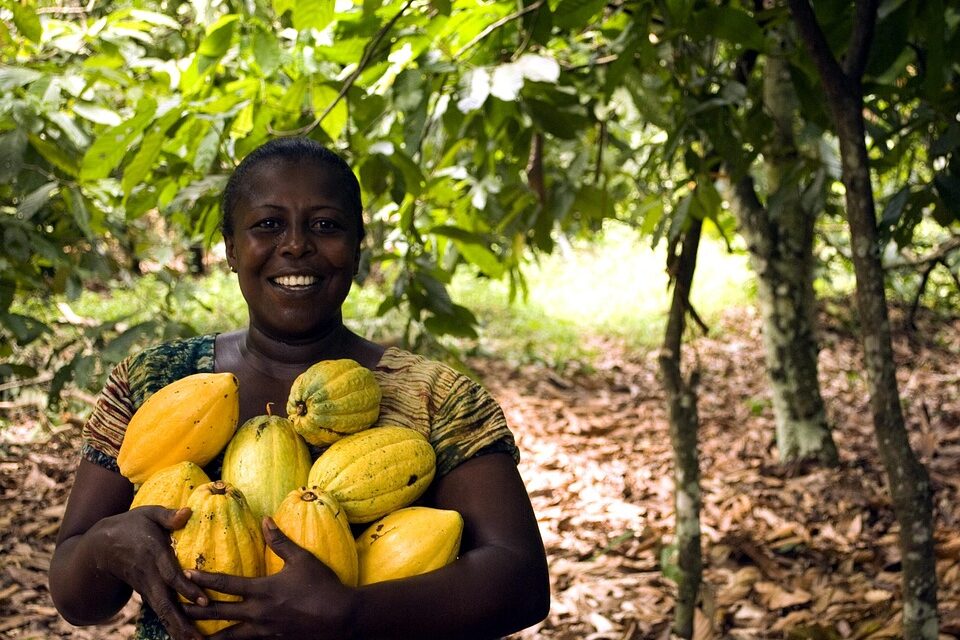
Ghana, the vibrant jewel of West Africa, is a country brimming with cultural heritage, historical significance, and breathtaking natural beauty. While this nation is widely celebrated for its warm hospitality and bustling cities, its lesser-explored natural wonders—stretching across pristine coastlines, lush forests, rolling savannahs, and majestic waterfalls—remain largely untouched and gloriously unspoiled by mass tourism.
If you’re ready to discover Ghana’s hidden gems and immerse yourself in the serenity of these spectacular landscapes, this guide will give you a detailed look at the country’s best-kept secrets. Grab your hiking boots and your sense of adventure because these natural wonders promise an experience you’ll treasure for a lifetime.
Why Exploring Ghana’s Natural Wonders Should Be on Your Bucket List
Often overshadowed by its historic sites like the Cape Coast Castle and its vibrant markets, Ghana’s natural attractions offer a refreshing escape from the urban hustle. Not only do these landscapes provide tranquillity and adventure, but they also serve as vital ecosystems housing rich biodiversity.
Exploring Ghana’s untouched beauty gives you a deeper understanding of the country’s commitment to preserving its natural heritage. Whether you’re chasing waterfalls, trekking through dense forests, or marvelling at fascinating rock formations, Ghana’s wonders are sure to captivate your heart.
1. Wli Waterfalls – Nature’s Soothing Symphony
Located in Ghana’s Volta Region, Wli Waterfalls holds the title of the tallest waterfall in West Africa. Encircled by the lush greenery of the Agumatsa Wildlife Sanctuary, this cascading marvel is a serene escape for nature lovers.
Hearing the roar of water tumbling down the cliffs, breathing in the fresh misty air, and spotting vibrant birds in the vicinity create an unforgettable sensory experience. It’s a haven for photographers, hikers, and anyone searching for peace in nature’s lap.
Top Tip:
To fully enjoy your trip, hike to the upper falls for a more challenging trail and a quieter experience, far removed from the crowds at the base.
2. Mole National Park – Ghana’s Safari Wonderland
Mole National Park is a safari lover’s dream come true. Situated in the Northern Region, this sprawling wildlife reserve showcases the diversity of Ghana’s fauna and flora. From mighty elephants and antelopes to playful baboons and over 90 species of birds, Mole is an unmissable stop for wildlife enthusiasts.
One of the unique features of Mole is the opportunity to embark on a walking safari. It’s not every day you get up close and personal with elephants in their natural habitat, so add this one to your to-do list!
Stay Nearby:
The Mole Motel offers stunning views overlooking the park and is an excellent base for adventurers looking to explore the park’s wonders at sunrise.
3. Lake Bosomtwe – A Tranquil Crater Lake
Nestled within a lush valley in the Ashanti Region, Lake Bosomtwe is Ghana’s only natural lake and a sight to behold. This 10.5-kilometre wide lake was formed thousands of years ago due to a meteorite impact, creating a location infused with mythology and tranquillity.
Visitors often take to the waters for canoeing or simply enjoy picnics on the serene shorelines. Local fishing communities dot the lake’s edges, and engaging with them offers a unique insight into traditional fishing practices.
Did You Know?
The Ashanti people consider the lake sacred. It is believed that the souls of the departed come here to say their final goodbyes on their way to the afterlife.
4. Nzulezo Stilt Village – A Floating Paradise
Nzulezo, located in the Western Region, is a one-of-a-kind destination. Built entirely on stilts above Lake Tadane, this village presents a harmonious blend of human ingenuity and nature.
Visiting Nzulezo involves a serene canoe ride through lush mangroves, culminating in a guided tour of the village. The community is welcoming, and their sustainable lifestyle offers valuable lessons about adapting to one’s environment.
Insider Tip:
The best time to visit Nzulezo is during the dry season between November and March when the waterways are easier to navigate.
5. Kwahu Plateau – A Hiker’s Delight
For panoramic views and a cooling climate, head to the Kwahu Plateau in the Eastern Region. The elevation creates the perfect conditions for hiking through rolling hills, dense forests, and open grasslands.
The town of Abetifi, perched on the plateau, makes an ideal base for visitors. Adventure lovers can also indulge in rock climbing and paragliding here, with breathtaking views of the surrounding scenery.
Don’t Miss This:
Every Easter, the Kwahu Plateau comes alive with Ghana’s yearly Paragliding Festival—a spectacle you won’t want to miss.
6. Boti Falls – Double the Wonder
Situated in the Eastern Region near Koforidua, Boti Falls is a stunning twin waterfall surrounded by lush vegetation. The falls are fed by the Ponpon River, and visiting here offers the unique chance to experience both male and female waterfalls, a rarity in nature.
Boti Falls holds cultural significance for the local communities and is best visited during the rainy season when the falls are at their most powerful.
Nearby Genie’s Wonder:
While there, consider hiking to Umbrella Rock and the nearby mysterious Three-Headed Palm Tree, nature’s artistic masterpieces.
7. The Sacred Monkey Sanctuary of Tafi Atome
If ethical wildlife experiences are your thing, Tafi Atome Monkey Sanctuary is a must-visit. Located in the Volta Region, this sanctuary is home to friendly Mona monkeys that freely interact with visitors.
Unlike other sanctuaries, Tafi Atome promotes human-monkey cohabitation, rooted in the community’s respect for nature. The sanctuary also showcases how eco-tourism can successfully support local livelihoods.
Pro Tip:
Early morning visits give you the best chance to see monkeys in action. Bring bananas—they love them!
8. The Kintampo Waterfalls – Stepping Into a Wonderland
Ghana’s natural wealth doesn’t stop at the heights of Wli or Boti. Deep in the heart of the Brong-Ahafo Region lies Kintampo Waterfalls, cascading down in three levels amidst a lush forest.
Visitors can climb up close to the falls or enjoy a refreshing dip at the bottom. The journey to Kintampo offers plenty of other attractions, such as the Fuller Falls and the breathtaking Tanoboase Sacred Grove.
Ghana’s Natural Wonders: Trek Responsibly
As more travellers are drawn to explore Ghana’s untouched beauty, it’s crucial to prioritise sustainable practices to preserve these environments. Here’s how you can contribute:
- Support eco-tourism initiatives led by local communities.
- Avoid littering and follow Leave No Trace principles.
- Respect the customs and traditions of the local people.
Plan Your Trip with Nihosi Travels & Tours
If you’re ready to embark on a journey across Ghana’s natural wonders but feel uncertain about planning your route, Nihosi Travels & Tours is your trusted partner. Their expert-guided adventures ensure unforgettable experiences while prioritising safety and eco-tourism. Discover more at Nihosi Travels to start planning your adventure today.
FAQs About Ghana’s Natural Wonders
1. What is the best time to visit Ghana’s natural attractions?
The dry season (November to March) is ideal for exploring waterfalls, parks, and hiking trails without heavy rainfall.
2. Are the waterfalls safe for swimming?
Yes, many waterfalls, such as Kintampo and Wli, have safe pools for swimming. Always follow local guidelines.
3. How can I reach Nzulezo Stilt Village?
Nzulezo is accessible from Beyin, where you can hire a canoe to navigate the lake to the stilt village.
4. What wildlife can I see in Mole National Park?
Expect to see elephants, antelopes, buffalo, monkeys, and various bird species.
5. Are guided tours necessary for exploring Ghana’s parks?
While solo travel is possible, guided tours provide valuable insights and ensure safety, especially in reserves like Mole.
6. Do I need permits to visit protected areas?
Certain parks and reserves require entry fees or permits. Check in advance to avoid surprises.
7. How can I contribute to sustainable tourism in Ghana?
Choose eco-friendly tour operators, respect local communities, and minimise your environmental footprint during your trips.
By embracing Ghana’s spectacular natural attractions, you’re not only discovering a side of the country few travellers have seen but also contributing to its preservation for future generations. So, pack your bags, lace up your hiking boots, and prepare to explore Ghana’s untouched beauty—because nature is calling, and Ghana’s wonders are ready to amaze you.









Subscribe To Our Newsletter
Join our mailing list to receive the latest news and updates from our team.
You have Successfully Subscribed!