
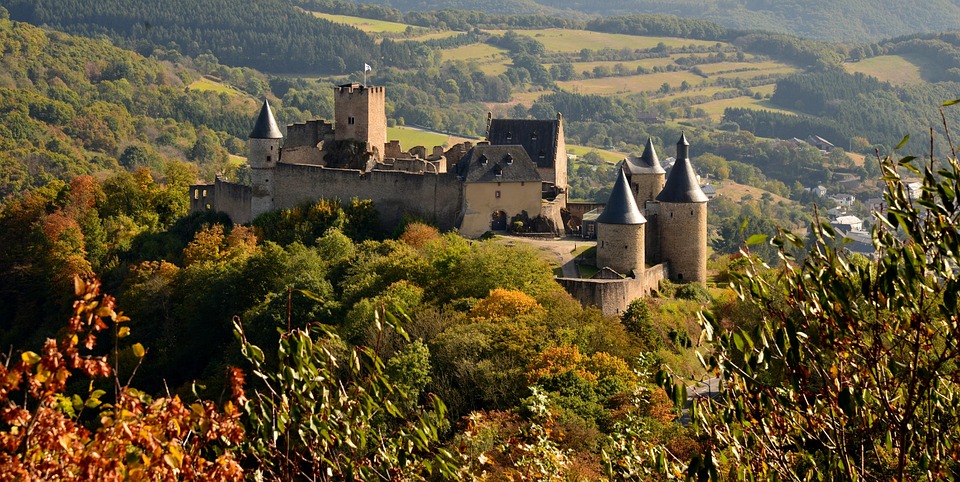
Luxembourg, often called “the Gibraltar of the North,” is a tiny European gem brimming with historic landmarks, vibrant culture, and a way of life that reverberates from centuries past. Nestled between Belgium, France, and Germany, Luxembourg showcases its fascinating blend of history, multicultural influences, and rich traditions. While small in size, this country’s offerings are anything but limited. From medieval castles and cobbled streets to world-class museums and modern structures, Luxembourg invites visitors to step into a storybook world.
If you’re planning your trip or considering this enchanting destination, this ultimate guide to Luxembourg’s history and culture will navigate you through the highlights, attractions, and immersive experiences that make the Grand Duchy truly unique.
A Brief Overview: Luxembourg’s Historical Timeline
Luxembourg has a rich history tracing back over 1,000 years. It originated as a humble fortification purchased in 963 by Count Siegfried. From this small beginning, Luxembourg grew to become one of Europe’s most strategically significant strongholds. Its location at the crossroads of major European powers led to frequent conflicts, changes in rulers, and various cultural amalgamations.
Fast-forward to the 19th and 20th centuries, Luxembourg transitioned into a modern constitutional monarchy, played vital roles during both World Wars, and eventually became a cornerstone founding member of the European Union (EU). Its long and tumultuous history is reflected in the country’s cultural fabric, architectural landmarks, and thriving economy today.
Cultural Highlights: A Fusion Across Borders
1. Multilingual Heritage
Luxembourg proudly embraces multiculturalism and multilingualism like no other country. The nation has three official languages—Luxembourgish (Lëtzebuergesch), French, and German. Depending on the setting, you may hear French in legal proceedings, German in print media, and Luxembourgish in everyday conversations. This linguistic diversity amplifies the cultural vibrancy of Luxembourg.
2. Luxembourg’s National Identity and Traditions
Though small, Luxembourg fiercely honours its traditions. National Day, celebrated on June 23rd, brings the country alive with music, parades, and fireworks. Additionally, folklore and community-focused celebrations, like the hopping procession of Echternach—recognised by UNESCO’s intangible heritage list—showcase the nation’s unique identity.
From culinary heritage to traditional music, Luxembourgers take pride in preserving their rich culture while embracing modernity.
Top Historical Landmarks in Luxembourg
To truly understand Luxembourg’s history, you’ll need to experience its castles, UNESCO sites, and museums that tell its story. Below are the must-visit landmarks for history buffs and casual travellers alike.
1. Luxembourg City’s Old Quarters and Fortifications (UNESCO World Heritage Site)
No visit to Luxembourg is complete without exploring Luxembourg City’s ancient quarters and defensive structures. Designated a UNESCO World Heritage Site in 1994, these fortifications, built and modified from the 10th century onward, offer a stunning glimpse into the country’s military history.
The Corniche, often referred to as “Europe’s most beautiful balcony,” provides panoramic views of the lower city and its fortress walls. Wandering along these old streets feels akin to stepping back in time.
2. Vianden Castle
Absolutely captivating, Vianden Castle is perhaps the country’s most iconic historical monument. Perched on a hill overlooking the River Our, this restored medieval castle combines Gothic and Romanesque architecture. Originally constructed between the 10th and 14th centuries, Vianden Castle played a critical role in regional power struggles.
Today, it hosts reenactments, festivals, and exhibitions that make history come alive for visitors of all ages.
3. Echternach Abbey and Basilica
Located near the German border, the Benedictine Abbey of Echternach tells the story of St. Willibrord, Luxembourg’s patron saint, who founded the monastery in 698 AD. The adjacent Basilica of St. Willibrord features stunning frescoes and intricate designs that reflect Luxembourg’s deep-rooted Christian heritage.
Don’t miss the quirky yet spiritual “hopping procession” here—part of a unique ritual rooted in centuries-old religious tradition.
4. Bock Casemates
These underground tunnels, carved into the city’s rocky cliffs, acted as hidden bunkers and storage areas during times of siege. The Bock Casemates are perfect for adventurers who want to explore Luxembourg’s military genius and gain fascinating insights into life during wartime.
Luxembourg’s Dining Culture: A Fusion Across Flavours
Luxembourg’s cuisine mirrors its multicultural nature and historical evolution. Heavily influenced by both the French and German kitchens, as well as the unique flavours of local traditions, the food scene in Luxembourg offers hearty, flavourful dishes.
1. Traditional Dishes You Must Try
- Judd mat Gaardebounen: A hearty dish of smoked pork collar served with broad beans and potatoes.
- Bouneschlupp: A warming green bean soup, often enjoyed during the colder months.
- Quetschentaart: A delectable plum tart that’s a Luxembourgish dessert staple.
2. Luxembourg’s Wine and Beer Culture
The Moselle Valley, bordering Germany, boasts some of Europe’s finest white wine vineyards. Riesling, Auxerrois, and Pinot Gris are the region’s flagship varieties. For beer lovers, try the local Bofferding or Diekirch brews—beloved by locals and visitors alike.
Museums of Note: Exploring Luxembourg’s Culture
Luxembourg’s museums provide a deep dive into the intersection of art, culture, and history:
- The National Museum of History and Art (MNHA): Featuring archaeological finds, ancient artefacts, and fine art.
- Mudam—The Museum of Modern Art: A striking architectural juxtaposition, focusing on contemporary works.
- The Luxembourg City History Museum: Explains the socio-historical evolution of the city over centuries.
Festivals and Events: Indulging in Luxembourg’s Celebratory Spirit
Luxembourg comes alive during its festivals and special events, many of which highlight the country’s vibrant culture and traditions:
1. Schueberfouer
One of Europe’s oldest fairs, dating back to 1340 and still celebrated every August in Luxembourg City. Perfect for families, this fair features arts, crafts, amusement rides, and local delicacies.
2. Wine Festivals in Moselle Valley
If you’re visiting in late summer or autumn, don’t miss the wine-harvest festivals in the Moselle wine region.
3. E-Lake Festival
This popular event blends music and nature along the shores of Echternach Lake. Spanning multiple genres, it’s a hotspot for music lovers.
Practical Tips for Exploring Luxembourg
- Getting Around: Public transportation is free of charge throughout the country, allowing you to easily explore towns and villages.
- Best Time to Visit: Late spring (May to early June) and autumn (September to early October) are ideal for pleasant weather and fewer crowds.
- Currency: As a member of the Eurozone, Luxembourg uses the Euro (€). Most venues accept credit/debit cards, but it’s wise to carry some cash for smaller establishments.
Nihosi Travels & Tours: Plan Your Luxembourg Adventure
To elevate your Luxembourg getaway, consider booking tailored travel packages through Nihosi Travels & Tours. Whether it’s a guided historical tour of Vianden Castle or a vineyard experience in the Moselle wine region, Nihosi Travels crafts unforgettable experiences that combine convenience with cultural enrichment.
Wrap-Up: Luxembourgers’ Hospitality Awaits
Luxembourg’s rich history, ingrained traditions, and inspiring modernity provide a travel experience unlike any other. From majestic castles and scenic landscapes to its culinary delights and celebratory festivals, Luxembourg offers something for every traveller. So, whether you’re a history enthusiast, cultural explorer, or leisure seeker, Luxembourg’s charm will leave you longing for more.
Ready to start your journey? Luxembourg’s treasures await. Pack your bags, and let the Grand Duchy fill your senses and soul.
FAQs: Exploring Luxembourg
To further assist you, here’s a quick FAQ section for your Luxembourg adventure:
Luxembourg isn’t just a destination; it’s an experience waiting to be uncovered. Let its history and culture transport you to a world where past, present, and future coexist in perfect harmony.










Subscribe To Our Newsletter
Join our mailing list to receive the latest news and updates from our team.
You have Successfully Subscribed!