
A Complete Travel Guide to Oman: Expert Tips and Unforgettable Experiences
Oman, often referred to as the “Jewel of Arabia,” is an enchanting Arabian Peninsula gem brimming with awe-inspiring landscapes, rich traditions, and warm hospitality. From its golden sand dunes to its lush wadis, bustling souks, ancient forts, and stunning coastline, Oman promises a unique travel experience for adventurers and relaxation-seekers alike. This travel guide will arm you with expert tips and essential recommendations to make your trip to Oman unforgettable.
Whether you’re venturing into the dramatic Al Hajar Mountains, wandering the ancient lantern-lit alleys of Muscat, or soaking up the beauty of pristine beaches, this complete guide will ensure you’re well-prepared. Oman isn’t just a place—it’s a feeling, beckoning travellers in search of culture, outdoor thrills, and authentic Arabian charm.
Why Visit Oman?
Not sure why Oman should top your travel list? Oman offers a perfect balance of tradition and modernity, nature and architecture. Here’s what makes Oman a world-class destination:
- Stunning Natural Diversity: From the turquoise waters of the Arabian Sea to sprawling deserts like the Empty Quarter, Oman is a paradise for explorers and photographers alike.
- Rich History & Culture: Oman’s history spans thousands of years, showcased through its UNESCO World Heritage Sites, ancient souks, and traditional craftsmanship.
- Safe and Hospitable: Omanis are known for their genuine hospitality, making it one of the safest and most welcoming countries for solo travellers and families.
- Adventure Destination: Trekking, dune-bashing, diving, sailing—the opportunities for adventure in Oman are endless.
When Is the Best Time to Visit Oman?
Ideal Travel Period
The best time to visit Oman is between October and April, when temperatures are cooler, ranging from 17°C to 30°C. During this time, you can comfortably explore deserts, hike mountains, and enjoy outdoor activities.
Avoid Summer
Oman’s summer months (May–September) can be scorching, with daytime temperatures frequently soaring above 40°C. While coastal areas like Salalah enjoy cooler monsoon weather during the period known as Khareef (June–August), sightseeing in central Oman and Muscat may feel too intense during these months.
How to Get to Oman
Flying into Oman
Oman is well-connected to major cities worldwide. The most common entry points are:
- Muscat International Airport (MCT): The country’s largest airport.
- Salalah International Airport (SLL): Best for accessing Oman’s southern Dhofar region.
Major airlines like Oman Air, Emirates, Qatar Airways, and British Airways regularly operate flights to Muscat from Europe, the Middle East, Asia, and beyond.
Visa Requirements
Most travellers will need a tourist eVisa, which can be easily applied for online. Here are some quick facts:
- Validity: Generally 30 days.
- Cost: $14-$52 depending on the visa type.
- Citizens from GCC (Gulf Cooperation Council) countries do not need a visa.
Pro Tip: Always check Oman’s visa regulations before travelling for updates.
Top Destinations in Oman
1. Muscat: The Charming Capital
Muscat is a harmonious blend of old and new, offering something for history lovers, culture enthusiasts, and foodies.
Don’t Miss:
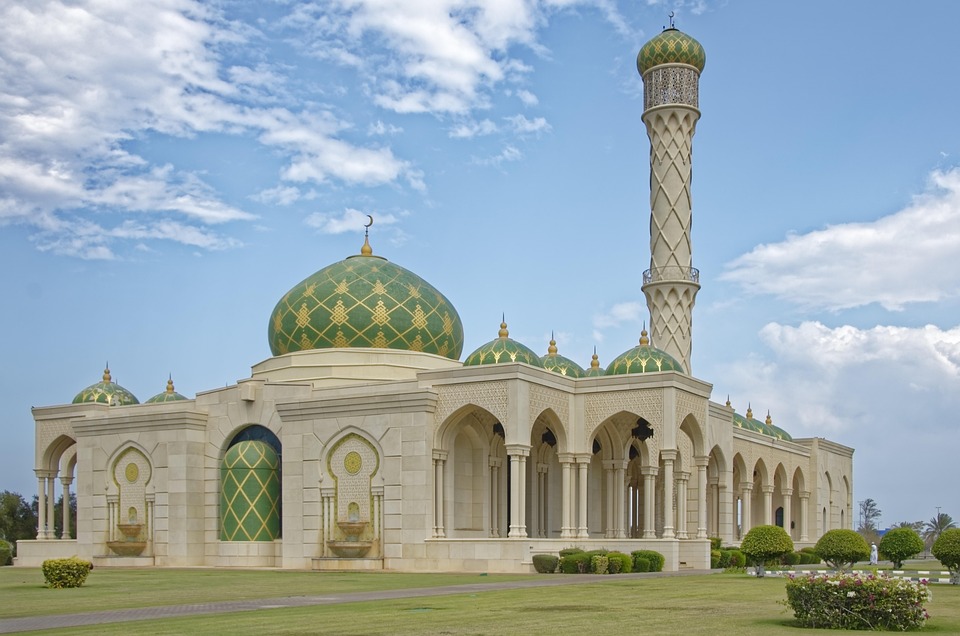
- Sultan Qaboos Grand Mosque: A marvel of Islamic architecture that’s open to non-Muslims during designated hours.
- Mutrah Souk: Find traditional Omani items, such as silver jewellery and frankincense.
- Royal Opera House: A cultural hub showcasing world-class performances.
- Al Alam Palace: A striking royal residence surrounded by 16th-century forts.
2. Nizwa: The Cultural Capital
Nestled at the base of the Al Hajar Mountains, Nizwa is famous for its atmospheric souk, Nizwa Fort, and its role as a centre for Oman’s Islamic culture.
Pro Tip: Visit on Friday mornings to witness the Nizwa Goat Market, a lively display of Omani tradition.
3. Wahiba Sands: Desert Dunes and Bedouin Life
The shifting golden dunes of Wahiba Sands are a dream come true for lovers of the desert. Head here for sandboarding, camel treks, and overnight stays in luxury camps beneath the stars.
Highlights:
- Dune Bashing: A thrilling 4×4 ride over towering dunes.
- Bedouin Encounters: Get to know the locals and their way of life.
- Stargazing: With almost no light pollution, Wahiba Sands offers spellbinding night skies.
4. Jebel Akhdar: Oman’s Green Mountain
Escape the heat by retreating to Jebel Akhdar, part of the Al Hajar range. Known as the “Green Mountain,” it’s ideal for nature lovers and hikers.
Activities:
- Hiking Trails: Explore terraced farms and ancient villages.
- Roses & Pomegranates: Visit in spring to see rose gardens bloom and try the region’s famous pomegranates.
5. Salalah and the Dhofar Region
Salalah is Oman’s lush southern city, transformed by the monsoon (Khareef) into a green oasis.
Must-See Attractions:
- Al Mughsail Beach: Famous for its blowholes.
- Wadi Darbat: Spectacular waterfalls and verdant landscapes.
Omani Cuisine: What to Eat
Omani food is a feast of aromatic spices and fresh, flavourful ingredients. Don’t leave Oman without trying:
- Shuwa: Lamb marinated with Omani spices and slow-cooked underground for hours.
- Majboos: A fragrant rice dish often served with chicken or fish.
- Halwa: A sweet delicacy made with rose water, saffron, and nuts.
- Karak Tea: A spiced milk tea popular throughout Oman.
Travel Tips for Oman
1. Respect Local Customs
Dress modestly and respect Islamic traditions. For women, a scarf may be useful for covering the head while visiting mosques.
2. Rent a Car for Freedom
Although Oman has a reliable public transport system, renting a car gives you the flexibility to explore long distances and off-the-beaten-path destinations. Ensure your rental includes GPS.
3. Cash or Card?
While major establishments accept credit cards, it’s wise to carry cash for rural areas and souks.
4. Language
Arabic is Oman’s official language, but English is widely spoken in tourist areas. Learning basic Arabic phrases such as “Shukran” (Thank you) shows cultural appreciation.
Adventure Activities in Oman
- Dive in Daymaniyat Islands: Spot colourful coral reefs, turtles, and even whale sharks.
- Canyon in Wadi Shab: Trek through turquoise pools and waterfalls.
- Sail the Musandam Peninsula: Known as the “Norway of Arabia,” its fjord-like terrain is one-of-a-kind.
FAQs About Travelling to Oman
1. Do I need travel insurance for Oman?
Yes, comprehensive travel insurance is recommended to cover medical emergencies and adventure accidents.
2. How many days do I need to explore Oman?
A week is ideal to cover the major highlights, while two weeks allow for a more relaxed, in-depth experience.
3. Is Oman safe for solo travellers?
Absolutely! Solo travellers, including women, frequently rate Oman as one of the safest places in the Middle East.
Plan Your Trip with Nihosi Travels & Tours
Let Nihosi Travels & Tours guide your adventure in Oman. From desert safaris to cultural tours, their expertise ensures you experience the very best Oman has to offer.
Conclusion:
Oman is a country that rewards travellers with its natural beauty, rich history, and unparalleled hospitality. Whether you’re seeking adventure, culture, or relaxation, Oman ticks all the boxes. So, pack your bags and prepare for a journey filled with extraordinary sights and unforgettable memories!











Subscribe To Our Newsletter
Join our mailing list to receive the latest news and updates from our team.
You have Successfully Subscribed!