
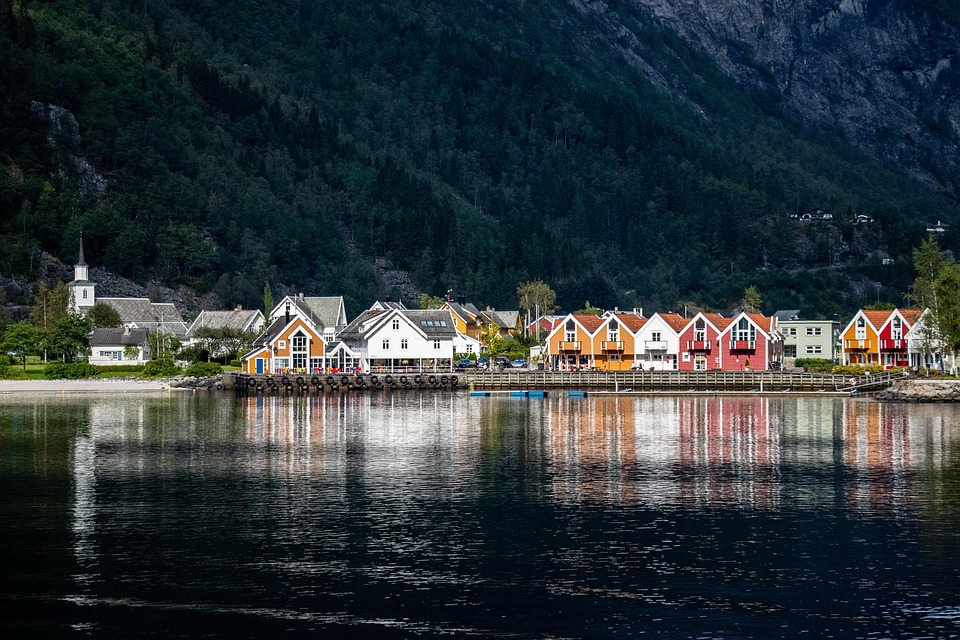
When you close your eyes and picture Norway, what springs to mind first? Towering cliffs that cast shadows over glistening waterways? Snow-capped mountains wrapping their protective arms around pristine valleys? Or perhaps fjords that stretch infinitely, crowned by skies so clear and blue it seems they’re painted by an artist? Norway’s fjords are among the earth’s most breathtaking natural wonders. Unanimously recognised as UNESCO World Heritage Sites, they lure travellers with their pristine beauty, elusive charm, and deep-rooted history.
If you’ve been dreaming of visiting the land of the Vikings, where dramatic fjord landscapes and untamed wilderness await, this ultimate guide is crafted with you in mind. Whether you’re an adventurer looking to kayak between towering cliffs or a serenity seeker yearning to cruise through shimmering waters, you’re about to uncover everything you need to explore Norway’s stunning fjords.
Why Should You Visit Norway’s Fjords?
Norway’s fjords are not just any waterways—they are unique geological marvels forged by glaciers. For thousands of years, these massive ice formations carved their way through the earth, leaving behind deep, steep-sided inlets surrounded by jaw-dropping cliffs and verdant landscapes. Today, these fjords are recognised globally for their scenic splendour, making them bucket-list destinations for travellers.
But fjords offer more than views. They hold cultural significance, with ancient Viking settlements and traditions rooted within their regions. Modern-day communities thrive along these waterways, offering visitors a glimpse into timeless Scandinavian heritage.
Did you know? The word “fjord” originates from the Old Norse “fjörðr,” meaning “a place that ferries across.” The fjords were once vital trade routes for Norwegians—a lifeline for transporting livelihood and goods.
Best Time to Visit Norway’s Fjords
Timing is everything when exploring Norway’s fjords, and you’re in luck—there’s no “wrong” time to visit. However, the experience you’re seeking may determine the best season for your adventure.
Spring (April-May)
As nature awakens from its long winter slumber, the madness of spring begins. Melting snow cascades down mountains, forming resounding waterfalls that enhance the ethereal beauty of fjords like the Geirangerfjord. Spring offers mild weather and blooming landscapes, making it a fantastic time for photographers.
Summer (June-August)
For first-time travellers, summer is the most popular season. Daylight hours stretch endlessly because of the Midnight Sun—where the sun never fully sets in northern areas. This phenomenon allows plenty of time for outdoor adventures such as hiking, kayaking, or fjord cruises. The crowd levels tend to swell, especially in June and July. Book ahead of time!
Autumn (September-October)
Fewer crowds and vibrant autumn foliage make this an ideal season for enjoying Norway at a slower pace. The fjords become tinged with golden hues, complementing their azure waters. September is particularly great for wildlife spotting, as migratory bird species pass through during this transition.
Winter (November-March)
The magic of Norway is unmissable in the winter. The fjords, surrounded by snow-draped mountains, become mystical. This is also the best time to witness the Northern Lights, particularly in regions like Troms or further north. Travel here is slightly more challenging due to snowy conditions, but with proper planning, it’s well worth it.
Top Fjords to Visit in Norway
With over 1,000 fjords scattered throughout the Norwegian coastline, deciding where to start can seem overwhelming. Let’s explore some of the must-visit fjords that capture Norway’s soul.
1. Geirangerfjord (UNESCO World Heritage Site)
Arguably the most famous fjord in Norway, Geirangerfjord is a fairy-tale destination. Characterised by thundering waterfalls—like Seven Sisters and The Suitor—it’s a haven for cruise enthusiasts and hiking lovers alike. The surrounding mountains offer several challenging yet rewarding trails, such as the hike to Skageflå Farm.
- Pro Tip: Take a fjord cruise as it’s the best way to admire Geirangerfjord’s towering cliffs and cascading waterfalls up close.
2. Sognefjord (The King of Fjords)
Known as the longest and deepest fjord in Norway (204 kilometres long and 1,308 metres deep), the Sognefjord is aptly named the “King of the Fjords.” Surrounded by charming villages like Flåm, the Sognefjord is ideal for catching a scenic rail journey on the Flåm Railway or visiting the UNESCO-listed Nærøyfjord.
- Epic Route: Combine a Fjord cruise with hiking in Jotunheimen National Park for breathtaking mountain views.
3. Hardangerfjord (The Orchard of Norway)
Lush and green, the Hardangerfjord region bursts alive with fruit blossoms in spring. Known for its apple cider production and stunning hiking opportunities, Hardanger combines natural beauty with a cultural twist. Trolltunga, a dramatic rock formation that juts out over the landscape, is here—one of Norway’s iconic hiking destinations.
4. Lysefjord (Adventure Awaits)
Are you daring enough to step out onto Preikestolen (Pulpit Rock) or hike Kjeragbolten, the boulder suspended between cliffs? Then Lysefjord, located near Stavanger, should be on your itinerary. This adventure-packed fjord is for adrenaline seekers looking for jaw-dropping views and spine-tingling activities.
Activities You Can’t Miss in Norway’s Fjords
Beyond striking Instagram-worthy photos, Norway’s fjords offer all kinds of adventures:
1. Fjord Cruises and Kayaking
Cruising through the fjords is the easiest way to soak in the landscapes. Companies like Fjord Tours host organised tours that range from luxury cruises to personal, small-group excursions. Feeling adventurous? Rent a kayak and paddle through the mirror-like waters for an up-close experience.
2. Hiking Adventures
Norway is an outdoor enthusiast’s paradise, with hiking trails for all levels. Whether it’s Trolltunga, Preikestolen, or Reinebringen, hiking rewards you with unparalleled vistas. Pack sturdy shoes, a windproof jacket, and water when heading out.
3. Chasing Waterfalls
Norway’s fjords are adorned with some of the world’s most stunning waterfalls. Explore Vøringsfossen, located near the Hardangerfjord, or catch the mystical Seven Sisters along Geirangerfjord.
Stress-Free Travel Tips for Exploring the Fjords
Visiting Norway’s fjords may seem like a dream, but with the right know-how, it’s incredibly achievable.
- Getting Around: Public transport, including ferries, buses, and trains, is well-organised and wallet-friendly thanks to Norway’s focus on sustainable tourism.
- Accommodation: From rustic mountain cabins to luxury boutique hotels, there’s an option to suit your style. For an authentic Scandinavian experience, try a rorbu (traditional fisherman’s cabin).
- Eco-Friendly Travel: Norway takes sustainability seriously. Look for eco-certified tours (marked with the “Swan Label”) to reduce your impact when visiting.
FAQs About Norway’s Fjords
1. What is the best way to see the fjords?
The ideal way depends on your travel style. Fjord cruises offer a serene and leisurely option, while car journeys along scenic routes like the Atlantic Ocean Road provide iconic experiences.
2. How many days do I need to explore Norway’s fjords?
To fully appreciate the fjords, plan for at least 7-10 days.
3. Can I see fjords in winter?
Yes! Although certain routes may close, many fjords remain accessible in winter, offering a unique charm under snowy conditions.
For more detailed travel recommendations, visit www.nihositravels.com to plan your next fjord adventure.
Norway’s fjords are more than just destinations—they are life-changing experiences. Whether you’re marvelling at towering cliffs, hiking through rugged trails, or learning about Viking heritage, you’ll return home enchanted. Your adventure beckons—are you ready?










Subscribe To Our Newsletter
Join our mailing list to receive the latest news and updates from our team.
You have Successfully Subscribed!