
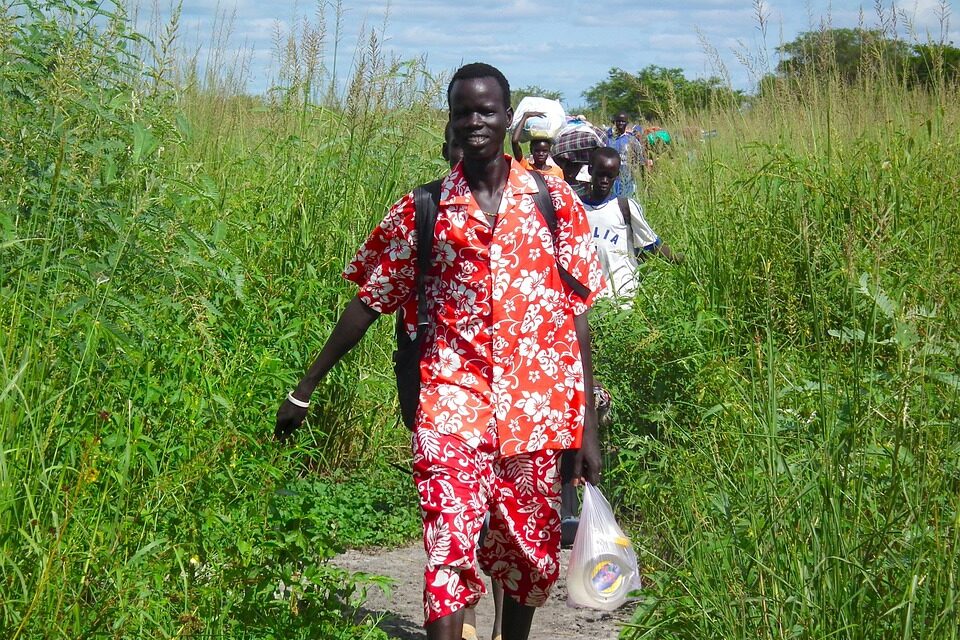
When you think of travel destinations brimming with history, natural beauty, and authentic adventures, Sudan might not be the first name that springs to mind. But this underrated gem in northeast Africa is a treasure trove of cultural heritage and diverse landscapes, waiting to ignite the adventurous spirit of every traveller. If you’re ready to dive into a world that’s off the beaten path, Sudan is ready to amaze you. In this guide, we’ll unravel must-know travel tips, iconic attractions, and everything you need to ensure a seamless journey through this incredible country.
Why Visit Sudan?
Imagine standing in the majestic shadow of ancient pyramids, soaking in the vast beauty of the desert, or mingling with warm, hospitable locals eager to share their traditions. Sudan offers these experiences and much more. Whether you’re a seasoned explorer or venturing beyond your comfort zone for the first time, Sudan is a country that satisfies your curiosity.
Unlike over-commercialized tourist hubs, Sudan remains raw, untouched, and authentic. With a fascinating history spanning back to the Nubian kingdom, a chance to explore lesser-known UNESCO World Heritage Sites, and warm, genuine communities, Sudan is a haven for travellers who crave truly unique encounters.
Top Travel Tips for Visiting Sudan
Travelling to Sudan is unlike planning a trip to any other holiday hotspot. Here are some must-know travel tips to make your adventure in Sudan comfortable, stress-free, and memorable.
1. Visa Requirements & Entry
Sudan has specific entry requirements for visitors, so securing your visa ahead of time is a must. Most travellers need a visa to enter, which can usually be obtained from Sudanese embassies or consulates in your home country. Double-check the specific requirements for your nationality, which often include:
- A valid passport with at least six months’ validity
- Passport photos
- Copies of accommodation bookings or travel itineraries
- An invitation letter (in some cases)
Pro Tip: If you’re planning a trip via Nihosi Travels & Tours, they can assist with facilitating your travel visa and ensure everything goes smoothly!
2. Getting Around
Sudan’s infrastructure is still developing, but navigating the country is part of the adventure! Public transport may not be the most reliable, but hiring a private driver or booking transport through a tour operator is highly recommended for efficiency and safety. Local buses, known as matatus, can also connect you to different cities, but they’re best suited for seasoned travellers familiar with African routes.
Domestic Flights: For longer distances, domestic flights, like Khartoum to Port Sudan, save travel time and make exploring farther regions more accessible.
3. Cultural Sensitivity
Sudan is a predominantly Muslim country, and respecting local traditions and culture is crucial for a pleasant experience. Here are some basic dos and don’ts:
- Dress conservatively: Women should wear loose clothing that covers the shoulders and knees. Men also need to avoid overly casual attire like tank tops or shorts.
- Photography etiquette: Always ask for permission before photographing locals, especially in villages or markets.
- Respect prayer times: Be mindful of mosques and avoid interrupting prayers.
Being culturally sensitive not only shows respect, but it also fosters meaningful connections with Sudanese people.
4. Money Matters
When travelling in Sudan, remember that cash is king. Credit and debit cards aren’t widely accepted, particularly outside of major cities like Khartoum. It’s best to bring US dollars or Euros in pristine, unmarked notes to exchange for Sudanese pounds (SDG).
- Currency exchange tips: Exchange money at official banks or licensed exchange offices to avoid counterfeit notes.
- Budgeting: Sudan is relatively inexpensive for travellers, but it’s always wise to have extra cash for emergencies or unexpected adventures.
5. Best Times to Visit
Sudan experiences extreme temperatures due to its arid climate, so timing your trip is crucial. The cooler months from November to February are ideal for exploring comfortably, with average daytime temperatures ranging from 20–30°C. Avoid visiting during the sweltering summer months (May to September), where mercury levels can soar above 40°C.
Iconic Attractions You Can’t Miss
Sudan is home to spectacular historical sites, mesmerising natural wonders, and welcoming communities that truly embody the spirit of adventure. Here are the must-visit attractions:
1. Nubian Pyramids in Meroe
Move over, Egypt! Sudan boasts more pyramids than its northern neighbour, many located in the iconic Meroe region. The pyramids of Meroe are a breathtaking reminder of the Nubian Kingdom’s grandeur, and they’re much less crowded than their Egyptian counterparts. Set against an otherworldly desert backdrop, these ancient structures tell stories of powerful pharaohs, intricate traditions, and a thriving civilisation.
Pro Tip: Visit during sunrise or sunset for stunning photographs with fewer tourists—you might even have the entire site to yourself.
2. Khartoum: The Heartbeat of Sudan
No trip to Sudan is complete without exploring its bustling capital, Khartoum. This vibrant city sits at the confluence of the Blue and White Nile Rivers, forming one of the world’s most legendary waterways, the Nile River.
Must-See Activities in Khartoum:
- National Museum of Sudan: Dive into the country’s fascinating past with exhibits showcasing artefacts, murals, and relics from Nubian times.
- Omdurman Souq: A sensory explosion of sights, sounds, and smells, this market is the perfect place to shop for traditional trinkets, spices, and textiles.
- Whirling Dervishes: Every Friday evening, watch the famous Sufi ritual as dervishes perform their spiritual dances in Omdurman.
3. The Red Sea Coast in Port Sudan
For water enthusiasts, the pristine waters of Port Sudan offer some of the best diving and snorkelling opportunities in the world. The marine biodiversity here rivals even that of the Red Sea in Egypt, with vibrant coral reefs, exotic fish species, and even the chance to spot manta rays.
Be sure to visit Sanganeb National Park, a UNESCO-listed marine reserve that protects these dazzling underwater ecosystems.
4. Jebel Barkal and the Napatan Region
Designated as a UNESCO World Heritage Site, Jebel Barkal is a small mountain surrounded by archaeological wonders. It was considered sacred by ancient Nubians, and its stunning location by the Nile makes it a serene and spiritually charged place to visit.
Nearby Napatan ruins and temples serve as a treasure trove for history buffs eager to uncover the legacy of Sudan’s ancient kingdoms.
5. Explore the Eastern Desert
For intrepid travellers, the Eastern Desert offers rugged beauty, remote camel treks, and encounters with traditional nomadic tribes. Guided tours provide an in-depth look at this lesser-visited part of the country, where dramatic rock formations and endless horizons encapsulate Sudan’s wild side.
Safety Considerations Before Travelling to Sudan
Sudan is a rewarding destination but travelling there requires preparation, particularly regarding safety. Here’s what you need to know:
- Check Travel Advisories: Always stay updated on travel advisories issued by your government.
- Travel Insurance: Comprehensive travel insurance is a must, covering health emergencies, cancellations, and unexpected situations.
- Health Precautions: Vaccinations for hepatitis, typhoid, and yellow fever are recommended. Bring any personal medications, as pharmacies may have limited stock.
Quick Dos and Don’ts in Sudan
DO:
- Respect cultural etiquette, particularly during Ramadan.
- Carry your passport and any required permits at all times.
- Pack light, breathable clothing suitable for desert climates.
DON’T:
- Discuss politics or sensitive topics openly.
- Venture off-the-beaten-path without a guide.
FAQs About Travelling in Sudan
1. Do I need special permits to visit Sudan’s archaeological sites?
Yes, certain sites may require permits. Check with local authorities or opt for tours from trusted operators like Nihosi Travels & Tours.
2. Is Sudan safe for female solo travellers?
While Sudan is generally safe, female travellers should travel in groups where possible and dress modestly to avoid unwanted attention.
3. Are there vegetarian food options?
Sudanese cuisine is meat-heavy, but vegetarian options such as falafel, lentils, and flatbreads (kisra) are widely available.
Conclusion: Sudan, A Hidden Treasure of Adventure
Sudan encapsulates the essence of authentic travel. From its awe-inspiring archaeological wonders to its welcoming local communities, this is a destination where you can truly connect with history, nature, and humanity. Whether you’re diving in the Red Sea or standing in awe of the Nubian pyramids, every moment in Sudan feels like an adventure waiting to unfold.
So, ready to pack your bags? Let Nihosi Travels & Tours help make your journey to Sudan seamless, unforgettable, and filled with magical encounters. Adventure awaits!









Subscribe To Our Newsletter
Join our mailing list to receive the latest news and updates from our team.
You have Successfully Subscribed!