
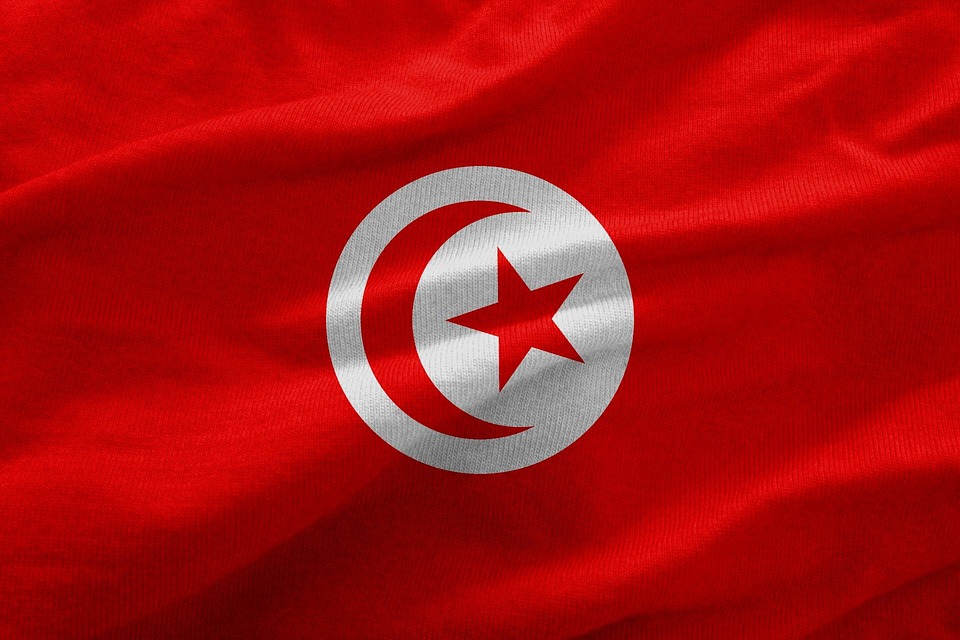
Tunisia, a jewel of North Africa, beckons travellers with its captivating blend of history, culture, and natural wonders. From the golden sands of the Sahara to the azure waters of the Mediterranean, this country has something to offer every kind of explorer. But to experience the real Tunisia, one must delve deeper than just its popular tourist attractions. This guide will reveal exclusive travel tips to ensure your Tunisian adventure is not only unforgettable but also genuinely enriching.
Whether you’re an avid history buff, a foodie, or an intrepid solo traveller, Tunisia offers an unparalleled escape. Dive in to discover the ultimate guide to unlocking Tunisia, with expert insights, must-see destinations, and travel hacks to make every moment magical.
Why Visit Tunisia? A Historical and Natural Wonderland
Known as the gateway to the Sahara, Tunisia is a country steeped in history, juxtaposed against its natural splendour. Imagine wandering the ancient ruins of Carthage, strolling through bustling souks scented with exotic spices, or relaxing by pristine beaches, where the turquoise waves kiss the coast.
Tunisia masterfully bridges its millennia-old heritage with modern vibrancy. Its Roman amphitheatres rival those in Italy, while its Medinas exude authentic charm that feels untouched by time. Whether you’re chasing desert sunsets, marvelling at Islamic architecture, or unwinding at luxurious coastal retreats, Tunisia promises a kaleidoscope of experiences.
But what can make or break your adventure? Smart planning. Here’s how to travel Tunisia like a pro.
1. Best Times to Visit Tunisia: Seasons Matter
Tunisia’s diverse geography means the experience heavily depends on the time of year you visit. The climate is Mediterranean along the coast but becomes arid as you venture inland.
-
Spring (March to May): Widely considered the best time to visit. Temperatures are mild, nature is in full bloom, and it’s an ideal season for sightseeing. Picture lush valleys and cooler days while exploring ancient landmarks without the crowds.
-
Autumn (September to November): Another fantastic period to enjoy Tunisia. The weather is warm but less oppressive than the summer months, and the sea temperatures are perfect for swimming.
-
Summer (June to August): Coastal destinations like Hammamet and Sousse thrive during the summer. Beaches are lively, with plenty of activities, although the Sahara regions can be scorching.
-
Winter (December to February): If you love a quieter, more introspective journey, winter is excellent for desert treks and city exploration. Temperatures are cool, making camel safaris in the Sahara comfortable.
2. Navigating Tunisia: Transportation Tips
Getting around Tunisia can initially feel like venturing into the unknown, but its transport system is relatively efficient. Options include trains, buses, louages (shared taxis), and rental cars.
-
Trains: Operated by SNCFT, Tunisia’s trains are affordable and reliable for intercity travel. The coastal routes—such as Tunis to Sousse or Monastir—are scenic and comfortable.
-
Louages (Shared Taxis): Louages are a quintessential Tunisian transport experience. These shared taxis operate between towns and cities, departing only when full. They’re budget-friendly and give you a glimpse into local life.
-
Renting a Car: Want more freedom? Renting a car is a great option, especially for exploring remote areas like the Sahara or mountain oases. Just remember that Tunisian roads work on patience—traffic can be chaotic.
Pro Tip: For personalised guided tours and expert recommendations, explore travel packages on Nihosi Travels & Tours. From Sahara expeditions to Medina exploration, they cater to every kind of traveller.
3. Exploring Tunisia’s Diverse Wonders: Top Attractions
The richness of Tunisia lies in its versatility. From ancient ruins that transport you back in time to contemporary cultural hubs, here are the can’t-miss destinations.
A. Ancient Heritage
-
Carthage: Once the seat of the illustrious Carthaginian Empire, this UNESCO World Heritage Site near Tunis invites you to unravel legends of Hannibal and the Punic Wars.
-
El Jem Amphitheatre: Second only to Rome’s Colosseum, El Jem is remarkably well-preserved, offering a glimpse into Roman Tunisia. Wander its vast corridors and picture the roaring crowds cheering gladiatorial contests.
-
Dougga: Often overlooked by tourists, Dougga is a stunning Roman city nestled amid scenic hills. Unlike Carthage, this site feels almost undiscovered, enhancing its charm.
B. Natural Wonders
-
Sahara Desert: A visit to Tunisia is incomplete without exploring the Sahara. Base yourself in the town of Douz, known as the “Gateway to the Sahara.” For a truly unforgettable experience, book an overnight camel trek and sleep under the stars.
-
Chott El Jerid: A surreal salt lake that shimmers in hues of pink and green, especially during sunrise and sunset. Watch out for the optical illusions!
-
Oases of the South: Tozeur and Chebika offer mesmerising contrasts—think lush palm groves springing out of arid deserts, complete with cascading waterfalls.
C. Coastal Escapes
-
Sidi Bou Said: This postcard-perfect town, with its blue and white houses perching on a hill overlooking the Mediterranean, is the epitome of romance and tranquillity.
-
Hammamet: Known for its beaches and luxurious resorts, Hammamet is perfect for relaxation. Explore the Medina and enjoy fresh seafood along its bustling promenade.
-
Djerba Island: Off the southern coast, Djerba encapsulates Tunisia’s laid-back charm. Visit the El Ghriba Synagogue, explore Berber villages, and immerse yourself in its art scene.
4. Tunisian Cuisine: A Feast for the Senses
Tunisia’s culinary heritage is as diverse as its landscapes. Influenced by Berber, Arabic, Mediterranean, and French traditions, the dishes are bursting with flavour. Here’s what you must try:
-
Couscous: Tunisia’s national dish. Served with tender meats, seafood, or vegetables and often paired with spicy harissa sauce.
-
Brik: A crispy pastry stuffed with egg, tuna, and herbs. Easily found in street stalls and restaurants.
-
Lablabi: A warm and comforting chickpea soup spiced with cumin and garlic—perfect for winter mornings.
-
Dates & Pastries: Tunisia is renowned for its sweet dates, especially the deglet nour variety. Don’t miss sampling makroudh—a date-filled semolina pastry.
5. Culture and Etiquette: Travel Responsibly in Tunisia
Tunisians are known for their warmth and hospitality. However, understanding local customs is key to respectful and enriching travel.
-
Dress Modestly: While urban areas like Tunis are relatively liberal, more conservative attire is appreciated in rural locations and religious sites.
-
Learn Basic Phrases: Greet locals with “As-Salaam-Alaikum” (peace be upon you). A little Arabic or French goes a long way!
-
Photography: Always ask permission before photographing people or sensitive locations like places of worship.
Pro Tip: Plan culturally immersive experiences with Nihosi Travels & Tours, like participating in olive harvesting or pottery workshops.
6. Safety and Practical Tips
-
Currency: Tunisia’s currency is the Tunisian Dinar (TND). Always have cash handy, as many markets and small vendors don’t accept cards.
-
Language: Arabic is the official language, though French is widely spoken. English is less common in rural areas.
-
Wi-Fi and SIM Cards: Free Wi-Fi is available in most hotels and cafes. For seamless internet access, buy a local SIM card upon arrival.
-
Tipping: Not mandatory but appreciated. In restaurants, leaving a 5-10% tip is customary.
Frequently Asked Questions (FAQs)
1. What are the COVID-19 regulations for travel to Tunisia?
As of 2023, check Tunisia’s Ministry of Health website for up-to-date guidelines on vaccinations and testing requirements.
2. Is Tunisia safe for solo female travellers?
Yes, Tunisia is generally safe for solo travellers, but it’s wise to exercise standard caution, especially at night or in sparsely populated areas.
3. Can I use USD or Euros in Tunisia?
While large resorts might accept foreign currency, everyday transactions require Tunisian Dinar. Currency exchange centres are abundant.
Tunisia is a captivating blend of old-world charm and modern adventure. Whether you’re relaxing on its golden shores or chasing history in its ancient ruins, your journey through Tunisia will be one for the books. Ready to unlock the mysteries of this North African gem? Start planning your Tunisian escape today, and let Nihosi Travels & Tours help make your dream adventure a reality!










Subscribe To Our Newsletter
Join our mailing list to receive the latest news and updates from our team.
You have Successfully Subscribed!