
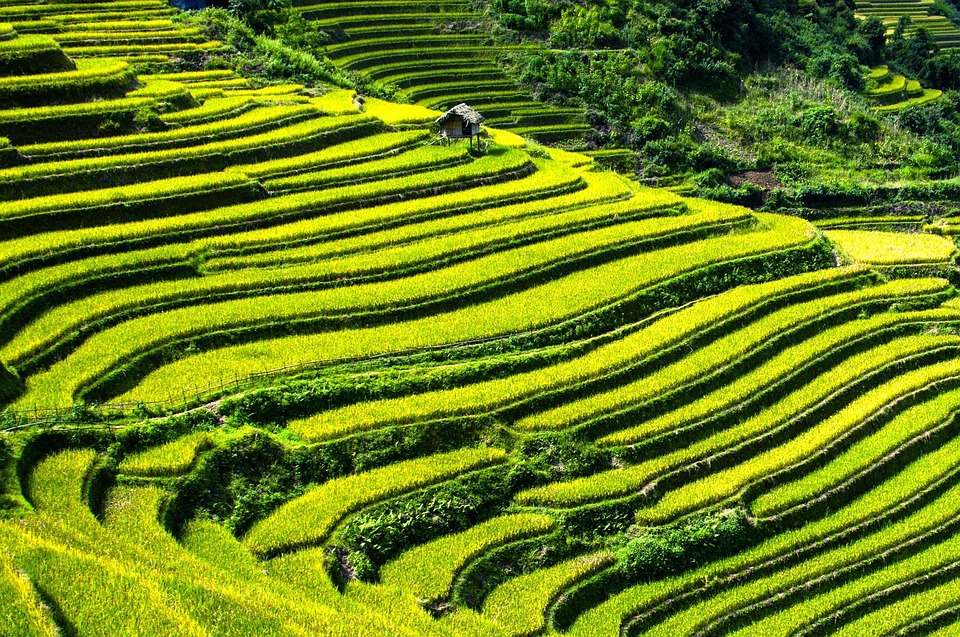
Vietnam, a land of staggering natural beauty and cultural excellence, offers much more than the well-trodden paths of bustling cities, ancient temples, and famous tourist destinations. From the misty peaks of the north to sun-kissed beaches in the south, Vietnam offers a treasure trove of hidden villages and scenic routes that allow adventurous travellers to discover a different side of this Southeast Asian gem.
If you’re seeking unique travel experiences, the road less travelled in Vietnam might just be what you need. This guide will take you through some off-the-beaten-path villages, breath-taking landscapes, and scenic routes brimming with charm and tranquillity, offering more than wanderlust-driven Instagram photos—it promises memories that will linger for a lifetime.
Why Venture Off the Beaten Path?
When you step off the usual tourist trails, you experience Vietnam in its most authentic and unspoiled form. The hidden villages and scenic routes are devoid of large crowds, giving you a chance to interact with locals, embrace their way of life, and immerse yourself in nature’s splendour. The roads less travelled have a raw, unfiltered beauty—a peaceful escape from the modern hustle and bustle.
Exploring these tranquil spots will give you a glimpse into rural Vietnam—its culture, cuisine, and traditions—all while enjoying some of the most stunning and secluded scenery found anywhere in the world. Ready to explore Vietnam’s hidden treasures? Let’s begin.
1. Bai Tu Long Bay: A Serene Escape from Ha Long Bay
If you’ve heard of Ha Long Bay, you likely know it as a UNESCO World Heritage site with emerald waters and looming limestone karsts. However, this famous bay can often feel crowded. For a quieter alternative, head north to Bai Tu Long Bay, a lesser-known area offering similar breath-taking views with far fewer tourists.
Highlights of Bai Tu Long Bay:
- Secluded Beaches: Discover hidden sandy coves perfect for sunbathing or quiet picnics.
- Floating Villages: Visit fishing communities like Vung Vieng Village and experience their unique lifestyle.
- Eco-Tours: Kayak through caves and lagoons or book a traditional cruise that adheres to sustainable tourism standards.
Pro Tip: Plan your visit in the shoulder seasons (September to November or March to May) for ideal weather and fewer travellers.
2. The Enchanting Village of Duong Lam
Just an hour from bustling Hanoi, the village of Duong Lam offers a captivating glimpse into Vietnam’s ancient rural traditions. Known as the “Land of Two Kings,” this picturesque spot is home to well-preserved architecture that dates back over 1,200 years.
Why Duong Lam Deserves a Stop:
- Historic Houses: Wander through lanes of weathered, red-brick houses and temples built centuries ago.
- Local Cuisine: Savour authentic dishes such as “che lam” (sweetened rice cake) and traditional soy sauce crafted by the locals.
- Cultural Significance: Visit Mia Pagoda, one of Vietnam’s oldest and most revered temples.
Getting There: Rent a bicycle in Hanoi and pedal your way to this tranquil village for an invigorating ride through Vietnam’s lush countryside.
3. Ha Giang Province: A Road Trip Through Heaven
For those with a heart for adventure, Ha Giang Province in northern Vietnam offers one of the most scenic drives in the world. Known for its twisting mountain roads, jaw-dropping landscapes, and ethnic diversity, Ha Giang is a slice of heaven for road-trippers.
Must-See Stops Along the Ha Giang Loop:
- Dong Van Karst Plateau: A UNESCO Global Geopark featuring majestic limestone formations and surreal mountain views.
- Ma Pi Leng Pass: Often referred to as Vietnam’s most dangerous but stunning road, this stretch will take your breath away.
- Local Markets: Experience vibrant markets like Meo Vac, where ethnic minorities sell handicrafts, textiles, and fresh produce.
Tip for the Journey: Plan at least 4–5 days to fully enjoy the Ha Giang loop. Rent a motorbike in Ha Giang city to explore the winding roads at your own pace.
4. Pu Luong Nature Reserve: A Hidden Paradise
Trek through Pu Luong Nature Reserve, located in Thanh Hoa Province, and you’ll feel as though you’ve stumbled upon a fairytale. This untouched region is home to rolling rice terraces, lush vegetation, and quiet ethnic villages.
Adventures in Pu Luong:
- Hiking Trails: Take on trails leading through rice paddies, bamboo forests, and Tha village.
- Homestays: Immerse yourself in local culture by staying in a stilt house with a local family.
- Waterwheels & Streams: Discover the traditional bamboo waterwheels that irrigate this beautiful region.
When to Visit: Make your trip from May to June or September to October for the golden hues of rice harvest season.
5. Mekong Delta’s Hidden Gems: Tan Phong Island
While the Mekong Delta is a famous destination, not all of its treasures are well-known. Tan Phong Island, nestled within this watery wonderland, captivates anyone who ventures onto its shores with its orchards, waterways, and verdant landscapes.
Things to Do in Tan Phong Island:
- Cycling Tours: Ride under a canopy of tropical fruit trees, passing quaint villages.
- Cooking Classes: Learn how to whip up delicious Vietnamese dishes like “goi cuon” (spring rolls) using ingredients fresh from local farms.
- Boat Rides: Drift along peaceful canals on a sampan (traditional boat).
6. The Coastal Beauty of Quy Nhon
A coastal city in Binh Dinh Province, Quy Nhon is an undiscovered gem. Flanked by beautiful beaches and hidden coves, this city offers a mix of relaxation and adventure.
Top Reasons to Visit Quy Nhon:
- Eo Gio: A scenic, curved beach surrounded by rugged cliffs.
- Ky Co Beach: Known for its turquoise waters and powdery sands.
- Thap Doi Towers: Witness Cham architectural relics dating back hundreds of years.
Practical Tips for Exploring Vietnam’s Hidden Villages
If you’re planning to explore these hidden gems, here are a few tips to help you make the most of your journey:
- Pack Smart: Comfortable walking shoes, sunscreen, and a map (offline version) are a must for exploring remote areas.
- Respect Local Customs: Dress modestly and always ask for permission before taking photos of people or private property.
- Hire a Local Guide: To navigate lesser-known spots, enlist the help of local experts who know the terrain and culture intimately.
FAQ Section (Optimised for Featured Snippets)
1. How do I find hidden villages in Vietnam?
Research online travel forums, blogs like Nihosi.com, or take advice from local guides during your journey. Tour operators, such as Nihosi Travels & Tours, also offer curated itineraries for offbeat travels.
2. What’s the best time of year to explore these routes?
The dry season (November to April) is ideal for trekking and outdoor activities, but those fond of lush landscapes may prefer the rainy season’s verdant views.
In conclusion, Vietnam’s hidden villages and scenic routes offer landscapes and experiences unmatched by the more popular tourist destinations. Whether winding through mountain roads, cycling past rice paddies, or paddling through serene waterways, these less-travelled paths are perfect for the intrepid traveller.
So pack your bags, chart your course, and discover Vietnam’s rich tapestry of culture, nature, and adventure—the road awaits you!











Subscribe To Our Newsletter
Join our mailing list to receive the latest news and updates from our team.
You have Successfully Subscribed!