
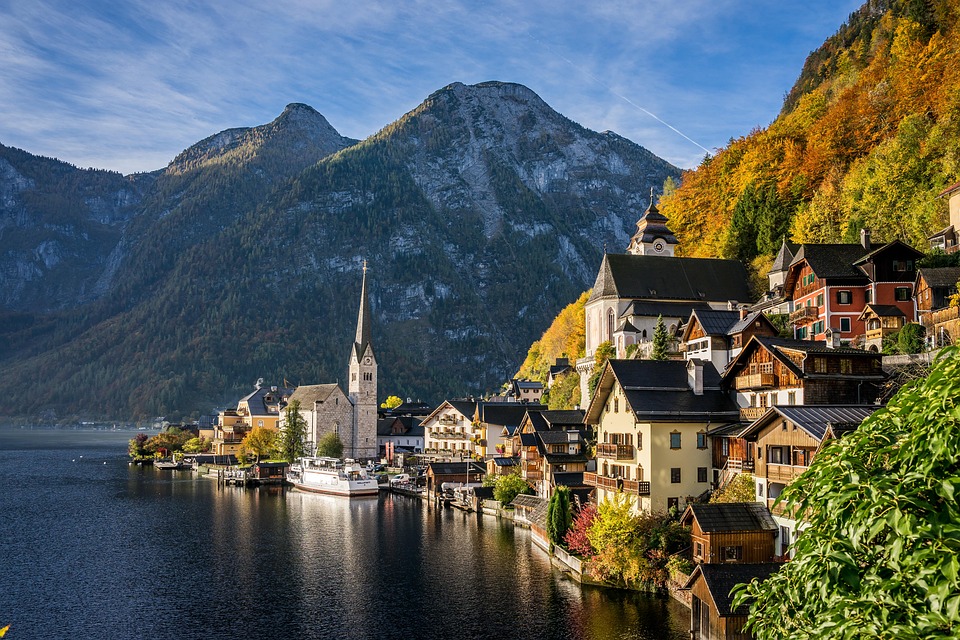
If you have ever found yourself daydreaming about crisp alpine air, the clinking of porcelain cups in historic coffee houses, or the dramatic sweep of snow-capped peaks giving way to emerald-green valleys, Austria should be at the very top of your travel list. This landlocked European gem has long been celebrated for its seamless blend of old-world imperial sophistication and breathtaking natural beauty. But today, Austria is undergoing a fascinating transformation. It is actively redefining what it means to be a world-class destination, moving beyond the traditional postcard images to offer deeply immersive, sustainable, and surprisingly accessible experiences.
Whether you are an adrenaline junkie seeking untouched powder runs, a history buff eager to walk the same halls as Mozart and Klimt, or a foodie ready to explore the farm-to-table revolution in the countryside, understanding the current travel trends in Austria will completely transform how you plan your trip.
In this comprehensive, evergreen guide, we are going to explore the emerging movements shaping Austrian tourism. From eco-conscious alpine villages and the slow travel revolution to brilliant budget hacks and tech-enhanced cultural sites, we will give you the insider knowledge needed to craft an Austrian escapade that is authentic, unforgettable, and perfectly tailored to your travel style. Grab a virtual Melange (Viennese coffee), and let’s begin.
Why Austria Belongs on Your Travel Radar Today
Austria consistently ranks among the world’s most desirable destinations, and for good reason. It offers a rare, harmonious mix of high culture, outdoor adventure, and culinary excellence. But what makes the country so particularly compelling right now is a distinct shift in how it welcomes visitors. The modern travel landscape in Austria is defined by three powerful pillars:
- A Modern Travel Renaissance: Austria has thoughtfully used recent years to rethink its tourism model. There is a massive, nationwide push toward sustainability, community-led tourism, and preserving the delicate alpine ecosystems that make the country so beautiful, ensuring that tourism actively benefits local residents rather than overwhelming them.
- A Living Cultural Calendar: Austria does not just preserve its history in museums; it lives it. From the world-renowned Salzburg Festival and the magical Viennese Ball Season to regional harvest celebrations, the country’s calendar is packed with authentic, ongoing cultural milestones that offer travellers a genuine window into Austrian life.
- Seamless, Tech-Enhanced Exploration: While the country cherishes its traditions, it is incredibly forward-thinking. With the integration of augmented reality in historic palaces, seamless digital rail networks, and smart tourism apps, navigating and experiencing Austria is easier, more interactive, and more enriching than ever before.
Top Travel Trends Shaping the Austrian Experience
To truly experience Austria like a local, it helps to understand the movements driving the country’s tourism industry. Here are the most significant trends you should know about before you pack your bags.
1. Eco-Friendly and Regenerative Tourism Takes Centre Stage
Austria’s identity is inextricably linked to its pristine Alpine setting, crystal-clear lakes, and dense forests. Recognizing this, the country has become a global leader in sustainable tourism. Travellers today are increasingly seeking ways to explore without leaving a heavy footprint, and Austria is rising to the occasion with impressive initiatives.
- Car-Free Alpine Villages: Several towns are leading the charge in reclaiming their streets from cars. Places like Werfenweng (the pioneer “climate village”) and parts of Saalbach-Hinterglemm have established extensive car-free zones. Visitors are encouraged to explore using electric shuttle buses, e-bikes, or simply on foot, resulting in cleaner air and a profoundly peaceful atmosphere.
- Green-Certified Eco Lodging: The number of green-certified hotels and chalets is exploding. These properties are powered by renewable energy, source their food locally, and adhere to strict zero-waste principles. Look for the “Österreichisches Umweltzeichen” (Austrian Ecolabel) when booking. Properties like the award-winning Naturhotel Chesa Valisa in Tyrol or the Biohotel Schwanthaler in Salzburg offer luxury without the guilt.
- Sustainable Mountain Sports: Major ski resorts like Kitzbühel and St. Anton are aggressively adopting greener practices. This includes using solar and hydroelectric power to run ski lifts, implementing advanced snow-making technologies that use less water, and actively promoting off-peak travel and summer hiking to distribute tourism revenue year-round and prevent over-tourism.
Pro Tip: When booking, actively filter for properties with the Austrian Ecolabel or the “Alpine Pearls” designation, which guarantees a commitment to soft mobility and environmental protection.
2. The “Slow Travel” Revolution
The modern Austrian travel experience is moving away from frantic, checklist-style sightseeing. Instead, there is a beautiful embrace of slow travel—a philosophy that encourages visitors to linger, engage deeply with the local culture, and match the relaxed, appreciative pace of Austrian life.
- Cultural Retreats in Shoulder Seasons: Instead of fighting the summer or Christmas crowds, savvy travellers are visiting Vienna or Salzburg in late autumn or early spring. This allows for uninterrupted, contemplative visits to world-class institutions like the Kunsthistorisches Museum or the Albertina, often enhanced by new, cutting-edge VR and audio-guided tours that provide deep historical context.
- Regional Foodie Trails: The culinary scene is shifting toward hyper-local, slow cuisine. In Styria (known as the “Green Heart of Austria”), travellers are spending days visiting farmers’ markets, touring pumpkin seed oil presses, and tasting indigenous Schilcher wine directly from the vintners who produced it.
- Historic Towns at Leisure: Rather than rushing through famous spots, travellers are spending entire days in places like Krems an der Donau or the lesser-known alternative to Hallstatt, such as Gosau or Altaussee. The goal is to savour a slice of Apfelstrudel in a quiet courtyard, take a guided history walk with a local resident, and truly absorb the atmosphere.
Did You Know? One of the most spectacular ways to embrace slow travel is by riding the Semmering Railway. This UNESCO World Heritage site, built in the mid-19th century, connects Vienna and Graz via breathtaking viaducts and tunnels, offering a rolling masterpiece of engineering and Alpine scenery.
3. Smart, Budget-Friendly Experiences
Austria has a reputation for being a premium, and therefore expensive, destination. While luxury is certainly available, the reality is that savvy travellers can enjoy world-class, luxury-grade experiences on a very reasonable budget by leveraging local systems.
- Strategic Discount Passes: City cards are your best friend. The Salzburg Card or Innsbruck Card pays for itself almost immediately, offering unlimited free public transport and free or heavily discounted entry to nearly every major museum, fortress, and cable car in the city.
- The Power of Off-Season Travel: Winter (for skiing) and summer (for hiking) are the high seasons. By targeting the “shoulder” months of May, early June, September, and October, you will find significantly lower flight and hotel rates, fewer crowds, and a more authentic local vibe.
- Free World-Class Outdoor Attractions: Some of Austria’s best features cost nothing. Hiking through the majestic Hohe Tauern National Park, strolling through Vienna’s beautifully manicured and free-entry urban parks like the Volksgarten or Stadtpark, or cycling a stretch of the scenic Danube Cycle Path are all completely free and utterly unforgettable.
For customised, budget-conscious travel planning, Nihosi Travels & Tours (www.nihositravels.com) specializes in crafting affordable yet deeply rich Austrian itineraries that maximize your value without sacrificing quality.
4. Deep Local Immersion and Cultural Festivals
Travellers today crave authenticity, and Austria is brilliantly serving this need by opening its doors and sharing its traditions in meaningful ways.
- Seasonal Festivals: Timing your visit with a local festival transforms a good trip into a great one. Experience the magic of the Viennese Ball Season in winter, the world-class performances of the Salzburg Festival in summer, or the Almabtrieb in autumn, where decorated cows are paraded down from their high mountain pastures in a vibrant, traditional celebration.
- Farm-to-Table and “Urlaub am Bauernhof”: The “Holidays on the Farm” initiative is incredibly popular. You can stay in a traditional, family-run farmhouse, wake up to the sound of cowbells, and enjoy breakfast made from ingredients produced right on the property. Many farms also offer hands-on cooking classes or cheese-making workshops.
- Community Connections: Initiatives that connect travellers with locals for storytelling evenings, traditional folk-dance lessons, or guided foraging walks are becoming increasingly popular, ensuring your tourism dollars go directly into the pockets of the community.
5. Tech-Savvy Travel Enhancements
While Austria reveres its history, it is surprisingly adept at using technology to enhance the visitor experience without detracting from the authentic atmosphere.
- Augmented Reality in Historic Sites: Museums and castles are bringing history to life. At Vienna’s Belvedere Palace or Salzburg’s Hohensalzburg Fortress, AR installations allow you to point your phone at a ruin or painting and see it reconstructed in its original glory, complete with historical narratives.
- Smart Tourism and Transit Apps: Navigating Austria is effortless thanks to apps like ÖBB Scotty (the national rail app, which is incredibly accurate and allows for seamless ticket purchasing) and the Qando app for local public transport in Vienna.
- Digital Culinary Exploration: Many of Vienna’s and Salzburg’s top-tier restaurants now feature digital, interactive menus, sometimes even using AR to show 3D models of complex, traditional dishes before you order, helping international visitors navigate the rich culinary landscape with confidence.
Top Destinations Defining the Austrian Experience
Austria’s geography is incredibly diverse, packing towering mountain ranges, serene lake districts, and cosmopolitan cities into a relatively small area. To help you prioritize, here is a deep dive into the destinations that should anchor your itinerary.
1. Vienna: The Hub of Elegance and Edge
Vienna is a city of magnificent contrasts. It is a magnet for classical music lovers and history buffs, yet it possesses a vibrant, youthful, and slightly rebellious undercurrent. The imperial grandeur of Schönbrunn Palace and the Gothic masterpiece of St. Stephen’s Cathedral are mandatory stops. However, the true magic of Vienna lies in its Kaffeehauskultur (coffee house culture), which is recognized by UNESCO. Spending an afternoon reading a newspaper and eating Sachertorte in a historic cafe like Café Central or Café Sperl is a quintessential Viennese ritual.
Beyond the Classics: Explore the thriving street art and independent boutique scene in the Neubau district (the 7th arrondissement). Spend an evening in Grinzing or Nussdorf, traditional wine-growing villages on the city’s outskirts, where you can sit in a rustic, vine-covered Heuriger (wine tavern) and drink young, local Grüner Veltliner wine straight from the barrel.
2. Salzburg: Mozart, Mountains, and Magic
Salzburg is an iconic, postcard-perfect Alpine city where the past feels vividly alive. The imposing Hohensalzburg Fortress watches over the terracotta rooftops of the UNESCO-listed Old Town. While it is famous as the backdrop for The Sound of Music and the birthplace of Wolfgang Amadeus Mozart, the city offers so much more. Stroll through the geometric beauty of the Mirabell Gardens, and wander the narrow, artisan-filled lanes of the Getreidegasse.
Beyond the Classics: Use Salzburg as a base to explore the nearby Salzkammergut Lake District. Towns like St. Gilgen, Hallstatt, and the shores of the Wolfgangsee offer family-friendly adventures, crystal-clear swimming, and some of the most photographed mountain-lake scenery in all of Europe.
3. Tyrol: The Summit of Alpine Adventure
If you are seeking adrenaline or an idyllic mountain retreat, Tyrol is your destination. This western state is famous for its world-class ski resorts (like St. Anton and Ischgl) and an endless network of summer trekking paths. The capital, Innsbruck, is unique: it is a vibrant, modern university city that is literally surrounded by the Nordkette mountain range. You can ride a sleek, modern funicular from the city center to the top of a 2,000-meter peak in under an hour.
Beyond the Classics: Visit Swarovski Crystal Worlds in Wattens for a surreal, artistic underground experience, or explore the dramatic Ötztal valley, home to the famous Ice Q restaurant perched on a glacier.
4. Styria (Steiermark): The Green Heart and Culinary Haven
Often overlooked by first-time visitors, Styria is a treasure trove for slow travellers and foodies. Known as the “Green Heart of Austria,” it is a landscape of rolling hills, pumpkin fields, and dense forests. The capital, Graz, is a UNESCO City of Design, featuring a stunning mix of Renaissance architecture and futuristic structures like the Kunsthaus (Art Museum).
Beyond the Classics: Drive the scenic “Pumpkin Seed Oil Road,” visit the dramatic Riegersburg Castle, and indulge in the region’s hearty, farm-fresh cuisine, which is widely considered some of the best in the country.
Insider Tips for a Seamless Austrian Getaway
To ensure your trip is as smooth and enjoyable as possible, keep these practical, field-tested tips in mind:
- Master the Public Transport System: Austria’s trains and trams are a visitor’s best friend. The ÖBB (national rail system) is famously punctual, clean, and affordable. For intercity travel, also consider the Westbahn, a private, bright yellow train that runs between Vienna and Salzburg, often offering competitive prices and free Wi-Fi. Download the ÖBB Scotty app before you arrive.
- Pack for Microclimates: Austria’s elevation diversity means the weather can change rapidly. You might experience sunny, warm weather in the Wachau Valley vineyards and freezing, snowy conditions in the Tyrolean peaks on the same trip. Layering is essential. Always pack a waterproof jacket and sturdy, comfortable walking shoes, regardless of the season.
- Understand Dining Etiquette and Reservations: Austrians take their dining seriously. Acclaimed restaurants like Steirereck in Vienna or Ikarus in Salzburg require reservations weeks, sometimes months, in advance. Even for casual traditional restaurants (Gasthäuser), booking a table is highly recommended, especially on weekends. When paying, it is customary to round up the bill or leave a 5-10% tip. Note that you must ask for the bill (“Die Rechnung, bitte”); waiters will not bring it to your table until you ask, as they do not want to rush you.
- Drink the Tap Water: Austrian tap water is of pristine, alpine spring quality. It is perfectly safe, delicious, and free. Bring a reusable water bottle and fill it up at the numerous public fountains found in cities and along hiking trails. This is a great way to save money and reduce plastic waste.
- Respect the “Ruhetag” (Rest Day): Sundays and public holidays in Austria are strictly observed as days of rest. Most shops, supermarkets, and many smaller restaurants will be completely closed. Plan your grocery shopping and major retail purchases for Saturday, and use Sundays for hiking, museum visits, or leisurely walks.
Frequently Asked Questions (FAQ)
What is the absolute best time to visit Austria?
Answer: The shoulder seasons of late spring (May to mid-June) and early autumn (September to October) are universally considered the best times to visit. During these months, you will experience mild, pleasant weather, vibrant natural colors (spring blooms or autumn foliage), and significantly fewer crowds compared to the peak summer hiking or winter skiing seasons. Plus, hotel rates are generally more favorable.
Is Austria an expensive country to travel in?
Answer: While Austria is a developed, high-income country and can be pricey, it is entirely possible to travel here on a moderate budget. By utilizing city tourist cards, taking advantage of free outdoor activities (like hiking and public parks), eating at traditional Gasthäuser or markets instead of fine-dining restaurants every night, and traveling during the shoulder season, you can enjoy a luxurious experience without breaking the bank.
How efficient is the public transport system?
Answer: It is exceptional. Austria boasts one of the most efficient, clean, and extensive public transport networks in the world. From the sleek trams and U-Bahn (subway) in Vienna to the scenic regional trains that weave through the Alps, getting around without a car is not only easy but often the most enjoyable way to see the country. The ÖBB app makes checking schedules and buying tickets completely seamless.
What cultural experiences are truly unique to Austria?
Answer: Beyond the famous classical music concerts, seek out a traditional Viennese Heuriger (wine tavern) experience, attend a formal ball during the winter season, take a guided tour of a historic salt mine in Salzburg, or witness the Krampuslauf (Krampus run) in Alpine towns during early December. These offer deep, authentic slices of Austrian heritage.
Which skiing destination is best for beginners?
Answer: The Zillertal Valley (Zillertal Arena) and the Kitzbühel area are widely regarded as excellent for beginners. They offer wide, gentle slopes, excellent, patient ski schools with English-speaking instructors, and charming, welcoming village atmospheres that are less intimidating than some of the massive, high-altitude party resorts.
The Final Word: Your Austrian Adventure Awaits
Austria is not merely a destination you check off a map; it is an experience that engages all your senses. It is the crisp scent of pine in the Alps, the rich aroma of freshly ground coffee in a vaulted Viennese cafe, the sound of a waltz echoing through a gilded hall, and the profound silence of a mountain lake at dawn.
Today, Austria is more accessible, sustainable, and welcoming than ever. By embracing the trends of slow travel, eco-conscious exploration, and deep cultural immersion, you will move beyond the role of a mere tourist and become a welcomed guest in this remarkable country.
Whether you are gazing at opulent Habsburg palaces, carving down pristine alpine slopes, or simply indulging in a warm slice of Apfelstrudel at a riverside café, the magic of Austria is waiting to be discovered.
Ready to turn your Austrian travel dream into reality? Let the expert team at Nihosi Travels & Tours (www.nihositravels.com) help you craft the perfect, personalized itinerary. We handle the details, so you can focus on the journey.
Pack your bags, bring your sense of wonder, and let Austria take your breath away.







Subscribe To Our Newsletter
Join our mailing list to receive the latest news and updates from our team.
You have Successfully Subscribed!