
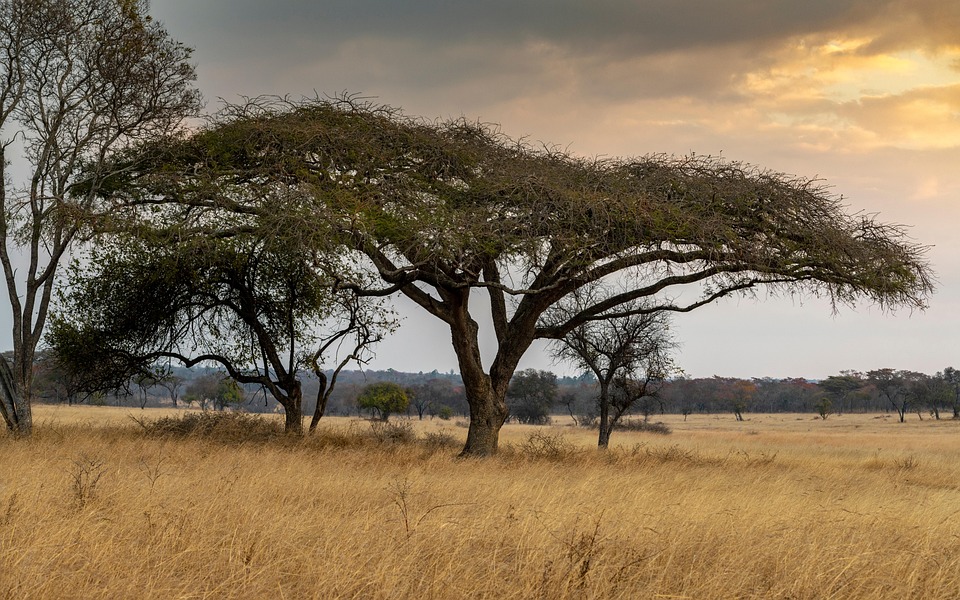
There is a specific kind of magic that settles over Zimbabwe just before dawn. It is the distant, rhythmic rumble of a lion’s roar echoing across the savanna, the crisp scent of rain hitting dry red earth, and the mist rising from a river that has carved its way through the continent for millennia. When it comes to Africa, Zimbabwe is one of the most profoundly underrated travel gems on the planet. But as the saying goes among seasoned explorers: those who know, know.
For decades, this stunning, landlocked nation has been quietly capturing the hearts of intrepid adventurers. It is a country that offers a rare, unfiltered slice of the African soul, combining breathtaking, diverse landscapes, deeply rich history, abundant and thriving wildlife, and a level of genuine, heartwarming hospitality that is increasingly hard to find in the modern world.
Whether you are chasing the adrenaline of epic walking safaris, the mesmerizing, earth-shaking power of the world’s largest waterfall, the ancient, mystical ruins of a forgotten empire, or the vibrant, artistic pulse of its cities, Zimbabwe is a destination that truly, remarkably, has it all. But what makes Zimbabwe stand out in the modern travel landscape? Let us delve into a comprehensive, deeply detailed guide to the must-visit destinations and emerging hotspots you should consider for your next great African adventure.
Why Zimbabwe Belongs at the Top of Your Travel List
Zimbabwe is currently experiencing a remarkable travel renaissance. Following years of focused tourism development, the country has emerged more accessible, welcoming, and fiercely protective of its natural heritage than ever before. The infrastructure has seen significant improvements, regional flight routes have expanded, and there is a profound, nationwide commitment to sustainable, community-led conservation.
Imagine waking up to the symphony of the bush in Hwange National Park, marveling at the sheer, pulverizing power of Victoria Falls, or wandering through the silent, majestic stone walls of Great Zimbabwe. Unlike some of Africa’s more commercialized destinations, Zimbabwe retains a sense of raw, authentic wilderness. The crowds are thinner, the wildlife encounters feel more intimate, and the landscapes remain largely untouched.
Moreover, the country’s hidden gems are finally stepping into the spotlight as emerging hotspots. Whether you are a solo backpacker seeking authentic cultural immersion, a family looking for a safe and educational wildlife experience, or a luxury traveller desiring exclusive, high-end safari lodges, Zimbabwe offers a spectrum of experiences to suit every budget, pace, and travel style.
The Top Must-Visit Destinations in Zimbabwe
To truly understand Zimbabwe, you must experience its geographic and cultural diversity. Here is a deep dive into the destinations that form the backbone of any great Zimbabwean itinerary.
1. Victoria Falls: The Smoke That Thunders
If Zimbabwe were to have a crown jewel, Victoria Falls would undoubtedly be it. Known locally by its evocative Kololo name, Mosi-oa-Tunya (“The Smoke That Thunders”), this UNESCO World Heritage Site is not just a waterfall; it is a visceral, full-body experience. Stretching nearly 1,700 metres wide and plunging over a hundred metres into the narrow Zambezi River gorge, it is the largest curtain of falling water in the world.
What to Do in Victoria Falls:
- The Rainforest Walk: Donning a poncho, you can walk the network of trails that weave directly through the spray of the falls. The sheer volume of water creates a permanent, localized rainforest, offering stunning viewpoints like Danger Point and Devil’s Cataract.
- Adrenaline Activities: For thrill-seekers, the area is the adventure capital of Africa. Plunge into the gorge on the world’s highest commercial bungee jump, tackle the ferocious Grade 5 rapids of the Zambezi on a white-water rafting expedition, or take a heart-pounding microlight or helicopter flight for an unparalleled aerial perspective.
- Sunset Zambezi Cruises: Balance the adrenaline with serenity. A late-afternoon catamaran cruise offers a front-row seat to spectacular African sunsets, accompanied by the sight of elephants drinking at the riverbank, pods of hippos, and basking crocodiles.
- Seasonal Wonders: If you visit during a full moon (typically between February and May), you might witness the rare and magical “Lunar Rainbow,” a moonbow created by the mist reflecting the moonlight.
2. Hwange National Park: A Wildlife Enthusiast’s Dream
Spanning over 14,600 square kilometres, Hwange is Zimbabwe’s largest and most famous game reserve. It is a classic, rugged African savanna that supports one of the highest concentrations of mammals on the continent, most notably boasting some of the largest remaining herds of African elephants.
Why Visit Hwange National Park?
- Unmatched Game Viewing: During the dry season, wildlife congregates in massive numbers around the park’s artificial waterholes (like the famous Masuma or Ngamo dams). This guarantees spectacular sightings of elephants, buffalo, giraffes, and a wide array of antelope.
- Predator Encounters: Hwange is one of the best places in Africa to see the endangered African painted dog (wild dog) in action, as well as pride of lions, leopards, and cheetahs.
- Diverse Accommodation: Whether you desire the ultimate in luxury at exclusive, low-density camps like Little Makalolo or Bumbusi, or prefer a more rustic, authentic experience at intimate, owner-operated bush camps, Hwange caters to all.
- Walking Safaris: For a truly immersive experience, step out of the vehicle. Guided walking safaris allow you to track animals on foot, learning about the smaller details of the bush, from animal tracks to medicinal plants, under the expert guidance of highly trained local rangers.
3. Great Zimbabwe: The Ancient Mystery
Step back in time at Great Zimbabwe, the ruins of a city that was once the thriving capital of the Kingdom of Zimbabwe during the Late Iron Age. This UNESCO-listed monument is a source of immense national pride and archaeological significance, definitively proving that sophisticated, advanced civilizations flourished in sub-Saharan Africa long before European contact.
Things to Do at Great Zimbabwe:
- Explore the Ruins: Embark on a guided tour to navigate the three main areas: the Hill Complex (the oldest part, offering panoramic views), the Great Enclosure (featuring the iconic, towering Conical Tower), and the Valley Ruins.
- Marvel at the Architecture: Observe the incredible dry-stone walling technique. Millions of granite blocks were carefully shaped and stacked without the use of any mortar, yet the walls have withstood the elements for centuries.
- Visit the Museum: The onsite Great Zimbabwe Museum houses fascinating artefacts, including the famous soapstone birds that have become a national symbol, providing deeper context to the region’s rich history.
4. Mana Pools National Park: Africa’s Wild Eden
For those who crave unspoiled wilderness and deeply intimate, unfiltered encounters with wildlife, Mana Pools is the ultimate reward. Nestled along the southern banks of the lower Zambezi River, this UNESCO World Heritage Site is renowned for its remoteness, stunning riverine forests, and lack of artificial barriers.
Best Experiences in Mana Pools:
- Canoeing Safaris: Glide silently down the Zambezi River in a canoe. This unique vantage point allows you to drift past basking crocodiles, herds of elephants coming down to drink, and a spectacular array of birdlife, offering a perspective impossible to get from a vehicle.
- Walking Safaris: Mana Pools is world-famous for its walking safaris. Because the park is largely unfenced, you are truly a guest in the animals’ home. It is not uncommon to have a calm, close-quarters encounter with a bull elephant or to track a leopard with an expert guide.
- The “Standing” Elephants: The park is famous for its bull elephants that have learned to balance on their hind legs to reach the nutritious, high-hanging pods of the winterthorn acacia trees—a behaviour rarely seen elsewhere.
- Stargazing: With zero light pollution, camping under the vast African sky here offers an unbeatable, humbling stargazing experience.
5. Bulawayo and the Matobo Hills: The Cultural Heartland
As Zimbabwe’s second-largest city, Bulawayo carries a raw, unhurried charm. Known as the “City of Kings,” it is the historical heart of the Ndebele people and serves as the perfect gateway to the nearby Matobo Hills.
Highlights of the Region:
- Matobo National Park: This UNESCO World Heritage site is a surreal landscape of massive, balancing granite kopjes (rock formations) that look as though they were dropped from the sky. It is a place of deep spiritual significance.
- Ancient Rock Art: The caves and overhangs of the Matobo Hills contain some of the highest concentrations of ancient San (Bushman) rock art in southern Africa, depicting hunting scenes and spiritual rituals.
- Rhino Tracking: The park is a successful sanctuary for both black and white rhinos. Guided rhino-tracking on foot is a thrilling and highly regulated conservation activity.
- City Museums: Back in Bulawayo, the Natural History Museum of Zimbabwe and the Bulawayo Railway Museum offer fascinating, well-preserved glimpses into the country’s colonial past and rich natural heritage.
6. Gonarezhou National Park: The Emerging Wilderness Gem
Though historically lesser-known, Gonarezhou is rapidly gaining attention as a premier, off-the-beaten-path hotspot. Translating to “The Place of Many Elephants,” this vast, rugged park is a photographer’s dream, characterized by sweeping savannas, the winding Save and Runde rivers, and the iconic, striking red sandstone Chilojo Cliffs.
Why Visit Gonarezhou?
- Pristine, Crowd-Free Safaris: Because it is remote, you will rarely see another vehicle. The game viewing feels entirely private and authentic.
- Conservation in Action: Gonarezhou is the Zimbabwean component of the massive Great Limpopo Transfrontier Park, linking with Kruger National Park in South Africa and Limpopo National Park in Mozambique, allowing for vital, unrestricted wildlife migration.
- Community Engagement: Many lodges here work closely with local communities, offering visitors the chance to learn about traditional Shangaan culture and crafts, ensuring tourism directly benefits the people living on the park’s borders.
Emerging Hotspots to Add to Your Itinerary
Zimbabwe’s incredible terrain carries many hidden secrets waiting to be discovered by the adventurous traveller looking to go beyond the standard circuit.
1. Chinhoyi Caves
Located a few hours from Harare, these limestone caves and their crystal-clear, intensely blue underground pools are truly otherworldly. The main pool, known as “The Sleeping Pool,” is so still that it looks like glass. Local legend says the caves were once used as a refuge by the Shona people, and some believe they are haunted. Today, they offer a mystical, serene experience and are a popular spot for scuba diving and cave exploration.
2. Nyanga National Park and the Eastern Highlands
Escape the heat of the lowveld and head east to the Nyanga mountains. This region is defined by high-altitude landscapes, rolling green hills, trout-filled rivers, and dramatic waterfalls. It is a haven for hikers, mountain bikers, and horseback riders. The crown jewel is the Mutarazi Falls, Zimbabwe’s highest waterfall, which features a terrifyingly thrilling suspension skywalk that juts out directly over the plunging water.
3. Lake Kariba and Binga
Dubbed “Zimbabwe’s Riviera,” Lake Kariba is one of the largest man-made lakes in the world. It offers splendid, ocean-like views, incredible tiger fishing, and spectacular wildlife sightings (including elephants swimming between islands). For a truly unique experience, rent a fully crewed houseboat for a few days to soak in the absolute tranquillity. On the northern shores lies Binga, a relaxed area boasting natural hot springs and traditional Tonga fishing villages, offering a deep, authentic taste of Zimbabwean lakeside culture.
Practical Travel Tips for Your Zimbabwe Adventure
Traveling to Zimbabwe is an incredibly rewarding experience, but like any destination, it comes with unique logistical quirks. Make the most of your trip with these insider tips:
- Visa Information & The KAZA Univisa: Most visitors can secure a visa on arrival. However, if you plan to visit both Zimbabwe and Zambia (e.g., Victoria Falls on both sides), strongly consider purchasing the KAZA Univisa. This fantastic initiative allows multiple entries between the two countries for a single fee, valid for up to 30 days.
- Currency and Cash is King: Zimbabwe operates on a multi-currency system, but the US Dollar (USD) is the most widely accepted and practical currency for tourists. Crucially, bring plenty of small denominations (1, 5, 10, and 20 dollar bills). Vendors, drivers, and market sellers frequently struggle to provide change for large $50 or $100 bills.
- Health and Malaria: Malaria is prevalent in low-lying areas like Hwange, Mana Pools, and Victoria Falls, especially during and after the rainy season. Consult your doctor about prophylaxis before you travel. Yellow fever vaccination certificates are required if you are transiting through or arriving from a yellow fever-endemic country.
- Transport and Getting Around: While major cities are connected by good highways, roads to remote parks can be rough, corrugated dirt tracks. For long distances, domestic flights (via Air Zimbabwe or smaller charter companies) save time and offer stunning aerial views. For ground travel, hiring a reputable 4×4 vehicle with an experienced driver-guide is highly recommended over self-driving unless you are highly experienced in African bush driving.
- Connectivity: Wi-Fi is available in most hotels and larger lodges, but can be slow. For reliable mobile data, purchase a local SIM card (Econet or NetOne) at the airport upon arrival. It is inexpensive and provides excellent coverage in most tourist areas.
- Tipping Culture: Tipping is customary and appreciated in Zimbabwe, as it significantly supplements the income of service workers. A general guideline is 10% at restaurants, a few dollars per day for porters, and $10-$20 per day for your safari guide and tracker, depending on the level of service.
Frequently Asked Questions (FAQ)
1. Is Zimbabwe safe for tourists?
Answer: Yes, Zimbabwe is generally considered a very safe destination for tourists. The Zimbabwean people are famously warm, welcoming, and English-speaking. As with any travel, exercise standard common sense: do not flash expensive electronics in crowded urban areas, avoid walking alone at night in cities, and always use reputable, registered tour operators for safaris and transfers.
2. What is the absolute best time to visit Zimbabwe?
Answer: The best time to visit depends on your goals. For optimal wildlife viewing, the dry season (May to October) is ideal. Vegetation is sparse, and animals congregate around water sources, making them easy to spot. For lush, green landscapes, birdwatching, and fewer crowds, the wet season (November to April) is beautiful, though some remote roads may become impassable and Victoria Falls will be at its most powerful (and misty).
3. How many days do I need for a good Zimbabwe trip?
Answer: A 10 to 12-day trip is ideal. This allows you to comfortably spend 2-3 days at Victoria Falls, 3-4 days on safari in Hwange or Mana Pools, and a couple of days exploring a cultural or historical site like Great Zimbabwe or the Matobo Hills, without feeling rushed.
4. Can I self-drive in Zimbabwe?
Answer: Yes, you can self-drive, and many adventurous travellers do. However, be prepared for potholes, wandering livestock, and unmarked dirt roads in rural areas. If you choose to self-drive, renting a high-clearance 4×4 vehicle is absolutely essential, and you should always drive during daylight hours only.
5. What should I pack for a Zimbabwe safari?
Answer: Pack lightweight, breathable clothing in neutral, earthy colours (khaki, green, brown) to blend in with the bush and avoid attracting tsetse flies (which are drawn to dark blue and black). Mornings and evenings on game drives can be surprisingly cold, so bring a warm fleece or jacket. Don’t forget a good pair of binoculars, a wide-brimmed hat, high-SPF sunscreen, and comfortable, closed-toe walking shoes.
The Final Word: Your Zimbabwean Adventure Awaits
Zimbabwe is a land of profound contrasts and unparalleled beauty. It is the deafening roar of the world’s largest waterfall juxtaposed with the absolute, profound silence of the Mana Pools wilderness. It is the ancient, enduring stone walls of Great Zimbabwe standing proudly against the backdrop of a golden African sunset. It offers an authentic, unfiltered slice of Africa, where every destination feels like stepping into a different, magical world.
As the country continues to open its arms to the world, there has never been a better time to experience its wonders. By embracing sustainable travel practices and venturing beyond the well-trodden path, you will not only create memories that will last a lifetime but also contribute to the preservation of this incredible nation.
Discover Zimbabwe with Nihosi Travels & Tours
Ready to make your Zimbabwe adventure truly unforgettable? Let the expert team at Nihosi Travels & Tours plan a tailor-made, seamless itinerary, ensuring you explore every hidden gem and iconic landmark Zimbabwe has to offer. Visit www.nihositravels.com for expert guidance and personalized travel planning!
Pack your bags, bring your sense of wonder, and let the spirit of Zimbabwe take your breath away.








Subscribe To Our Newsletter
Join our mailing list to receive the latest news and updates from our team.
You have Successfully Subscribed!