
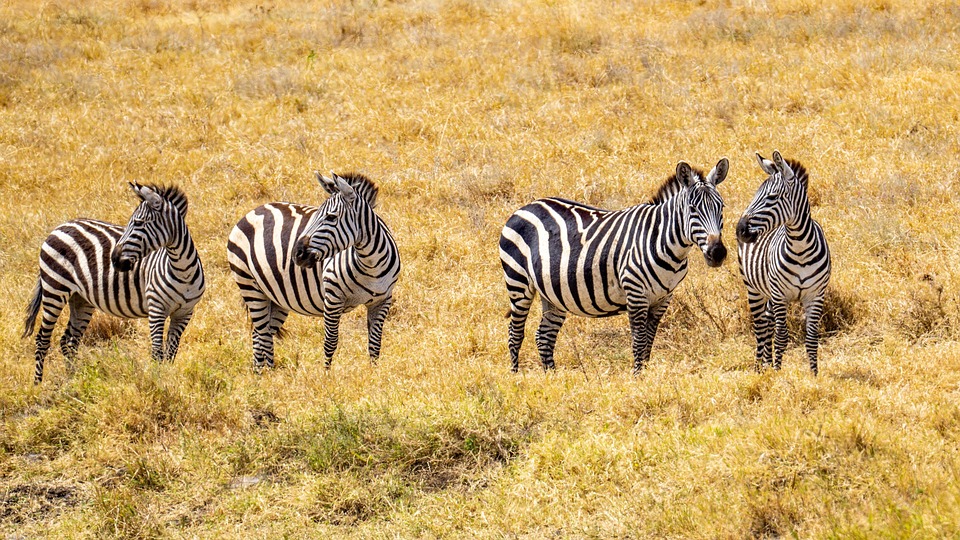
Tanzania: a land of mesmerizing beauty, where untouched wilderness meets stunning landscapes. It is a country that truly embodies nature at its finest, captivating adventure seekers, wildlife enthusiasts, and passionate eco-travellers alike. From its sprawling savannahs to lush rainforests, from iconic wildlife spectacles to the awe-inspiring Mount Kilimanjaro, Tanzania’s national parks and reserves embody what dreams are made of.
If you’ve ever wondered what makes Tanzania one of Africa’s most alluring destinations, then this guide is for you. Join us as we unveil the treasures hidden within Tanzania’s spectacular national parks and reserves, combining actionable insights and inspiration to fuel your next big adventure.
Why Explore Tanzania’s National Parks?
Before we dive into the specifics of Tanzania’s national parks, let’s explore why they should be on the top of your travel bucket list. Here’s why Tanzania stands out among global wildlife destinations:
1. The Great Migration:
Tanzania is home to one of the most remarkable natural phenomena on Earth—The Great Migration. Over two million wildebeest, zebras, and gazelles traverse the plains of the Serengeti in search of greener pastures. This once-in-a-lifetime spectacle of survival and instinct draws visitors from across the world.
2. Biodiversity Hotspot:
From the savannahs to rainforests and coastal mangroves, Tanzania boasts an astounding variety of ecosystems. This biodiversity is home to the “Big Five” (lion, elephant, buffalo, leopard, and rhinoceros) and an abundance of bird species, reptiles, and plant life.
3. Accessibility to Adventure:
Whether you’re venturing on a luxurious safari, climbing the rugged peaks of Mount Kilimanjaro, or discovering pristine marine reserves, Tanzania offers thrilling experiences for all types of travellers.
4. Conservation Prowess:
Tanzania is a leader in African wildlife conservation. With over 14% of its territory protected by national parks and reserves, its efforts preserve the fragile harmony of its ecosystems.
Ready to discover what makes Tanzania so extraordinary? Let’s dive into its most iconic parks and reserves, along with how you can explore them sustainably.
1. Serengeti National Park: The Crown Jewel of Africa
When you think of safari adventures, the Serengeti instantly comes to mind. Declared a UNESCO World Heritage Site, Serengeti National Park perfectly captures the allure of Tanzania. Known for its golden plains, majestic acacia trees, and rich wildlife, this park offers an unforgettable safari experience.
Key Highlights:
- Witness the Great Migration between December and July.
- Encounter incredible predators like lions, cheetahs, leopards, and hyenas.
- Marvel at over 500 bird species, including the secretary bird and ostrich.
Pro-Tip: Visit Seronera Valley for year-round wildlife activity or the remote northern Serengeti for fewer crowds during migration season.
Getting There: Take a short charter flight from Arusha or drive on an adventurous route starting in central Tanzania.
2. Ngorongoro Conservation Area: The World’s Largest Caldera
Often dubbed the “Eighth Wonder of the World,” the Ngorongoro Crater is a haven for wildlife. Nestled within the Ngorongoro Conservation Area, this massive volcanic depression is packed with diverse fauna, lush greenery, and shimmering lakes.
Why You Should Visit:
- Home to the densest lion population in Africa.
- Opportunities to spot critically endangered black rhinos.
- Watch flamingos cover Lake Magadi in a stunning burst of pink.
Did You Know? Ngorongoro doubles as a historic treasure trove. Archaeological sites like Olduvai Gorge, famously referred to as “the Cradle of Humankind,” provide a fascinating glimpse into ancient human evolution.
3. Mount Kilimanjaro: The Roof of Africa
Rising proudly at 5,895 metres, Mount Kilimanjaro is Africa’s highest peak and one of the world’s most iconic trekking destinations. While the climb itself is challenging, it doesn’t require professional mountaineering skills, making it an experience open to travellers of varying skill levels.
Trekking Tips:
- Choose Your Route: The Machame (Whiskey) Route is scenic, while the Marangu (Coca-Cola) Route is easier.
- Acclimatise Slowly: The gradual ascent helps prevent altitude sickness.
- Pack Smartly: Layered clothing, sturdy boots, and hydration packs are essential.
Even if climbing isn’t your thing, the Kilimanjaro National Park offers incredible biodiversity worth exploring, from its montane rainforests to alpine meadows.
4. Tarangire National Park: The Land of Giants
If elephants capture your imagination, Tarangire National Park delivers. Featuring Africa’s largest elephant herds and age-old baobab trees, Tarangire feels like stepping into an ancient, untouched wilderness.
What Makes Tarangire Unique?
- Witness seasonal migration patterns (June to October).
- Spot other animals like giraffes, elands, and oryxes in lesser-explored settings.
- Discover the park’s 550 bird species, making it a birdwatcher’s paradise.
For those seeking an off-the-beaten-path experience, Tarangire’s serene environment creates intimate wildlife encounters.
5. Selous Game Reserve (Nyerere National Park): Untamed Wilderness
As one of the largest protected areas on the planet, Selous Game Reserve (recently renamed Nyerere National Park) offers an exclusive slice of Tanzanian wilderness. Far from the usual tourist routes, Selous retains rugged charm, making it perfect for safari purists.
Exploring Selous:
- Cruise along the Rufiji River to see hippos, crocodiles, and aquatic birds.
- Take guided walking safaris for up-close views of the rare African wild dog.
- Relish seclusion in luxury camps overlooking the expansive floodplains.
Responsible Travel with Nihosi Travels & Tours
When planning an adventure in Tanzania, it’s essential to travel responsibly. Here at Nihosi Travels & Tours, we specialise in crafting eco-friendly, culturally sensitive itineraries that enhance your connection with nature while leaving a minimal environmental footprint.
Whether you’re seeking seamless transfers to these national parks, expert safari guides, or curated climbing experiences, our team ensures you get the best of Tanzania sustainably.
Practical Tips for Visiting Tanzania’s National Parks
To maximise your experience in Tanzania’s wilderness, keep these tips in mind:
- Best Time for Travel: The dry season (June–October) is ideal for wildlife watching, while the rainy season offers lush landscapes and fewer crowds.
- Pack Essentials: Lightweight clothing, safari hats, sunscreen, insect repellent, and binoculars are a must.
- Plan Ahead: Book national park permits, accommodations, and safaris in advance during peak season.
Also, try immersing yourself in local culture by visiting Maasai villages. Genuine interactions with indigenous communities enrich your Tanzanian adventure.
FAQs About Tanzania’s National Parks and Reserves
1. What is the best time to experience the Great Migration in Tanzania?
The Great Migration is best witnessed between December and July, with the Mara River crossings occurring in the northern Serengeti from August to October.
2. How safe is it to explore Tanzania’s national parks?
Tanzania is considered very safe for tourists, provided you follow park regulations and travel with reputable guides or operators such as Nihosi Travels & Tours.
3. Are Tanzania’s safaris suitable for families?
Yes! Many parks, including Serengeti and Tarangire, offer family-friendly lodges and tailored safaris, ensuring an unforgettable experience for visitors of all ages.
Conclusion
Tanzania’s national parks and reserves are nothing short of magical, embodying raw beauty, adventure, and unparalleled wildlife diversity. Whether you’re marvelling at the Great Migration, scaling Mount Kilimanjaro, or drifting along Tarangire’s riverbanks, Tanzania invites you to reconnect with nature like never before.
With the guidance of Nihosi Travels & Tours, your journey to this extraordinary destination promises inspiration, wonder, and memories to last a lifetime. So why wait? Nature’s finest treasures are calling!










Subscribe To Our Newsletter
Join our mailing list to receive the latest news and updates from our team.
You have Successfully Subscribed!