
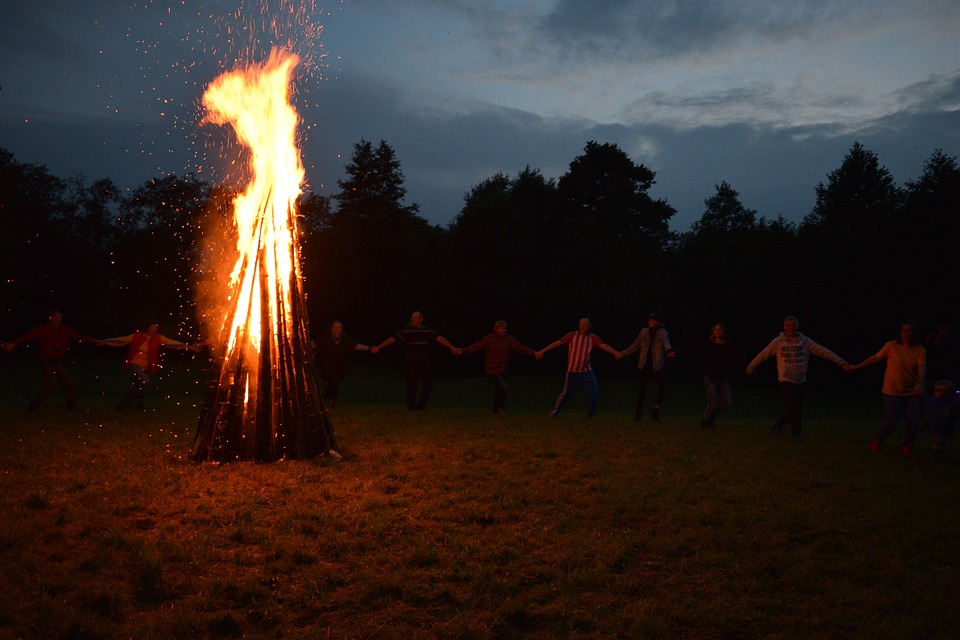
Lithuania, a Baltic gem known for its rich history, breathtaking landscapes, and warm hospitality, is a country that never ceases to amaze travellers. While many explore its capital, Vilnius, or the well-loved attractions like Trakai Castle, there’s a whole world of less-discovered places in the countryside waiting to be explored. Beyond Lithuania’s thriving cities lies a serene charm—hidden villages, untouched natural wonders, and an incredible cultural heritage that provides an authentic glimpse into its soul.
This guide takes you on a journey to discover Lithuania’s hidden magic. From quaint hamlets steeped in ancient traditions to jaw-dropping landscapes, we’ll also provide practical, actionable travel tips to ensure your journey through this beautiful country is memorable and stress-free.
Why Visit Lithuania?
Ever wondered where you could find tranquillity, history, and adventure wrapped into one travel experience? Lithuania holds the answer. As the southernmost of the Baltic States, this small yet captivating country is brimming with surprises for every kind of traveller.
Whether you’re an adventurer looking to get lost in pristine forests, a culture enthusiast curious about UNESCO-listed sites, or someone seeking to unwind by a peaceful lakeside, Lithuania checks all the boxes.
Here’s a sneak peek at what makes it magical:
- Hidden Villages: Quaint, remote villages untouched by modern chaos.
- Local Wonders: Stunning, lesser-known spots like the Hill of Crosses, Curonian Spit, and Aukštaitija National Park.
- Rich History: A treasure trove of ancient castles, churches, and Soviet-era remnants.
Discover Lithuania’s Hidden Villages
1. Zervynos: A Window to the Past
Nestled in Dzūkija National Park, Zervynos is one of Lithuania’s most charming ethnographic villages. It’s like stepping into another era with its wooden houses, intricate carvings, and ancient traditions still upheld by the locals. This idyllic village attracts those keen to experience authentic Lithuanian rural life.
- What to Do:
Participate in traditional bread baking workshops or go on serene hikes around the park. - Travel Tip:
Visit during spring or autumn to see Zervynos in all its natural glory, framed by blossoming wildflowers or golden canopies.
2. Mingė (Minija): The Venice of Lithuania
Imagine a village where streets are replaced by waterways. Mingė, commonly referred to as the Venice of Lithuania, lies along the Minija River. Fishermen sail through the village, and the rhythm of life is unhurried.
- What to Do:
Hop on a boat ride to explore the surrounding Nemunas Delta.
Taste fresh-caught fish prepared in traditional Lithuanian styles at nearby local eateries. - Travel Tip:
Carry cash for small local shops and boat rides. Mingė is still largely unspoiled by modern tourism.
3. Rumšiškės: Preserving Traditional Lithuania
Though not hidden in the literal sense, Rumšiškės deserves a mention for its sprawling open-air ethnographic museum that feels like a time machine. Each region of Lithuania is represented with reconstructed homes, barns, and chapels that show what life was like centuries ago.
- What to Do:
Stroll across the museum and interact with craftsmen practising age-old skills, such as weaving and pottery. - Travel Tip:
Plan to spend an entire day here as the museum covers almost 200 hectares of land. Comfortable shoes are a must!
Local Natural Wonders You Shouldn’t Miss
1. Hill of Crosses (Kryžių Kalnas)
Just north of Šiauliai lies one of Lithuania’s most awe-inspiring sites—the Hill of Crosses. With tens of thousands of crosses of all shapes and sizes, this sacred pilgrimage site holds deep spiritual significance for Lithuanians and visitors alike. The site is not just about faith, but also resilience, having survived years of Soviet oppression.
- What to Do:
Take a quiet walk, reflect, and even leave your own cross to contribute to the monument. - Travel Tip:
The best time to visit is early morning when the crowd is thin, and the sunrise enhances its mystical aura.
2. Curonian Spit: A UNESCO Treasure
Stretching nearly 100 kilometres along the Baltic Sea, this narrow strip of land is a piece of paradise. With its golden sand dunes, dense pine forests, and the quaint villages of Juodkrantė and Nida, Curonian Spit offers something for everyone—from nature lovers to solo travellers seeking solace.
- What to Do:
Climb the Parnidis Dune for panoramic views. Explore the local museums that narrate stories of fisherfolk. - Travel Tip:
Secure your ferry tickets in advance, especially during summer. Hike or rent bikes to truly immerse yourself in the beauty of the landscape.
3. Aukštaitija National Park
Lithuania’s oldest national park, Aukštaitija, is a haven filled with lakes, rivers, and evergreen forests. It is dotted with iconic wooden churches and windmills, making it a must-visit destination for nature lovers.
- What to Do:
Rent a kayak to navigate the park’s interconnected lakes or climb the Ladakalnis Hill for sweeping views. - Travel Tip:
Guided tours are available, but adventurers might prefer trekking alone for a more private, serene experience.
Top Travel Tips for Exploring Lithuania
1. Pack for Varied Weather
Lithuania experiences a temperate continental climate, with cold winters and mild, rainy summers. If travelling in summer, layering is key—sunshine can be unexpectedly interrupted by rain.
2. Embrace Public Transport
Lithuania’s public transport system is affordable and efficient. Buses connect most regions, even remote areas like Zervynos. However, renting a car is ideal for exploring hidden villages and natural wonders at your own pace.
- Tip: Lithuania drives on the right, and roads in rural areas can sometimes be challenging, so keep an updated GPS handy.
3. Indulge in Local Cuisine
No visit to Lithuania is complete without diving into its culinary landscape. Dishes like cepelinai (potato dumplings filled with meat), šaltibarščiai (chilled beet soup), and rye bread are must-tries.
- Travel Tip:
Visit a local farmer’s market or village eatery for the most authentic experience.
4. Learn a Few Phrases in Lithuanian
While many Lithuanians speak English, especially in urban areas, locals in hidden villages may not be fluent. A simple “Laba diena” (hello) or “Ačiū” (thank you) goes a long way in forging connections.
FAQs About Travelling in Lithuania
To further assist you in planning your Lithuanian adventure, here are answers to common questions:
-
Is Lithuania an affordable travel destination?
Yes, Lithuania is incredibly budget-friendly. Accommodation, transport, and food prices are lower than in many Western European countries. -
What is the best time to visit Lithuania?
Summer (June to August) is perfect for exploring the outdoors, while winter (December to February) offers festive charm and snow-filled landscapes. -
Do you need a visa for Lithuania?
Lithuania is part of the Schengen Area. Travellers from Schengen Countries or those with a Schengen visa can enter without additional documentation. -
What currency is used in Lithuania?
Lithuania uses the Euro (€). -
Can you drink the tap water?
Tap water in Lithuania is safe to drink, although some may prefer bottled water. -
Are there guided tours to hidden villages?
Yes, Nihosi Travels & Tours (www.nihositravels.com) offers customised trips to lesser-known Lithuanian gems, including Zervynos and Mingė.
Final Thoughts
Lithuania is a land of discovery, where hidden villages whisper tales of the past, and nature invites you to explore its captivating secrets. From quaint hamlets to unforgettable landscapes, you’ll leave with memories that warm your heart long after the journey ends.
So pack your bags, plan your route, and embrace the magic of Lithuania. Because, as they often say, the best experiences in life are those that remain undiscovered until you experience them for yourself.








Subscribe To Our Newsletter
Join our mailing list to receive the latest news and updates from our team.
You have Successfully Subscribed!