
Bulgaria is a destination that truly encapsulates the spirit of adventure and cultural discovery. With its breathtaking landscapes, fascinating history, and timeless traditions, this Balkan nation remains a hidden gem in Europe. Whether you’re a nature lover, history enthusiast, or someone craving authentic gastronomy and cultural immersion, Bulgaria provides a myriad of travel experiences that will leave you spellbound.
In this article, we’ll explore the stunning landscapes and rich traditions that define Bulgaria, complete with actionable tips to make your visit unforgettable. Read on to uncover Bulgaria’s most captivating attractions and unique cultural experiences, all while planning your ultimate trip with confidence.
A Land of Beauty: Bulgaria’s Stunning Landscapes
1. The Majestic Rila Mountains and Seven Rila Lakes
The Rila Mountains are a jewel in Bulgaria’s natural crown, known for their majestic peaks and awe-inspiring alpine scenery. Standing tall as the highest mountain range in the Balkans, Rila provides a haven for trekkers and adventure seekers.
One key attraction here is the Seven Rila Lakes, a series of crystal-clear glacial lakes, each connected through cascading streams. The lakes, named after their distinctive features such as The Kidney, The Eye, and The Tear, offer a mesmerising hiking experience. Hiking trails in the area vary in difficulty, ensuring accessibility to both seasoned adventurers and casual visitors.
Travel Tip: To make the most of your visit, start early in the morning when the trails are less crowded, and the air is still crisp. Don’t forget sturdy hiking boots and a camera to capture the unbelievable scenery.
2. The Breathtaking Rhodope Mountains
The Rhodope Mountains, steeped in myth and beauty, stretch across southern Bulgaria, offering picturesque valleys and quiet villages steeped in charm. As the supposed birthplace of the famed musician Orpheus from Greek mythology, the Rhodopes are deeply tied to folklore and spirituality.
Mark your itinerary to include Devil’s Throat Cave, a magical limestone cave with an immense underground waterfall said to be the gateway to the underworld. Hikes through Buynovo Gorge or the Trigrad Gorge provide unforgettable views and a chance to feel completely lost in the serenity of nature.
Why Visit? The soft, rolling slopes of the Rhodopes are unlike much of Bulgaria’s rugged terrain, making it perfect for families and travellers seeking a more leisurely escape into nature.
3. The Black Sea Coastline: Sunny Beaches and Hidden Gems
Spanning over 300 kilometres, Bulgaria’s Black Sea coastline is an unbeatable destination for summer wanderlust. Tourists flock to Sunny Beach, an iconic seaside resort bursting with activity, from water sports to nightlife. Families will also appreciate spots like Golden Sands, renowned for its pristine beaches and family-friendly resorts.
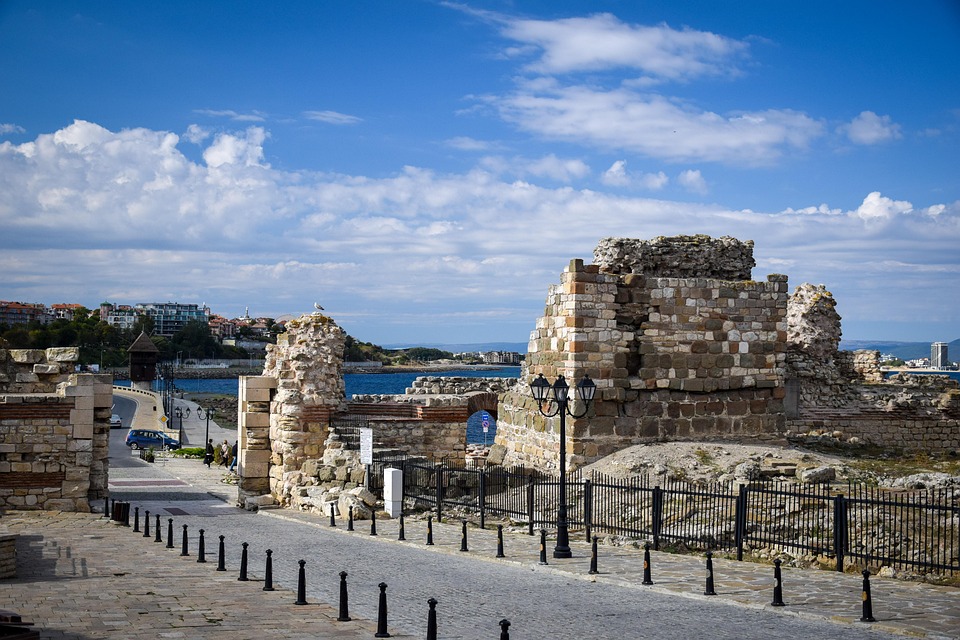
For travellers seeking tranquillity, explore lesser-known coastal towns such as Sozopol and Nessebar. Nessebar, a UNESCO World Heritage Site, offers an enchanting blend of historic cobblestone streets, ancient churches, and a romantic seaside atmosphere. Meanwhile, Kaliakra Cape, perched at the edge of towering cliffs, delivers panoramic views of the Black Sea and beckons photographers with its dramatic sunsets.
Expert Insight: For a unique diving experience, consider visiting St. Anastasia Island, where underwater adventures reveal ancient shipwrecks and stunning marine landscapes just off the coast of Burgas.
4. Pirin National Park: An Alpine Wonderland
Another UNESCO World Heritage site, Pirin National Park, boasts rugged mountain terrain, high-altitude lakes, and dense forests. Home to the iconic Vihren Peak, ambitious climbers will love the challenging treks here. Wildlife enthusiasts, too, should look out for rare species including golden eagles and Balkan chamois.
Quick Tip: Visit during spring or summer months for verdant trails, or venture in winter for skiing opportunities at Bansko, Bulgaria’s premier ski resort town.
Deeply Rooted Traditions: A Glimpse Into Bulgaria’s Rich Culture
1. Kukeri: The Unique Festival of Masks
One of Bulgaria’s most fascinating traditions is the Kukeri Festival, an ancient ritual where participants don colourful costumes and elaborate masks to ward off evil spirits. These celebrations are lively, filled with music, dancing, and an overwhelming sense of community.
Held primarily in rural villages during late winter, the Kukeri Festival showcases Bulgaria’s pagan roots and proud cultural identity. Visitors are welcome to join in the festivities, adding a truly immersive cultural experience to their journey.
2. Bulgarian Rose Valley and Rose Oil Production
Did you know that Bulgaria produces over 70% of the world’s rose oil? Found in the Rose Valley, nestled between the Balkan and Sredna Gora mountains, the region bursts into bloom each May during the annual Rose Festival.
Visitors have the chance to participate in rose-picking traditions, learn about the oil extraction process, and even purchase some of this liquid gold to take home. Beyond roses, the valley is equally famous for its cultural significance, with archaeological sites and beautiful meadows to explore.
3. Bulgaria’s Folklore Heritage: Music and Dance
Music and dance are at the heart of Bulgarian culture. Traditional folk dances, like the Horo, bring communities together during weddings, festivals, and other celebrations. These dances are accompanied by folk instruments such as the kaval (a traditional flute) and gaida (Bulgarian bagpipe), creating enchanting rhythms that echo through the ages.
Don’t Miss: If you visit during summer, make time for the Rozhen National Folklore Fair, the largest folk festival in Bulgaria, featuring over 400 performers from across the country.
Bulgarian Cuisine: A Culinary Adventure
No trip to Bulgaria is complete without indulging in its rich, flavourful cuisine, which blends Balkan, Mediterranean, and Turkish influences.
Must-Try Dishes:
- Banitsa – A flaky pastry filled with cheese, eggs, and sometimes spinach or pumpkin.
- Shopska Salad – Bulgaria’s national salad, a refreshing blend of tomatoes, cucumbers, onions, and a generous topping of grated white cheese.
- Kavarma – A slow-cooked meat stew paired with signature Bulgarian spices.
Pro Tip: Visit a traditional Mehana (tavern) for authentic dining along with live folk music performances. Pair your meal with a glass of rakia, the country’s famous fruit brandy.
Practical Travel Tips for Exploring Bulgaria
- Currency: The Bulgarian Lev (BGN) is the national currency. Exchange rates are favourable for many international visitors.
- Language: Bulgarian is the official language. While English is widely spoken in tourist areas, picking up a few basic phrases like “Blagodarya” (thank you) can go a long way.
- Transport: Whether renting a car or using the affordable public bus network, Bulgaria is easy to navigate.
Insider’s Advice: To fully immerse yourself in Bulgaria’s charm, consider a guided tour with Nihosi Travels & Tours, known for their expert-led itineraries that focus on culture and nature.
FAQs
1. What is the best time to visit Bulgaria?
Spring (April-May) and autumn (September-October) offer mild weather and fewer crowds, making them ideal for sightseeing.
2. Are Bulgaria’s national parks accessible for beginners?
Yes, many parks accommodate both novice hikers and experienced adventurers with clearly marked trails.
3. Is Bulgarian food vegetarian-friendly?
Absolutely! Vegetarian options like shopska salad and spinach-filled banitsa are widely popular in Bulgarian cuisine.
Whether you’re hiking through the slopes of Pirin, reminiscing over centuries-old traditions, or basking in the tranquillity of the Black Sea Coast, Bulgaria promises an unmatched tapestry of experiences. Start your journey today, and let Bulgaria’s captivating landscapes and rich traditions inspire your soul.










Subscribe To Our Newsletter
Join our mailing list to receive the latest news and updates from our team.
You have Successfully Subscribed!