
Experience the Real Oman: Lesser-Known Spots You Won’t Want to Miss
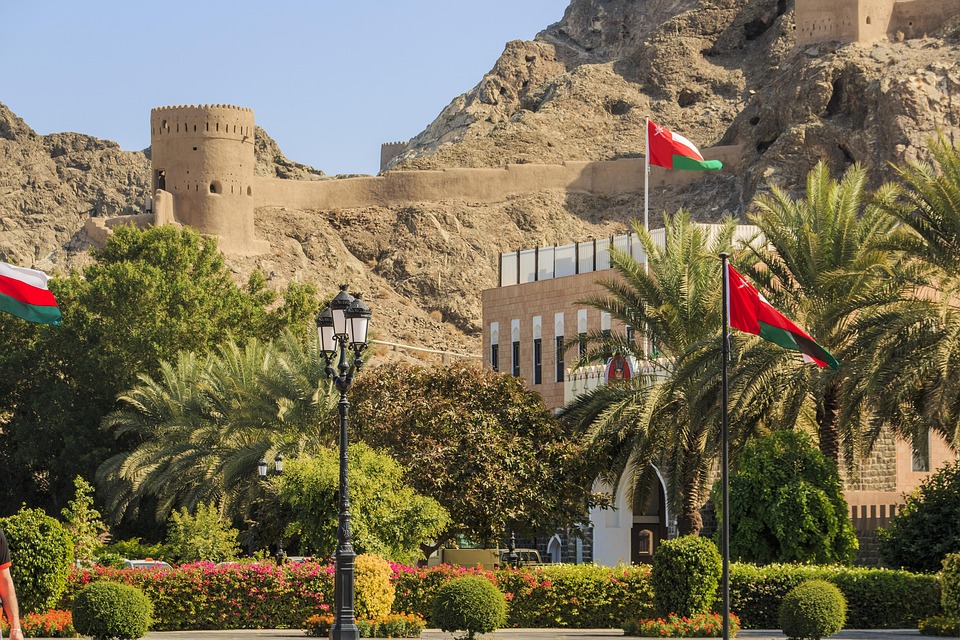
Oman—a hidden gem on the Arabian Peninsula—is filled with wonders that capture the heart and imagination. Known for its warm hospitality, rich cultural heritage, and diverse landscapes, this captivating country has something for every traveller. But while the Sultanate’s iconic landmarks, such as the Sultan Qaboos Grand Mosque and the vast Wahiba Sands, are magnificent, Oman’s lesser-known spots hold a unique charm worth exploring.
This guide will take you off the beaten path to uncover Oman’s hidden treasures, its unsung natural wonders, and cultural gems, ensuring your trip is nothing short of extraordinary. Let’s dive into lesser-known places you won’t want to miss—and trust us, these destinations will ignite your wanderlust.
Why Oman?
Before embarking on our detailed journey of Oman’s hidden gems, let’s set the scene. Oman stands out for a reason. Unlike its glitzy neighbouring countries, Oman has retained its authentic, old-world charm. Picture rugged mountain ranges, serene wadis, golden desert dunes, and unspoiled coastlines met by emerald waters. Not to mention, Omanis are famous for their courteous nature, making the experience truly unforgettable.
If you’re planning to explore Oman, get ready to veer off the well-trodden tourist paths. Adventure, solitude, and unspoiled beauty await at every turn.
1. Al Jebel Al Akhdar: The Green Mountain
Perched high up in the Hajar Mountain Range, Al Jebel Al Akhdar (The Green Mountain) provides a breath of cool air in Oman’s typically arid environment. While many travellers stick to the nearby Jebel Shams—the “Grand Canyon” of Oman—few venture into this verdant oasis.
Known for its terraced fruit orchards and spectacular views, Jebel Al Akhdar is particularly enchanting during summer when apricots, pomegranates, and roses bloom. Wander the trails leading to charming hillside villages such as Al Ayn and Ash Shirayjah. The mountain attracts cyclists, hikers, and nature lovers, offering cooler temperatures compared to the lowlands.
Travel tip: Visit in March to witness the blooming of Damask roses, which are used to produce Oman’s famous rosewater. Try staying in a local guesthouse to experience the authentic mountain lifestyle.
2. Wadi Bani Khalid: A Serene Oasis
While Oman boasts many wadis (valleys), Wadi Bani Khalid is undoubtedly one of the most serene and visually stunning. Unlike the popular Wadi Shab, this particular paradise still has an air of exclusivity. Characterised by its turquoise pools, palm-lined paths, and rugged cliffs, Wadi Bani Khalid promises tranquillity and quiet exploration.
What to do:
- Take a dip in the clear pools.
- Stroll along the winding paths to explore hidden caves like Muqal Cave, located deeper in the valley.
- Pack a picnic and relax under the shade of date palms.
Pro tip: Arrive early, as it’s a popular local getaway on Fridays. Wear sturdy shoes for hiking past the main pools toward lesser-explored areas.
3. Ras Madrakah: Oman’s Untouched Coastline
If pristine beaches and wild seascapes make your heart skip a beat, Ras Madrakah should top your Oman itinerary. Located south of Duqm, Ras Madrakah offers unparalleled beauty, bordered by jagged black rocks and bright azure waters. Known for its isolation, this stretch of coast has some Instagram-worthy views and is an excellent spot for reflection and relaxation.
The area remains refreshingly unspoiled, with very few signs of commercial tourism. For those seeking solitude, this hidden gem is nothing short of paradise.
How to get there: A 4×4 vehicle is recommended for traversing the road to Ras Madrakah. Pack essentials, as facilities are scarce in this area.
4. Misfat Al Abriyeen: Oman’s Timeless Village
Nestled in the foothills of Oman’s mountains, Misfat Al Abriyeen feels like stepping into the past. Renowned for its labyrinthine streets, ancient mudbrick houses, and centuries-old irrigation systems (falaj), the village offers a perfect break from modernity.
Walk through narrow alleys among lush banana groves, and marvel at the terraced farmlands that cascade down the sloping terrain. Completely pedestrian-friendly, the village invites visitors to soak up the slow pace of life.
Key attractions:
- Explore the falaj system, a UNESCO-listed traditional irrigation technique.
- Capture panoramic views from vantage points overlooking the surrounding valleys.
Accommodation option: Stay overnight at Misfah Old House for an authentic village homestay.
5. Khasab and the Musandam Fjords
Dubbed “The Norway of Arabia,” the Musandam Peninsula, particularly the town of Khasab, is as far off the beaten path as you can get while still being in Oman. Often overshadowed by other attractions, this northern region enchants visitors with its dramatic fjords, where rugged cliffs plunge into crystal-clear waters.
Things to do:
- Take a dhow cruise across the turquoise fjords, keeping an eye out for dolphins.
- Go snorkelling in the Hosn Bay.
- Traverse the spectacular mountain trails around Khasab.
Musandam is best accessed by air from Muscat or by a scenic ferry ride from Shinas.
6. Al Hamra: A Historical Treasure
For lovers of history and architecture, Al Hamra is a must-visit location in Oman. This remarkably preserved 400-year-old village is home to traditional mudbrick houses that stand as testaments to Omani craftsmanship. Walking through the village is like wandering through an open-air museum.
One unique feature of Al Hamra is its dedication to preserving Oman’s culture. Visit Bait Al Safah, a heritage house where you can witness demonstrations of traditional Omani practices like coffee roasting or rosewater extraction.
Why it’s special: Al Hamra caters to history buffs and cultural enthusiasts alike, offering a rare glimpse into a past that still lives on today.
7. Masirah Island: A Secluded Paradise
For those seeking adventure and peace in equal measure, Masirah Island is the ultimate escape. Located off the eastern coast of Oman, this island is known for its untouched beaches, windsurfing opportunities, and as a nesting site for loggerhead turtles.
Masirah Island remains relatively unexplored compared to Oman’s mainland attractions, making it perfect for travellers looking for serenity.
How to experience Masirah Island:
- Go kite surfing by the coastline.
- Visit during turtle nesting season from April to August.
- Explore the shipwrecks scattered along its beaches.
8. Tawi Atair Sinkhole: Oman’s Natural Gem
The Tawi Atair Sinkhole is one of the largest sinkholes in Oman, located in the Dhofar region. Often overlooked by casual tourists, the site is fascinating for both nature and geology enthusiasts. Known locally as the “Well of Birds,” it offers an incredible insight into Oman’s geological history.
What makes it unique: At over 200 meters deep, this natural wonder is surrounded by dense vegetation, making it a haven for birdwatchers and adventure seekers alike.
Practical Tips for Exploring Oman’s Hidden Gems
Travelling through Oman requires a bit of preparation, especially when venturing into less-touristy destinations:
- Rent a 4×4 vehicle: Many of Oman’s best spots can only be reached via rugged mountain tracks or desert sand dunes.
- Carry essentials: Water, snacks, and a first aid kit are a must, particularly when visiting remote locations.
- Respect local traditions: Omanis are proud of their heritage and culture. Dress modestly and greet locals with respect.
- Hire local guides: To explore remote locations safely, hire licensed Omani guides who have invaluable local knowledge.
Explore Oman with Nihosi Travels & Tours
Planning to see these breathtaking yet lesser-known destinations? Nihosi Travels & Tours (www.nihositravels.com) specialises in creating tailored itineraries that cater to your needs. From serene wadis to remote islands, their expert guides ensure you experience Oman’s true essence while travelling safely and comfortably.
Frequently Asked Questions (FAQ)
What is the best time to visit Oman?
The best time to visit Oman is between October and April when the weather is cooler and more pleasant.
Is Oman safe for tourists?
Yes, Oman is considered one of the safest countries in the Middle East, thanks to its low crime rate and friendly population.
Can I explore Oman without a guide?
While you can navigate popular areas without assistance, hiring a local guide ensures a deeper and safer exploration of remote spots.
Delve beyond Oman’s tourist hubs, and you’ll uncover a land of hidden beauty and timeless history. These offbeat destinations add depth and authenticity to your trip, making Oman an unparalleled travel experience.












Subscribe To Our Newsletter
Join our mailing list to receive the latest news and updates from our team.
You have Successfully Subscribed!