
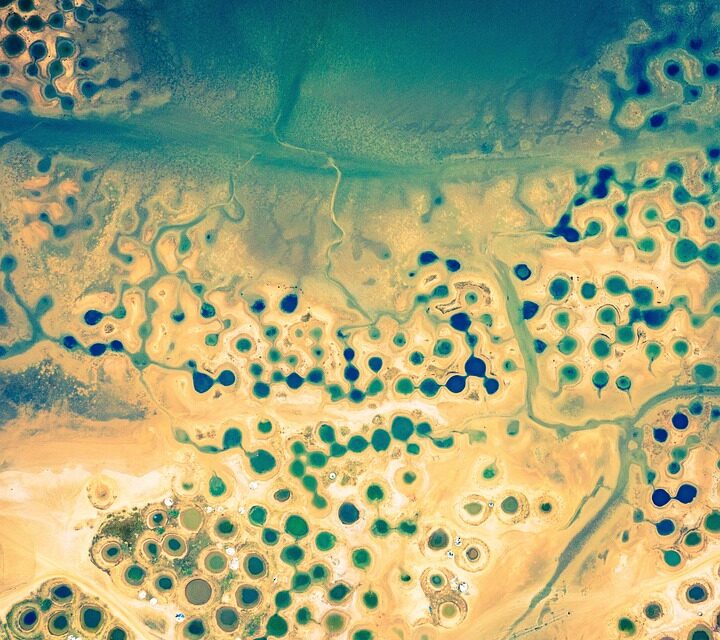
Senegal, a vibrant jewel in West Africa, boasts a unique tapestry of natural wonders, rich history, diverse cultures, and warm hospitality. Yet, hidden beneath its iconic landmarks, such as Goree Island and the pink waters of Lake Retba, lie countless lesser-known destinations and experiences that await the curious traveller. Whether you’re a history enthusiast, a foodie in search of authentic flavours, or an adventurer chasing remote landscapes, Senegal has plenty to offer.
In this detailed guide, we’ll dive deep into the hidden wonders of Senegal, providing you with travel tips for an unforgettable journey, practical advice, and insider recommendations to craft a truly remarkable adventure. By the end of this article, you’ll be inspired to explore Senegal and confident in planning every step of your trip.
Discovering the Hidden Gems of Senegal
When most people think of Senegal, they imagine the bustling markets of Dakar, the UNESCO-listed Gorée Island, or the peculiar pink waters of Lac Rose (Lake Retba). While these well-known attractions are must-visit destinations, the true magic of Senegal lies in its lesser-known treasures. Here’s a curated list of hidden gems for your itinerary:
1. The Sine-Saloum Delta: A Spectacular Wetland Wonderland
Nestled between the Atlantic Ocean and mainland Senegal, the Sine-Saloum Delta is a breathtaking mosaic of mangroves, lagoons, and islets. Known for its incredible biodiversity, this UNESCO World Heritage site will captivate nature lovers, birdwatchers, and eco-tourists alike.
What to do:
- Embark on a pirogue (traditional canoe) ride through serene waters, where you’ll spot flamingos, pelicans, and other rare bird species.
- Discover the local Serer culture by visiting the fishing villages that line the delta, and enjoy freshly caught seafood.
- Try your hand at salt harvesting – a fascinating local industry in the region.
2. Bassari Country: A Cultural Time Capsule
If immersing yourself in tradition and history is your idea of adventure, the Bassari Country region near Senegal’s southeastern border has you covered. Home to the Bassari, Bedik, and Fula ethnic groups, this historically rich region offers a cultural experience unlike any other in Senegal.
What to do:
- Attend the vibrant initiation ceremony, a coming-of-age celebration within Bassari communities, if your travel dates align.
- Hike through rolling hills and lush landscapes to the Bedik villages, where ancient traditions meet stunning rural views.
- Explore the Tambacounda region’s weekly markets for artisan crafts and souvenirs.
Practical Travel Tips: Planning Your Senegal Adventure
Before you set out to explore Senegal’s hidden wonders, understanding a few essential travel tips will ensure your journey is not only memorable but also smooth and enjoyable.
1. Best Time to Visit Senegal
Senegal enjoys a tropical climate, and the weather can vary depending on the time of year.
- Dry Season (November to May): Ideal for travel, with comfortable temperatures and less rainfall.
- Wet Season (June to October): Lush landscapes but high humidity and frequent thunderstorms.
For most activities, including wildlife spotting, hiking, and comfortable exploration, the dry season is highly recommended.
2. Documents & Visa Requirements
Senegal allows visa-free entry for many nationalities, including tourists from most African countries, the EU, and the US. However, regulations can vary, so it’s always wise to confirm visa requirements before planning your trip.
Ensure you have:
- A passport valid for at least six months beyond your travel date.
- Vaccination proof for Yellow Fever if travelling from a risk zone.
3. Packing Essentials
When exploring both urban centres and rural regions, packing the right gear will prove invaluable:
- Light, breathable clothing (Senegal is hot and humid).
- Comfortable walking shoes essential for exploring hiking trails and uneven terrain.
- Insect repellent to avoid mosquito bites, particularly in delta or forested areas.
- Portable water filter if you plan extended stays in remote areas.
Senegalese Cuisine: A Taste of the Authentic
When travelling through Senegal, the local food is an experience not to be missed. Senegalese cuisine is a reflection of its history and culture, blending African, French, and Arabic influences.
Top Dishes to Try:
- Thieboudienne (Chebu jen): Often referred to as the national dish of Senegal, this flavourful rice and fish dish is a must-try!
- Yassa Poulet: Chicken smothered in a tangy onion and lemon sauce, served with rice.
- Lakh: A sweet millet porridge often enjoyed by locals for breakfast or dessert.
- Refresh your palate with bissap, a vibrant hibiscus-based drink served cold.
Insider Tip: Visit Dakar’s bustling local markets such as Marché HLM and Marché Sandaga to sample street food or buy spices to take home.
Accommodations: From Luxury to Local
Senegal accommodates all types of travellers. Whether you’re comfortable with luxury or prefer an intimate stay with local flair, here are some recommendations:
- Boutique Hotels in Dakar: Try the oceanfront Hotel Sokhamon, known for its traditional-inspired architecture.
- Ecolodges in Sine-Saloum Delta: Stay at Les Collines de Niassam, offering bungalows nestled among baobabs.
- Community-Based Stays: Experience authentic hospitality by staying in a local family’s home in the Bassari region.
Responsible and Sustainable Tourism
Senegal’s hidden wonders flourish due to their connection to local environments and communities. To ensure your visit has a positive impact:
- Support local artisans and businesses instead of large corporations.
- Avoid purchasing products made from unsustainable materials like coral or ivory.
- Respect cultural norms and traditions, particularly when visiting rural areas.
Travelling with Nihosi Travels & Tours
If planning and navigating a new country feels overwhelming, why not leave it to experts? Nihosi Travels & Tours (www.nihositravels.com) offers curated travel packages that allow you to seamlessly explore Senegal’s hidden gems. Whether you dream of embarking on a wildlife safari, experiencing authentic Senegalese culture, or cruising in a pirogue through the Sine-Saloum mangroves, you can rely on Nihosi for personalised and expertly guided experiences.
FAQs About Travelling Through Senegal
Here are answers to commonly asked questions to help you plan your Senegal trip:
-
What languages are spoken in Senegal?
Senegal’s official language is French, but you’ll find Wolof widely spoken, along with other local dialects. -
Is Senegal safe for travellers?
Senegal is considered one of West Africa’s most stable and welcoming countries. However, like any destination, remain cautious in busy cities and avoid isolated areas at night. -
Do I need vaccinations for Senegal?
Yes, tourists are required to have a Yellow Fever certificate, and it’s advisable to be vaccinated against hepatitis, typhoid, and take malaria precautions. -
Can I visit Senegal on a budget?
Absolutely! Shared taxis, local food, and budget accommodations make Senegal affordable for travellers. -
What currency is used in Senegal?
Senegal uses the West African CFA Franc (XOF). Carry cash in rural areas, as card payments and ATMs are limited.
Final Thoughts
Senegal is not just a destination; it’s a journey into the very heart of African adventure and hospitality. From hidden reaches of the Sine-Saloum Delta to the vibrant beats of Dakar’s music scene, your memories of Senegal will reflect a whole spectrum of experiences. Armed with these travel tips and insights, you’ll be fully prepared to uncover the wonders of this enchanting West African nation.
Ready to book your dream adventure? Start with Nihosi Travels & Tours and let them guide you to Senegal’s unforgettable wonders.
With cultural richness, natural beauty, and once-in-a-lifetime experiences awaiting, Senegal is ready to write your next great travel story. Where will your adventure begin?











Subscribe To Our Newsletter
Join our mailing list to receive the latest news and updates from our team.
You have Successfully Subscribed!