
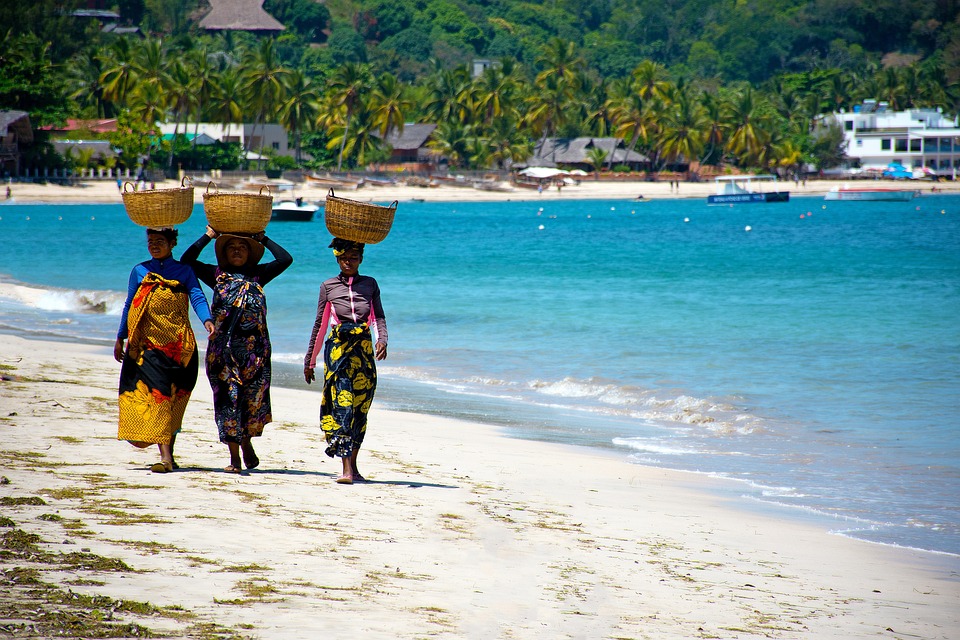
Madagascar, the enchanting island sitting off the southeastern coast of Africa, is like no other destination in the world. Famous for its unique biodiversity, stunning landscapes, and welcoming locals, it boasts a charm that lures travellers from all corners of the globe. If you’re planning your first trip to Madagascar, congratulations—you’re in for an unforgettable adventure. But with such a vast and diverse array of things to see and do, planning your trip can feel overwhelming. We’re here to help guide you step by step so you can prepare for your epic Madagascar getaway.
In this article, we’ll cover everything you need to know about visiting Madagascar, from must-see destinations to practical travel tips. Whether you’re drawn by the unique wildlife, pristine beaches, or cultural heritage, we’ll help you craft a journey that’s perfect for your interests and timeline.
Why Choose Madagascar for Your Next Adventure?
Madagascar is not just a place—it’s an experience in itself. Known as the “eighth continent,” this island boasts an extraordinary mix of flora, fauna, and natural landscapes. Imagine walking through towering baobab forests, spotting lemurs in lush rainforests, lounging on unspoiled beaches, and mingling with locals who have deep-rooted cultural traditions.
Here are a few reasons why Madagascar should be on your bucket list:
- Wildlife Haven: Madagascar is home to species you won’t find anywhere else, including lemurs, chameleons, and exotic birdlife.
- Breathtaking Scenery: From the Avenue of the Baobabs to the jagged Tsingy de Bemaraha, the landscapes are unparalleled.
- Cultural Richness: Malagasy culture is a tapestry of African, Asian, and European influences, offering unique art, food, and traditions.
- Adventure Opportunities: Whether you’re into hiking, diving, or whale watching, Madagascar has it all.
Planning the Perfect Madagascar Itinerary
Madagascar’s size and infrastructure mean that careful planning is essential. Here’s how you can craft the perfect itinerary:
1. Choose the Right Time to Visit
- The best time to visit Madagascar depends on what you want to do.
- April to October (Dry Season): Ideal for trekking, wildlife viewing, and beach holidays.
- November to March (Rainy Season): Lush landscapes and the best time for birdwatching, but some areas may be harder to access due to heavy rains.
- Whale watching on the eastern coasts is best from June to September, while baby lemurs are typically born around October.
2. Set Your Priorities
Madagascar offers a diverse array of experiences. Ask yourself: What excites you most?
- Wildlife lovers: Focus on rainforests like Andasibe-Mantadia National Park or Ranomafana.
- Adventure seekers: Explore the Tsingy de Bemaraha, go snorkelling in Nosy Be, or take a trekking expedition in Isalo National Park.
- Beach bums: Don’t miss the pristine shores of Île Sainte-Marie or Nosy Boraha.
Pro Tip: Don’t try to see everything in one trip. Madagascar is vast, and getting from place to place can take time due to limited infrastructure.
The Top Destinations in Madagascar
Let’s explore the must-visit spots that will make your first trip unforgettable:
1. Antananarivo (Tana)
Your journey will likely begin in Madagascar’s capital. Antananarivo, locally known as Tana, is a bustling city filled with colourful markets, historic landmarks, and hilltop views. Be sure to visit:
- Rova of Antananarivo: A royal palace filled with history.
- Analakely Market: Perfect for shopping for local crafts and souvenirs.
2. Andasibe-Mantadia National Park
Just a short drive from Tana, this park is famous for its lemur populations, particularly the Indri Indri, the largest species. You’ll also see orchids, chameleons, and exotic birds.
3. Avenue of the Baobabs
One of the most iconic sites in Madagascar, this dirt-road avenue lined with towering baobabs is especially magical at sunrise or sunset.
4. Isalo National Park
Located in the south, Isalo offers breathtaking sandstone landscapes. Go hiking to discover natural swimming pools, waterfalls, and the famous “Windows of Isalo” rock formation.
5. Nosy Be
Love beaches? Nosy Be is your paradise. It’s an island of white sands, azure waters, and coral reefs teeming with marine life. Activities like diving, snorkelling, and sunset cruises are not to be missed.
Navigating Madagascar: Logistics You Need to Know
1. Flights to Madagascar
Most travellers arrive via Ivato International Airport in Antananarivo. Direct flights are available from various international hubs like Paris, Nairobi, and Johannesburg.
Pro Tip: Always book your outbound and connecting flights well in advance, especially during peak travel seasons.
2. Getting Around Madagascar
Public Transport: The most common form of transport is a minibus taxi (known as bush taxis or taxis-brousses), but these can be slow and crowded.
Car Rental: Hiring a car with a driver is highly recommended for comfort and flexibility.
Domestic Flights: For long distances, Air Madagascar (Tsaradia) connects major cities and tourist hubs.
3. Travel Budget
Madagascar is affordable but keep these costs in mind:
- Accommodation: Prices range from basic guesthouses to luxurious lodges.
- Food: Meals are budget-friendly. Expect to spend about $3–$15 per meal.
- Tours & Transportation: Hiring guides, drivers, and booking national park tours can add up, but the experiences are worth it.
Packing Tips for Madagascar
What you pack will depend on your itinerary and the season. Use this checklist to ensure you’re prepared:
- Clothing: Lightweight, breathable fabrics for warm days; a light jacket for cooler evenings. Don’t forget sturdy walking shoes.
- Essential Gear: A good backpack, sunscreen, insect repellent, and reusable water bottles.
- Documents: Ensure your passport is valid for at least six months and check the visa requirements for your nationality.
Safety & Travel Tips
-
Stay Healthy
- Take preventive measures against malaria, such as anti-malarial medication and mosquito repellents.
- Drink bottled or filtered water to avoid stomach ailments.
-
Respect Local Customs
Malagasy culture is rich in traditions. For instance, the concept of fady (taboos) varies by region; respecting these is critical. -
Eco-Tourism
Madagascar’s ecosystems are fragile. Support ethical tour companies and avoid practices that harm wildlife or the environment.
FAQ Section
Below are answers to frequently asked questions to help you prepare for your trip to Madagascar:
What is the best time to visit Madagascar?
The dry season (April–October) is ideal for most activities, while the rainy season (November–March) is great for birdwatching and exploring lush landscapes.
What currency is used in Madagascar?
The currency is Malagasy Ariary (MGA). Exchange some cash on arrival, as ATMs can be scarce outside cities.
Do I need a visa to travel to Madagascar?
Most visitors will need a visa, which can often be obtained on arrival or online before departure. Check the latest requirements before your trip.
Is it safe to travel in Madagascar?
Madagascar is generally safe for tourists, but like any destination, exercise normal precautions such as securing your belongings and keeping cash minimal.
Wrapping Up
Madagascar is an adventurer’s dream, offering experiences as unique as its biodiversity. With thoughtful planning, your first trip to this incredible island can be as stress-free as it is memorable. From wildlife safaris to cultural encounters, Madagascar guarantees memories you’ll treasure for a lifetime.
If you’re ready to start planning your dream trip to this exotic destination, consider reaching out to Nihosi Travels & Tours. Their expert insights and local connections can help you craft a travel experience that’s nothing short of extraordinary.
What are you waiting for? Pack your bags and let Madagascar surprise you with its wonders!









Subscribe To Our Newsletter
Join our mailing list to receive the latest news and updates from our team.
You have Successfully Subscribed!