
Luxembourg’s UNESCO Treasures: Explore the Best of its World Heritage Sites
When it comes to enchanting European destinations, Luxembourg might not make the top of every traveller’s bucket list—but it certainly should. Tucked snugly between Germany, Belgium, and France, Luxembourg offers an unparalleled blend of natural beauty, modern sophistication, and historic charm. Small on the map but bold in heritage, this country also boasts a UNESCO World Heritage Site that draws in history buffs, architecture enthusiasts, and curious travellers from all over the globe.
In this article, we’ll dive deep into Luxembourg’s UNESCO treasures, explore why they’re worth your time, and provide actionable tips to make the most of your visit. Whether you’re planning a trip or simply daydreaming about one, get ready to unveil the wonders of one of Europe’s most underrated gems.
A World Heritage Gem in the Heart of Europe
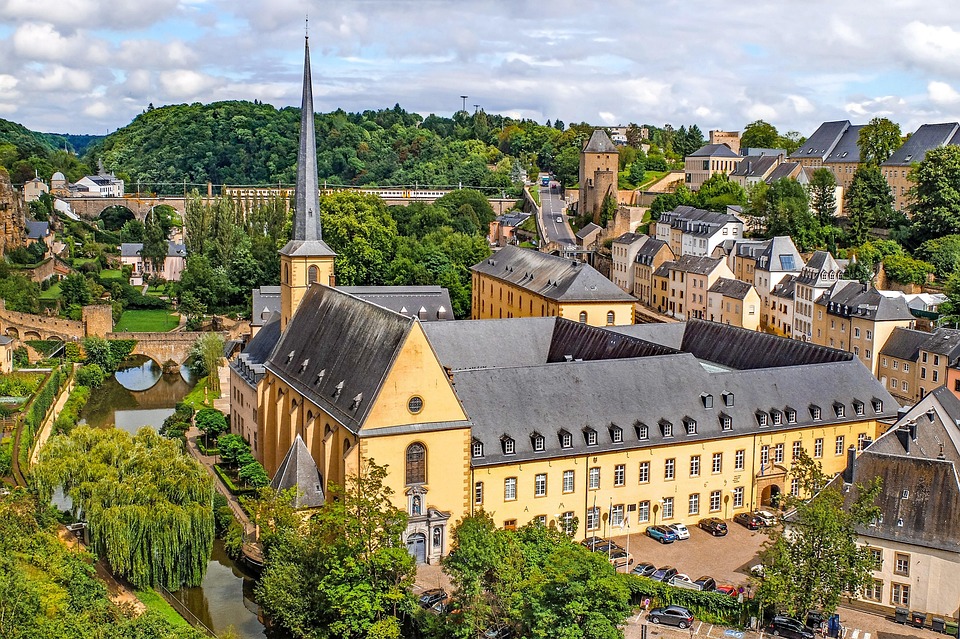
Luxembourg may be tiny in size, but its cultural and historical significance is gigantic. The country’s capital city, Luxembourg City, is home to the UNESCO-listed “Fortifications and Old Quarters”, a testament to its important role in Europe’s defence and evolution over the centuries.
The story of Luxembourg’s World Heritage site begins in 1994, when UNESCO (the United Nations Educational, Scientific and Cultural Organization) recognised the structural and historical importance of Luxembourg City. The fortified old quarters represent a fascinating blend of medieval ingenuity, Renaissance advancements, and later improvements by some of Europe’s most renowned military architects.
Let’s start by exploring these fortifications and uncover the hidden secrets that make Luxembourg a standout on the global heritage map.
The Fortifications of Luxembourg: A Masterclass in Military Architecture
Historically referred to as the “Gibraltar of the North,” Luxembourg City was one of Europe’s strongest fortified sites throughout the Middle Ages and beyond.
1. A Brief History of the Fortifications
Luxembourg’s elevated position above the Alzette and Pétrusse rivers made it a natural stronghold. By the 10th century, Luxembourg was already considered impenetrable due to its robust defences. Over the centuries, European superpowers fought fiercely for control of the city, passed between rulers from the Holy Roman Empire to Spain, France, and eventually Prussia.
The genius behind Luxembourg’s fortifications lay in their strategic adaptability. They grew and evolved as military technology advanced, incorporating deep moats, cannons, and underground passages that could safely move troops while keeping enemies at bay.
One of the most striking aspects of visiting the fortifications today is how effortlessly they blend historic military design with stunning natural surroundings. Touring these structures feels like stepping into a time machine, with every corner offering a glimpse into Luxembourg’s tumultuous yet fascinating past.
The Casemates: An Underground Adventure
When visiting Luxembourg’s UNESCO treasure, touring the famous Casemates du Bock and Petrusse is an absolute must. These extensive tunnel systems form an underground labyrinth that dates back to the 17th century. Stretching more than 23 kilometres at their peak, the Casemates are both a marvel of engineering and a gripping reminder of how wars were fought in Europe.
Quick Tips for Exploring the Casemates:
- Wear comfortable footwear. These tunnels can be steep and uneven in places.
- Don’t rush through. Many visitors miss fascinating details such as the cannon embrasures and underground chambers.
- Plan ahead. Guided tours often provide insights that are easy to miss when exploring on your own.
The Casemates also serve as an incredible photo opportunity. Looking out from the openings in the fortress walls, you’ll be treated to awe-inspiring views of the Alzette Valley and the quaint neighbourhoods below.
Old Quarters of Luxembourg: Charming Streets and Timeless Beauty
Beyond the sturdy walls and underground tunnels, Luxembourg City’s Old Quarters are equally worthy of their UNESCO status. These cobblestone streets evoke a sense of timelessness, blending Gothic, Romanesque, and Baroque architecture in a way that leaves every visitor entranced.
Key Spots to Visit in the Old Quarters:
- Corniche: Often referred to as “Europe’s most beautiful balcony,” the Corniche is a promenade that offers panoramic views of the Grund district below. It’s one of the most iconic sights in Luxembourg and a favourite for photographers.
- Grand Ducal Palace: The official residence of the Grand Duke remains a striking symbol of Luxembourg’s monarchy, with guided tours available during certain times of the year.
- Grund Neighbourhood: Quiet yet picturesque, this neighbourhood is perfect for a leisurely stroll or an al fresco coffee in one of its charming cafes.
Fun fact: Today, many of the Old Quarters’ buildings house museums, cafes, and boutique shops, giving the ancient streets a vibrant, contemporary feel.
When to Visit Luxembourg’s Heritage Sites
Timing is everything, and Luxembourg is delightful year-round. With that in mind, your choice of season can greatly enhance your experience.
- Spring (April–June): Nature awakens, and Luxembourg’s greenery provides a stunning backdrop to its historic sites.
- Summer (July–August): Warm weather and long days make it an ideal time for outdoor exploration—though expect more crowds.
- Autumn (September–November): The fall foliage adds another layer of magic to the old city and its fortifications.
- Winter (December–February): Luxembourg City’s Christmas markets create a festive atmosphere in this heritage-rich destination.
Practical Information for Visitors
Here’s everything you need to know to plan your visit effectively:
- Language: Luxembourg is multilingual! You’ll find locals speaking Luxembourgish, French, German, and English.
- Getting Around: The city is highly walkable, though buses and trams are a convenient option when venturing between neighbourhoods.
- Tickets: Entry to sites like the Casemates comes with a small fee (around €7 per adult), but discounts are often available.
For a stress-free trip, consider booking a guided experience through Nihosi Travels & Tours, where experts provide in-depth historical insights while making sure you see all the highlights.
Why Luxembourg’s UNESCO Site Deserves Your Attention
While larger European cities grab the limelight, Luxembourg City quietly shines as one of Europe’s most compelling destinations. With its unique heritage as a fortified city, its rich cultural layers, and its easy accessibility, Luxembourg offers a one-of-a-kind experience for history lovers, architecture buffs, and travellers seeking something refreshingly different.
By immersing yourself in Luxembourg’s UNESCO treasures, you’ll gain a deeper appreciation for both the history that shaped Europe and the endurance of a city that remains a thriving example of architectural and cultural adaptation.
FAQs About Luxembourg’s World Heritage Sites
1. What makes Luxembourg a UNESCO World Heritage Site?
The city’s exceptional fortifications and beautifully preserved Old Quarters, showcasing centuries of military and cultural evolution.
2. How can I explore the fortifications?
Start with the Bock Casemates, then take a walking tour along the fortification walls.
3. What’s the best time to visit the Casemates?
Spring and autumn are ideal for cooler temperatures and lighter crowds.
4. Are guided tours worth it?
Absolutely! Primed guides offer detailed insights into Luxembourg’s military history and its architecture.
5. Are the sites family-friendly?
Yes, though some areas like the tunnels may not be suitable for small children due to steep steps and narrow passages.
6. How much time should I spend exploring?
Half a day is recommended for the highlights, but a full day will allow time for a relaxed exploration.
By following this guide, you’ll uncover the rich wonders of “The Gibraltar of the North” and walk away with unforgettable memories. Still waiting to book your trip? Luxembourg is calling, so why not answer?
End your journey on a high note by booking with Nihosi Travels & Tours to ensure a seamless Luxembourg experience. Visit their website for a range of heritage tours and curated travel packages.
Explore. Engage. Experience. Luxembourg awaits!










Subscribe To Our Newsletter
Join our mailing list to receive the latest news and updates from our team.
You have Successfully Subscribed!