
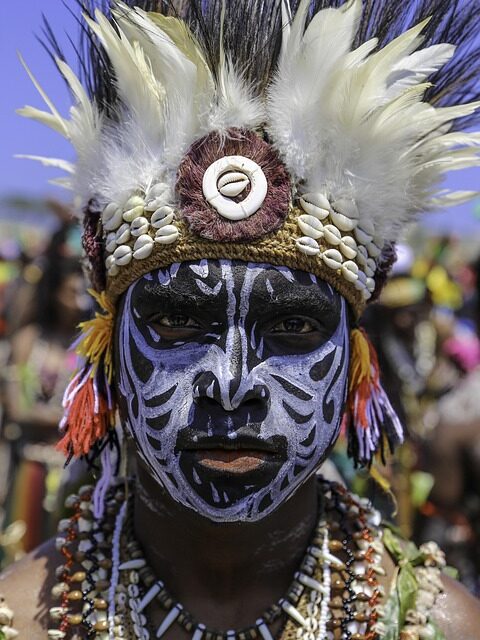
Papua New Guinea (PNG) is more than just a speck on the world map. It’s a land of raw, unspoilt beauty, vibrant traditions, and unimaginable diversity. For the adventurous traveller, it promises an experience like no other—a kaleidoscope of mesmerising landscapes, rich tribal cultures, and sensational wildlife encounters. But how can you ensure your journey to this lesser-treaded corner of the globe becomes the adventure of a lifetime? Buckle up, because this guide will take you through Papua New Guinea like you’ve never seen it.
Why Papua New Guinea Stands Out
Papua New Guinea is far from an ordinary destination. Nestled in the Pacific Ocean, north of Australia, this island nation feels as though it has stubbornly resisted the modernity that has swept through much of the rest of the world. Instead, it’s a kingdom ruled by nature and culture, with more than 800 spoken languages (yes, you read that right!) and a way of life that has endured for centuries. Whether you’re seeking remote beaches, mountain adventures, or cultural immersion, PNG is your answer.
For those itching to get off the beaten path in 2025, keeping Papua New Guinea on your radar might just be the ultimate travel hack.
Insider Tips for Travelling Through Papua New Guinea
1. How to Get There and Around
Let’s start with the essentials—how to navigate Papua New Guinea, especially since it’s infamous for its rugged terrain.
- Entry Point: Most international flights arrive at Port Moresby’s Jacksons International Airport. If you’re coming from neighbouring Australia, the journey is direct and relatively seamless. Travellers from Europe or North America, however, should prepare for a few connecting flights.
- Domestic Transport Challenge: Navigating PNG can be tricky due to its limited infrastructure—there are no nationwide road networks connecting major towns. Get comfortable with flying small planes, as air travel with carriers like Air Niugini and PNG Air is a necessity for travelling between regions.
- Taxis and PMVs: Public Motor Vehicles (PMVs) are the local minivans used for transport. While they may be an adventure in their own right, they’re not always the safest or most reliable option for tourists. Where possible, book private transport through reputable companies or your accommodation.
2. Best Time to Visit Papua New Guinea
Wondering when to book those flights? Here’s what you need to know about Papua New Guinea’s seasons:
- The ideal time to visit is during the dry season (May to October), which offers pleasant weather and easier accessibility to many regions.
- The wet season (November to April), particularly between December and March, brings heavy rainfall to most parts of the country. Landslides and flooding can make exploring remote areas challenging and even hazardous.
💡 Pro Tip: Plan your trip to coincide with one of PNG’s legendary festivals, such as the Mount Hagen Cultural Show or the Goroka Show, where you’ll witness tribal costumes, dance, and traditions come alive in a burst of colour and energy.
3. Embrace PNG’s Unrivalled Nature
PNG is a paradise for nature enthusiasts. Whether you’re hiking through misty forests or scuba diving in vibrant coral reefs, the country’s natural offerings are spectacular.
Must-Visit Natural Attractions:
- The Kokoda Track: Legendary among historians and adventure-seekers alike, this 96km trail takes you through WWII battle sites and stunning jungles.
- Rabaul Volcano Observatory: Feeling adventurous? Watch powerful volcanoes in action in East New Britain Province.
- Scuba Diving at Milne Bay: Dive into some of the clearest waters on Earth, with incredible marine life like hammerhead sharks and pygmy seahorses.
- Tufi Fjords: These hidden tropical fjords rival Norway’s landscapes, but with even fewer crowds and a tropical climate.
- Sepik River: Explore lush, picturesque riverbank villages while cruising PNG’s longest river.
💡 Insider Insight: Always hire a guide for hikes and treks. Papua New Guinea’s wilderness is as untamed as it is beautiful, and local guides ensure you stay safe while gaining fascinating cultural and historical insights.
4. Cultural Encounters: PNG’s Living Tribes
Perhaps the biggest highlight of any trip to Papua New Guinea is its people. The nation boasts more than 800 unique tribes, each with its own language, customs, and artistic expressions.
- Huli Wigmen: One of the most recognisable tribes, they’re famous for their elaborate wigs crafted from human hair and their striking face paint.
- Asaro Mudmen: Found in the highlands, these tribes stand out thanks to their haunting clay masks and theatrical performances.
When meeting locals and exploring traditional villages, be mindful of etiquette:
- Always ask permission before taking photographs.
- Offer small gifts such as food or toiletries, which are often appreciated.
💡 Expert Tip: The Tari Basin is one of the best areas to meet local tribes while staying at eco-lodges like Ambua Lodge, which ensures a sustainable, respectful experience.
5. Stay Safe: Important Tips for Tourists
While Papua New Guinea is stunningly beautiful, it’s important to approach travel here with a sense of caution and mindfulness.
- Urban Areas: Port Moresby can be unsafe at times, so stick to daylight exploring and avoid wandering alone after dark.
- Travel Insurance: Essential! PNG’s medical infrastructure, particularly in remote areas, is limited.
- Guides and Tour Operators: Partner with reputable companies like Nihosi Travels & Tours, who are seasoned experts in navigating PNG’s complexities.
- Health Matters: Prepare for tropical conditions. Carry mosquito repellent, and ensure you’re vaccinated against diseases like hepatitis and typhoid.
- Cultural Sensitivity: PNG is a conservative country. Dress modestly and respect traditional customs.
6. Where to Stay for Comfort (and Adventure)
When we think of Papua New Guinea, we might not imagine luxury resorts, but there are hidden gems offering comfort without compromising the adventure.
Top Picks for Accommodation:
- Rondon Ridge Lodge (Western Highlands): Luxury in the highlands with panoramic views.
- Walindi Plantation Resort (Kimbe Bay): Perfect for divers seeking access to some of PNG’s best reefs.
- Tufi Dive Resort: Combining tranquillity, unmatched fjord scenery, and access to impeccable diving spots.
- Kokopo Beach Bungalow Resort: An idyllic retreat in East New Britain for ocean lovers.
7. Savour the Local Cuisine
Papua New Guinea’s food mirrors its people: simple yet incredibly diverse. While dining here, you’ll likely sample sweet potatoes, sago, and locally caught seafood. For a local treat, try the traditional dish called mumu, cooked underground with heated stones.
Don’t be afraid to eat at roadside markets—fresh fruits, roasted corn, and smoked fish will introduce you to the true essence of PNG’s culinary flavour.
8. Why Papua New Guinea is 2025’s Travel Treasure
While tourism in Papua New Guinea remains relatively undeveloped compared to neighbouring countries, this is precisely the charm. PNG is one of the last frontiers of authentic travel, free from over-tourism and Instagram clichés.
By 2025, nations like PNG will likely have made strides in eco-tourism initiatives, boosting sustainability and making the country more accessible to a wider range of travellers.
💡 Tip for Trendsetters: Now is the perfect time to discover Papua New Guinea before the rest of the world catches on.
Papua New Guinea: FAQ Section
json
Final Thoughts
Papua New Guinea is a hidden gem begging to be explored. Whether you’re trekking through its ancient landscapes, diving into its marine-rich waters, or meeting its warm, colourful people, this unforgettable destination will leave you with memories to last a lifetime. Start planning your journey to PNG today, and let Nihosi Travels & Tours help you unlock its magic.









Subscribe To Our Newsletter
Join our mailing list to receive the latest news and updates from our team.
You have Successfully Subscribed!