
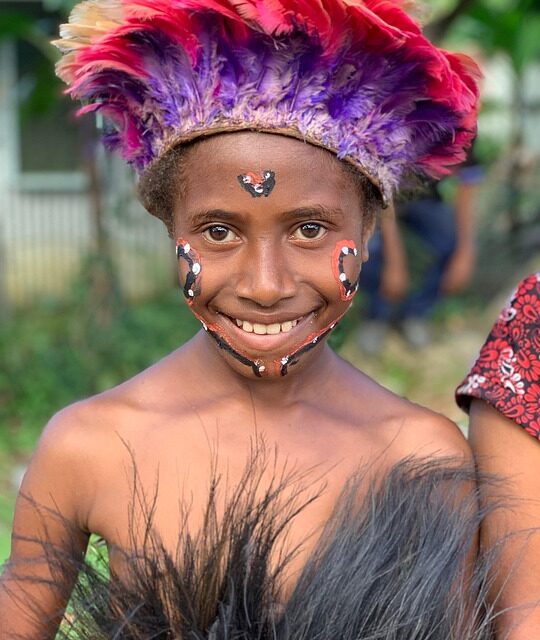
In the heart of the Pacific, Papua New Guinea emerges as a mosaic of cultures, pristine landscapes, and untamed beauty. Known for its ethnolinguistic diversity and awe-inspiring natural wonders, the country offers travellers an unparalleled experience. Whether you’re an adventure enthusiast, a cultural explorer, or simply someone seeking peace in nature’s raw embrace, Papua New Guinea’s allure is impossible to ignore.
This guide will take you on a journey through Papua New Guinea’s top cultural and natural attractions, weaving in practical insights, travel tips, and captivating stories from this unique land. Ready to explore the last great adventure of the Pacific?
Why Visit Papua New Guinea?
Papua New Guinea offers more than just a retreat into nature—it’s a rich, multi-sensory experience. The country is home to over 800 languages and innumerable cultural traditions that have thrived in isolation. From witnessing traditional sing-sings (tribal festivals) to hiking the rugged mountains or diving in crystal-clear waters, there’s no shortage of treasures here.
But why is Papua New Guinea becoming the latest bucket-list destination? Let’s dive in.
Cultural Wonders of Papua New Guinea
1. The Highlands & Its Ethnic Tapestry
The Highlands of Papua New Guinea are not just a geographical region—they are an anthropological wonderland. With tribes like the Huli Wigmen, Asaro Mudmen, and Simbu, this area provides an authentic window into Papua New Guinea’s ancient traditions.
Must-Visit Highlights:
- Huli Wigmen of Tari: Known for their elaborate headdresses made of feathers and brightly painted faces, the Huli Wigmen are one of Papua New Guinea’s most famous tribes. Attending a Huli sing-sing is an unforgettable experience.
- Mount Hagen Cultural Show: This annual event gathers over 50 tribes showcasing their dance, costumes, and folklore. Vibrant and surreal, it’s a photographer’s dream.
- The Goroka Festival: Another iconic celebration, this event draws tribes from all over the country, uniting them in a spectacular display of music, performances, and traditional costumes.
2. The Sepik River: Culture Flowing Along the Waters
The Sepik River snakes its way through Papua New Guinea, bringing life to nearby communities that have retained their traditions for centuries. This area boasts a robust carving and artisan culture, with villages specialising in intricate masks, spiritual figures, and artefacts.
Places to Explore:
- Middle Sepik Region: Known for its ancestral spirit houses, this is where you’ll find elaborately carved totems and hear tales of mythology passed down the generations.
- Crocodile Festival: Held in August, this festival honours the crocodile, a sacred creature in the region, with dance performances and sacred rituals.
Tip: Bring plenty of kina (the local currency) to purchase authentic handicrafts from local markets. Each piece tells a story you’ll want to take home.
Natural Wonders of Papua New Guinea
Beyond its rich cultural heritage, Papua New Guinea is a haven for outdoor enthusiasts and eco-adventurers. Here are its top natural attractions:
3. The Kokoda Track: A Trek Through History
For trekkers and history buffs, the Kokoda Track is a must. Stretching over 96 kilometres, this challenging trail traverses dense jungles and rugged landscapes. More than just a hike, it was a significant battleground during World War II, serving as a poignant reminder of the sacrifices made during the Kokoda Campaign.
What You’ll See:
- Verdant tropical rainforests teeming with diverse flora and fauna.
- Historical sites and war memorials like Isurava Memorial.
- Opportunities to interact with locals in remote villages who live along the trail.
Pro Tip: Best time to trek is during the dry season (May to October) to avoid heavy rains that can make the trail hazardous.
4. Diving and Snorkelling in the Coral Triangle
Papua New Guinea’s marine biodiversity is unrivalled, making it a top destination for diving and snorkelling enthusiasts. Located in the Coral Triangle, its waters are home to majestic coral gardens, thousands of species of reef fish, and even wartime shipwrecks.
Top diving spots include:
- Kimbe Bay: Known for its pristine reefs, this site is ideal for underwater photography.
- Milne Bay Province: Famous for spectacular muck diving, this area is home to rare marine creatures.
- Tufi Fjords: Combining the beauty of underwater adventure with dramatic fjord landscapes.
5. Volcanoes of Rabaul
Rabaul, located on New Britain Island, is a town dominated by its surrounding volcanic landscape. The 1994 eruption of Tavurvur and Vulcan may have engulfed parts of the city under ash, but the area remains steeped in natural beauty and mystery.
Key Highlights:
- Tavurvur Volcano: Adventurous travellers can hike the volcano for sweeping views of the caldera.
- Rabaul Volcanological Observatory: Learn about the area’s geological activity and history.
- Sunken war relics: Explore submerged WWII aircraft and wrecks through snorkelling excursions.
6. The Stunning Fjords of Tufi
The fjords at Tufi are a natural marvel, created by ancient volcanic activity. Today, their calm waters, lined with lush tropical forests, make for one of the most serene destinations in Papua New Guinea. Whether it’s kayaking, snorkelling, or simply soaking in the tranquillity, Tufi is unmatched.
Nitty-Gritty Travel Tips for Visitors
- When to Visit: The best time to explore Papua New Guinea is during the dry season, typically from May to October.
- Getting Around: Domestic flights are the most practical way to get between regions due to Papua New Guinea’s rugged terrain.
- Cultural Etiquette: Always seek permission before taking photographs of locals, as some consider it intrusive.
- Safety Note: While Papua New Guinea is generally welcoming, certain areas require caution. Stick to well-organised tours or local guides for a seamless and safe experience.
Frequently Asked Questions (FAQs)
Q1: Is Papua New Guinea safe for solo travellers?
A: While solo travellers are welcome, it’s advisable to join guided tours or group excursions for trips outside major towns due to safety concerns in remote areas.
Q2: Can I use my mobile phone in Papua New Guinea?
A: Telecom services are available in urban hubs like Port Moresby, but reception is often patchy in rural areas. Purchasing a local SIM card can be helpful.
Q3: What vaccinations do I need?
A: It’s recommended to have vaccinations for Hepatitis A & B, Typhoid, and Malaria prophylaxis before your trip.
Q4: Are there sustainable tourism initiatives in Papua New Guinea?
A: Yes! Many eco-lodges and community-based tourism programmes allow you to explore while benefiting local communities.
Nihosi Travels & Tours: Your Gateway to Papua New Guinea
For a seamless and impactful journey through Papua New Guinea, consider Nihosi Travels & Tours. Their curated trips not only immerse you in the country’s wonders but also ensure an ethical and meaningful travel experience. Whether it’s trekking the Kokoda Trail or diving in Milne Bay, they’ll pave the way for memories that will last a lifetime.
Papua New Guinea is more than a destination—it’s a storyteller’s paradise where every corner whispers a tale of ancient practices, untamed landscapes, and resilient communities. So, pack your bags, take the plunge, and unravel the mysteries of this extraordinary land.









Subscribe To Our Newsletter
Join our mailing list to receive the latest news and updates from our team.
You have Successfully Subscribed!