
Nestled at the crossroads of Central and South Asia, Afghanistan is a land where natural beauty, ancient history, and rich culture come together in a vivid tapestry unmatched anywhere else in the world. For centuries, this rugged yet captivating country has drawn travellers, merchants, and adventurers enchanted by its towering mountain ranges, timeless cities, and a legacy of diverse civilizations.
Today, Afghanistan stands as an untapped gem. A truly exceptional destination for explorers who long to experience a blend of extraordinary landscapes, ancient traditions, and heartwarming hospitality. In this article, we’ll delve into Afghanistan’s majestic mountains, its historical cities, and the country’s rich cultural heritage to inspire and guide your exploration of this remarkable land.
Why Afghanistan Deserves a Spot on Your Travel Bucket List
Ever wondered why so many ancient trade routes, including the famed Silk Road, passed through Afghanistan? Its geography and history provide the answer. Situated at the intersection of East and West, the country has long been a vibrant cultural melting pot that bridges civilisations. Afghanistan offers high-altitude adventure, untold tales of historic empires, and encounters with warm-hearted locals eager to share their traditions.
Exploring Afghanistan goes beyond ticking off tourist destinations—you’ll immerse yourself in a journey where every mountain pass, ancient monument, and bustling market tells a story of resilience and beauty.
From Bamiyan’s colossal Buddhas to the breathtaking Wakhan Corridor and the cities still echoing the grandeur of the Timurid Empire, there’s a fascinating story to uncover at every turn. Let’s start with Afghanistan’s most defining feature, its towering mountains.
Afghanistan’s Majestic Mountains: Where Nature Meets Adventure
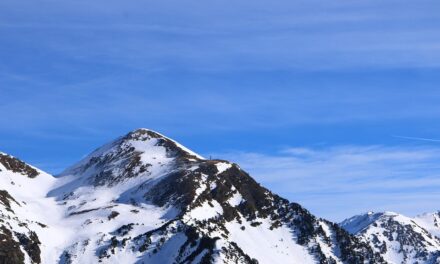
Afghanistan’s geography is dominated by dramatic mountain ranges that captivate visitors from all over the globe. The Hindu Kush, a fabled mountain range extending over 800 km, is the backbone of the country and represents an adventurer’s dream landscape.
1. Hindu Kush Mountains: The Crown Jewel of High-altitude Adventures
Stretching from central Afghanistan into northern Pakistan, the Hindu Kush mountains are a paradise for trekkers, climbers, and nature enthusiasts. Imagine standing at the base of awe-inspiring peaks covered in snow, with valleys blanketed in wildflowers during spring and mountain goats grazing against a picturesque skyline.
- Key highlights for adventurers:
- Noshaq Peak: At 7,492 metres, Noshaq reigns as Afghanistan’s highest mountain and a prize for seasoned mountaineers.
- Kuchi Nomads: Encounter semi-nomadic tribes herding livestock in the mountains, preserving a way of life that has lasted centuries.
- Panoramic Treks: Popular trails include the routes around Bamiyan Valley, which combine nature and history.
2. The Wakhan Corridor: A Remote Slice of Heaven
Tucked far in the northeastern corner of Afghanistan, the Wakhan Corridor offers unspoiled wilderness beyond your wildest imagination. This narrow tract of land, which shares borders with Pakistan, China, and Tajikistan, is one of the least explored yet profoundly rewarding regions for trekking and cultural immersion.
- Why you should visit Wakhan:
- Stunning landscapes: Snowcapped mountains surround high-altitude plateaus and deep valleys.
- Rich Biodiversity: Spot rare wildlife like Marco Polo sheep, snow leopards, and soaring Himalayan vultures.
- Ancient Footsteps: Explore prehistoric petroglyphs carved into rocks and relics from ancient Silk Road travellers.
3. Treks That Feed the Soul
Popular treks also include longer journeys like the Band-e-Amir National Park hike—home to Afghanistan’s first national park, with its deep blue lakes fringed by ochre cliffs. Whether you’re an experienced trekker or a casual hiker, the mountains of Afghanistan rejuvenate both body and spirit while leaving you in awe of their natural grandeur.
Timeless Afghan Cities: Living History Through Ancient Civilisations
While Afghanistan’s natural beauty alone could justify its place on any traveller’s list, the country’s cities tell stories of dynasties, global trade, and architectural splendour.
1. Kabul: The Gateway to Afghanistan
Kabul, the bustling capital of Afghanistan, is steeped in a history that dates back over 3,000 years. Once part of the ancient Silk Road trade route, this vibrant city offers a complex, layered experience for travellers.
- Must-visit sites in Kabul:
- Babur Gardens: These beautiful, UNESCO-recognized gardens built by the founder of the Mughal Empire offer sweeping views of Kabul.
- National Museum of Afghanistan: Home to countless treasures from Afghanistan’s long history, including artefacts from the Greco-Bactrian kingdoms.
- Charming Bazaars: Wander through bustling markets like the famous Chicken Street for intricate handmade carpets, jewellery, and antiques.
2. Bamiyan: A Testament to Afghanistan’s Buddhist Heritage
Perhaps the most iconic symbol of Afghanistan’s rich cultural history, Bamiyan was once a hub of Buddhist civilisation. Here, colossal Buddha statues carved into cliff-sides stood for over 1,500 years before their tragic destruction.
- What to explore in Bamiyan:
- Buddha Niches and Ruins: The empty alcoves inspire awe even today. Additionally, the surrounding caves contain stunning murals and relics.
- Shahr-e Gholghola (City of Screams): This ancient fortress offers dramatic views and insights into Bamiyan’s historic conflicts.
- Band-e-Amir National Park: Just a short drive from Bamiyan, discover serene turquoise lakes encircled by rugged cliffs.
3. Herat: The City of Poetry and Culture
A gem from the Timurid era, Herat is an architectural wonder that once dazzled travellers along the Silk Road. Situated in western Afghanistan, this historic city brims with awe-inspiring mosques, citadels, and bustling bazaars.
- Top landmarks in Herat:
- Herat Citadel: With origins tracing back to Alexander the Great, this citadel paints a vivid picture of Afghanistan’s past.
- Great Mosque of Herat (Friday Mosque): Famed for its blue-tiled splendour, this architectural marvel is one of the most captivating Islamic structures in the region.
Afghan Heritage: A Unique Blend of Cultures
Afghanistan’s cultural richness stems from its position as a historical crossroads of empires, peoples, and faiths. The legacy of Zoroastrian, Buddhist, Islamic, and Persian influences creates a kaleidoscope of traditions that continue to thrive today.
1. Traditional Music and Poetry
Afghan music and poetry resonate with heartfelt emotions. The rubab, a lute-like instrument, is emblematic of the nation’s musical identity. Meanwhile, poetry is a deeply revered art form, with Rumi, one of the world’s most celebrated poets, being of Afghan descent.
2. Culinary Heritage: A Feast for the Senses
No trip to Afghanistan would be complete without indulging in its exquisite cuisine. Try Kabuli Pulao (a fragrant rice dish with raisins, carrots, and lamb), mantu (steamed dumplings), and fresh naan bread from local bakeries. Pair your meals with green tea served in traditional teahouses known as chai khanas.
3. Hospitality: A Cultural Cornerstone
Afghan hospitality is legendary. Visitors are treated with immense warmth and generosity, reflecting the principle of melmastia (unconditional hospitality). Be prepared to be welcomed with open arms, endless cups of tea, and genuine kindness.
Planning Your Trip to Afghanistan
As tourism in Afghanistan is gradually developing, careful planning is crucial. Work with reputable travel operators like Nihosi Travels & Tours for safe and expertly guided journeys into the heart of the country.
Travel Tips for First-Time Visitors:
- Timing matters: Visit in spring or autumn for the best weather.
- Respect local traditions: Dress modestly, and always seek permission before taking photos of locals.
- Pack wisely: Ensure you have durable footwear for mountain treks and weather-appropriate clothing for high-altitude regions.
Soft FAQs About Travelling in Afghanistan
1. Is Afghanistan safe for tourists?
Safety varies across regions. Partnering with experienced guides who understand local conditions ensures safer travel experiences.
2. What’s the best way to enter Afghanistan?
The most common entry point is through Hamid Karzai International Airport in Kabul.
Afghanistan’s majestic mountains, timeless cities, and rich heritage await rediscovery. With thorough preparation and an adventurous spirit, your journey will transform beyond mere tourism into a truly meaningful life experience.










Subscribe To Our Newsletter
Join our mailing list to receive the latest news and updates from our team.
You have Successfully Subscribed!