
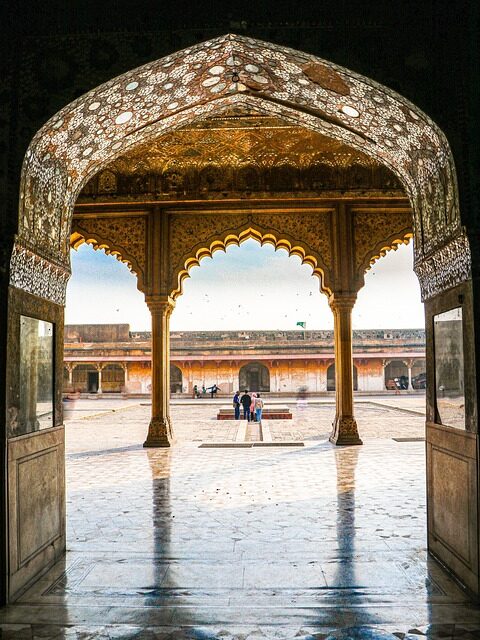
When it comes to breathtaking landscapes and awe-inspiring historical treasures, Pakistan stands as a shining jewel in South Asia. A country steeped in rich cultural heritage and brimming with fascinating stories of conquest, resilience, and civilisational glory, Pakistan is home to some of the most astonishing UNESCO World Heritage Sites. From the ancient ruins of lost civilisations to intricate Mughal architecture, the land offers travellers an unparalleled journey through timeless history.
If you’ve ever asked yourself, “What are the best travel destinations in Pakistan to explore its history?” or “Why are Pakistan’s UNESCO heritage sites worth visiting?”, you’ve come to the right place. In this comprehensive guide, we’ll take you on a detailed exploration of Pakistan’s most precious historic marvels. So, strap on your virtual travel gear and let’s uncover the wonders that await.
An Introduction to Pakistan’s UNESCO World Heritage Sites
Before diving into the specifics, let’s touch on an important question: What makes UNESCO World Heritage sites special? These sites are identified by the United Nations Educational, Scientific and Cultural Organization (UNESCO) as possessing unique cultural, historical, and natural significance. Pakistan, with its rich tapestry of history and geography, is proud to have 6 UNESCO World Heritage Sites, along with more than 26 tentative nominations awaiting approval.
These sites aren’t just stone relics of the past—they are living testaments to the ingenuity, creativity, and survival of humanity through the ages. Exploring them reveals not only the architectural mastery of ancient times but also the stories of the people who shaped Pakistan’s diverse history.
Curious? Let’s move on to the primary UNESCO sites you absolutely must visit in Pakistan.
1. Mohenjo-Daro: The Pride of the Indus Valley Civilization
Located in the Sindh province, Mohenjo-Daro—meaning “Mound of the Dead” in Sindhi—is one of the world’s oldest urban settlements. It dates back to 2500 BCE and was a central city of the Indus Valley Civilisation, contemporary with Mesopotamia and Ancient Egypt.
What Makes Mohenjo-Daro Special?
The site showcases remarkable urban planning, complete with grid patterns, advanced drainage systems, communal baths, and an organised layout—things astonishingly advanced for its time. Walking through the baked brick ruins, you’ll feel connected to people who lived almost 4,500 years ago.
Key Tips for Visitors:
- Best Time to Visit: Winter (November to February) when the weather is cool.
- Nearby Attractions: Larkana city and Amri hills.
- Insider Tip: Hire a local guide to unearth Mohenjo-Daro’s secrets—they can narrate details often missing from the signboards.
Planning your trip here feels like stepping into the cradle of civilisation!
2. Taxila: Centre of Gandhara Buddhism
Located near the bustling twin cities of Islamabad and Rawalpindi, Taxila is an archaeologist’s dream and an unmissable site for history buffs. A centre of Gandhara civilisation, this ancient city flourished between the 6th century BCE and the 5th century CE.
Key Highlights of Taxila
Taxila is famed for its stupas, monasteries, and artefacts, many of which are preserved in the Taxila Museum. It was once a hub of education and spirituality, drawing scholars and monks from as far as China and Greece. If you’ve ever wondered where Alexander the Great traced parts of his route, Taxila provides vital clues.
Don’t Miss:
- Dharmarajika Stupa: Dedicated by Emperor Ashoka, this is a cherished Buddhist site.
- Jaulian Monastic Complex: A fascinating insight into the life of ancient monks.
Travel Tips:
- Entry Fee: Around Rs. 500 for foreigners and Rs. 20 for locals.
- Photography Tip: Visit at sunset for golden-hued photos of the ruins.
3. Lahore Fort & Shalimar Gardens: Mughal Magnificence
Next on our list is Lahore, often referred to as the “Heart of Pakistan”. The historic Lahore Fort and Shalimar Gardens, a short distance apart, are masterpieces from the Mughal era.
The Lahore Fort: A Symbol of Resilience
With roots dating back to 1566 under Emperor Akbar, the fort showcases influences of Mughal, Sikh, and British architecture. Key attractions include the Sheesh Mahal (Palace of Mirrors), the Alamgiri Gate, and the Naulakha Pavilion.
Shalimar Gardens: A Persian Paradise
Built by Emperor Shah Jahan in 1641, these gardens represent Mughal landscaping at its best. Known for their serene pools, symmetrical designs, and cascading terraces, they’re a tranquil escape amidst Lahore’s chaos.
Must-Know Facts:
- Entry Fees: Separate tickets are needed for the fort and the gardens.
- Visitor Note: Fridays and weekends can get crowded.
4. Rohtas Fort: A Warrior’s Haven
Situated near Jhelum in Punjab, Rohtas Fort was built by Afghan king Sher Shah Suri to counter the Mughal Emperor Humayun. A UNESCO World Heritage Site, it is a massive fortress showcasing robust Pashtun military architecture.
Why Visit Rohtas Fort?
The sheer scale of the fort—the towering gates, intricate stonework, and defensive design—is bound to leave you impressed. From its Sohail Gate to its Haveli of Man Singh, the fort reveals a range of intriguing stories.
Pro-Tip for Travellers:
Hire a guide as the fort can take up to 3 hours to explore fully. Wear trekking shoes; the fort’s terrain involves uneven paths and staircases.
5. Makli Necropolis: A City of the Dead
Just an hour’s drive from Karachi lies Makli Necropolis, one of the largest burial grounds in the world. Dating back over 400 years, this UNESCO-listed site features unique tombs adorned with intricate calligraphy, tile work, and carvings.
Interesting Fact
Makli Necropolis is said to house over half a million graves, including those of kings, saints, and Sufi scholars.
6. Buddhist Ruins of Takht-i-Bahi
Northwest Pakistan is home to Takht-i-Bahi, an ancient Buddhist monastery perched on a hilltop in Mardan. The name translates to “Throne of the Water Spring”, derived from the many springs surrounding it.
Why It’s Worth Visiting
You’ll marvel at how well-preserved these ruins are, giving you a chance to immerse in the daily life of monks from ancient times.
Planning Your Journey with Nihosi Travels & Tours
Planning trips to these incredible sites might seem overwhelming, but Nihosi Travels & Tours simplifies everything. From arranging guided tours to offering customised itineraries, they’re a reliable travel partner to explore Pakistan like never before.
Why Choose Nihosi?
- Local Expertise: Tap into insights from locals who know the history better than anyone.
- Comfortable Packages: Affordable yet highly immersive travel plans.
Start your historic adventure today with Nihosi Travels!
Quick FAQs about Pakistan’s UNESCO World Heritage Sites
1. How many UNESCO World Heritage Sites does Pakistan have?
Pakistan currently has 6 sites, with 26 awaiting nomination.
2. Which is the oldest UNESCO Site in Pakistan?
Mohenjo-Daro, dating back to 2500 BCE, is not only the oldest site but also one of the oldest urban settlements in the world.
3. When is the best time to visit these sites?
Winter (November to February) is ideal, as the weather is mild and pleasant.
With a kaleidoscope of historic marvels waiting to be discovered, Pakistan is truly a haven for heritage enthusiasts. Whether you’re an archaeology buff or simply a curious traveller, the rich history encapsulated in these UNESCO World Heritage Sites will transport you back in time.
So, are you ready to pack your bags and embark on an unforgettable journey? See you in Pakistan!












Subscribe To Our Newsletter
Join our mailing list to receive the latest news and updates from our team.
You have Successfully Subscribed!