
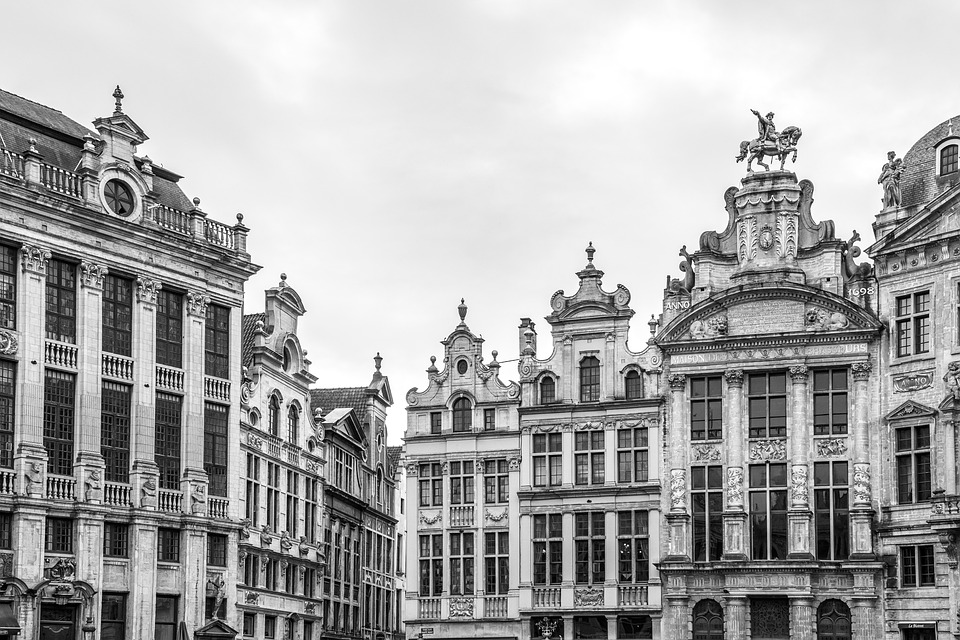
Belgium, a small yet captivating country in the heart of Europe, offers a remarkable gateway into a bygone era. From awe-inspiring medieval castles that whisper tales of battles and banquets to quaint cobbled streets lined with charming cafés and boutiques, Belgium is a treasure trove of history waiting to be explored.
If you’re a lover of history, architecture, or picturesque landscapes, Belgium’s medieval heritage provides a perfect backdrop to transport you to another time. Let’s take a journey through the most enchanting experiences, showcasing why Belgium deserves a spot on every traveller’s bucket list.
Belgium’s Historical Legacy: The Accumulation of Ages
Stepping into Belgium is like flipping through the pages of a richly illustrated storybook. The country’s medieval period spans approximately from the 9th to the 15th century—a time when it flourished as a core region in Europe for innovation, artistry, and trade. Evidence of its historical prominence can be found in its meticulously preserved towns, gilded guild halls, atmospheric alleys, and, of course, the towering castles sprinkled across the countryside.
But how do we begin peeling back the layers of this fascinating country? Let’s start where it all began: the castles.
A Quest Into Belgium’s Majestic Medieval Castles
Visiting Belgium’s castles is like exploring architectural relics of romance, intrigue, and mystery. Each stone tells a story of knights, noble families, and centuries-old rivalries.
1. Gravensteen (The Castle of the Counts) – Ghent’s Crown Jewel
One of the most iconic structures in Belgium, Gravensteen, is the quintessential medieval fortress. Nestled in the heart of Ghent, it was constructed in the 12th century and served as a symbol of wealth and power for the Counts of Flanders. The castle, complete with imposing towers and a dramatic moat, feels like stepping directly onto a medieval stage.
Explore its:
- Torture Museum: It provides an eerie glimpse into medieval judicial practices.
- Panoramic Rooftop: The views of Ghent’s skyline from the top are worth the climb.
2. Château de Bouillon – A Medieval Marvel in the Ardennes
As you venture southeast into the lush region of the Ardennes, you’ll stumble upon Château de Bouillon, one of Belgium’s oldest castles. Built atop a rocky hill overlooking the Semois River, this fortress is famous for its connection to Godfrey of Bouillon, a prominent Crusader leader during the First Crusade.
Why Visit?
- Watch dramatic falconry demonstrations.
- Wander its labyrinthine tunnels and underground chambers.
- Imagine the lives of medieval knights as they defended vital keypoints.
3. Alden Biesen Castle – Limburg’s Renaissance-Style Gem
Though originally a medieval fortress, Alden Biesen evolved into a stunning Renaissance castle in the 16th century. Surrounded by sprawling gardens, this gorgeous site hosts cultural events, exhibitions, and concerts all year round.
Insider Tip: Visit during spring to witness the castle’s gardens in full bloom or attend the annual storytelling festival hosted in its grounds.
Meandering Through Belgium’s Quaint Cobbled Streets
While the castles steal the spotlight, Belgium’s towns and villages are just as captivating. Their cobbled streets feel like time machines, inviting travellers to immerse themselves in the charm of yesteryear.
Bruges: The Venice of the North
If there’s one place that captures the romanticism of medieval Belgium, it’s Bruges. This fairytale-like city is known for its pristine canals, pastel-hued buildings, and historic squares.
Must-Do Activities in Bruges:
- Stroll Through the Markt Square: The square’s colourful Gothic structures, especially the Belfry, create a picture-perfect scene.
- Visit the Basilica of the Holy Blood: A jewel of Romanesque and Gothic architecture, it houses a relic said to contain Christ’s blood.
- Enjoy Local Delicacies: Savour Bruges’ famous Belgian chocolates or try traditional Flemish beef stew in a quiet, canal-side eatery.
Antwerp: Where Medieval Meets Modern
Belgium’s second-largest city, Antwerp, seamlessly blends history with modern urban vibrancy. Known as Europe’s diamond capital, it’s also dotted with medieval architecture that feels straight out of a period drama.
Key Attractions in Antwerp:
- The Antwerp Cathedral (Cathedral of Our Lady): A masterpiece of Gothic architecture adorned with paintings by Peter Paul Rubens.
- Grote Markt: The old town square, a lively hub surrounded by intricate guild houses.
- Het Steen Castle: Once a medieval prison, this sturdy fortress now hosts a fun visitor centre.
Leuven: Belgium’s Academic Powerhouse
Home to one of Europe’s oldest universities, Leuven boasts a historic vibe with a youthful energy. Its cobbled streets invite you to wander past majestic cathedral spires, lively beer halls, and quaint alleys teeming with character.
Highlights:
- Town Hall: Impossible to miss, this Gothic marvel is intricately detailed with filigree-like artwork.
- The Old Market (Oude Markt): Dubbed the “Longest Bar in the World,” this square-long collection of bars and cafés is a joy for beer lovers.
Belgium’s Culinary Connection to Its Past
No visit to Belgium is complete without indulging in its culinary heritage—a delicious extension of its historic identity.
Medieval Dishes to Savour:
- Waterzooi: A creamy stew of chicken or fish, inspired by native Flemish recipes.
- Mead: A medieval drink made from fermented honey, often served at cultural festivals.
- Speculoos Biscuits: These spiced, crunchy cookies have origins in historic Flemish markets.
To elevate your experience, pair these dishes with Belgium’s world-renowned beers—a tradition dating back to monastic brewing practices in the Middle Ages.
Tips for Exploring Belgium Like a Local Historian
- Travel By Train: Belgium’s railway system is one of Europe’s most efficient. It’s perfect for hopping between medieval towns like Bruges, Ghent, and Leuven.
- Download a History App: Apps like izi.TRAVEL can guide you through detailed historical tours as you explore cobbled streets and walled cityscapes.
- Visit in Autumn: The slightly cool weather paired with golden-hued trees makes autumn the perfect season for castle hopping and strolling atmospheric lanes.
FAQ: Exploring Belgium’s Medieval Legacy
1. What are the must-visit castles in Belgium?
The Castle of the Counts (Gravensteen), Château de Bouillon, and Alden Biesen Castle are iconic. Each offers unique insights into Belgium’s medieval tapestry.
2. Are cobbled streets in Belgium accessible to those with mobility challenges?
While cobbled streets can be uneven in places, many cities like Bruges have ramps and accessible pathways.
3. When is the best time to visit Belgium’s medieval sites?
Spring and autumn are ideal due to pleasant weather and fewer crowds.
4. Can I explore Belgium by bike?
Yes! Belgium is bike-friendly, and many medieval towns have bike rental services.
5. Are guided tours available in English?
Yes, most castles and historic towns offer guided English tours.
By diving into Belgium’s medieval offerings, you’ll uncover not just its history, but a deeper connection to Europe’s storied past. So pack your curiosity, your walking shoes, and your sense of adventure, and prepare to write your own chapter of discovery on Belgium’s cobbled streets and castle grounds.
If you’re ready to embark on this medieval journey, visit Nihosi Travels & Tours for expertly curated trips that bring Belgium’s history to life.
Meta Description: Explore Belgium like never before! Discover medieval castles, romantic cobbled streets, and rich historical landmarks with our ultimate guide to Belgium’s medieval past.












Subscribe To Our Newsletter
Join our mailing list to receive the latest news and updates from our team.
You have Successfully Subscribed!