
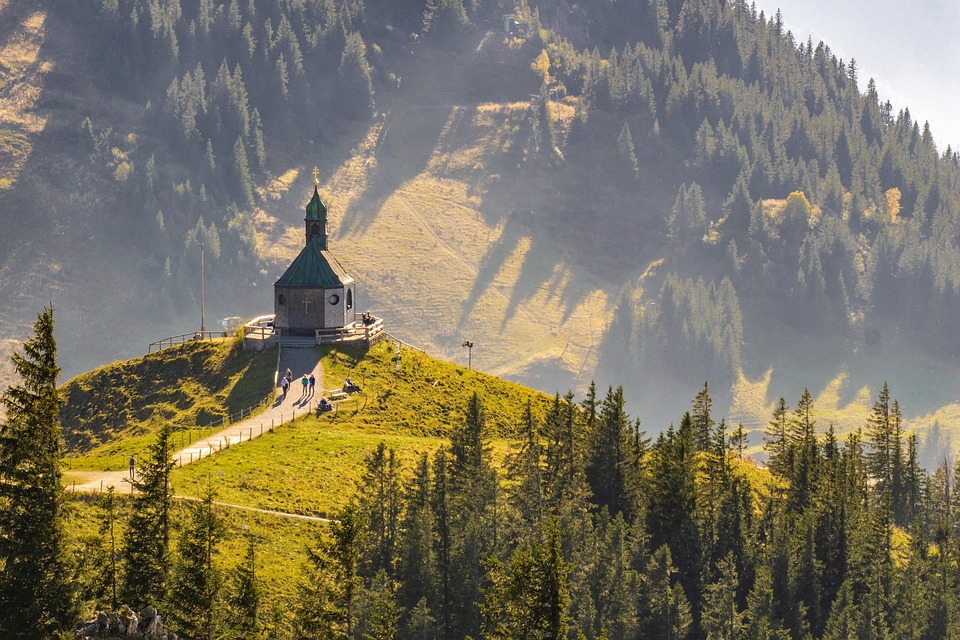
Glistening atop hillsides, perched beside rivers, and nestled deep within forests, German castles are an unparalleled blend of history, magic, and architectural splendour. Whether you’re a history enthusiast, a romantic dreamer, or an adventurer on the hunt for breathtaking sights, Germany’s castles promise to transport you to another era. With their fairytale-like structures, intriguing stories, and awe-inspiring locations, they’ve mesmerised travellers for centuries. Let’s explore the must-visit German castles that will make your trip unforgettable—think enchanted towers, medieval fortresses, and genuinely magical vibes.
The Enchanting World of Castles in Germany
Germany is home to over 25,000 castles, each a masterpiece of history and architecture. Styles range from medieval fortresses and gothic strongholds to jaw-dropping baroque palaces. Exploring these castles is like travelling back in time to the days of knights, ambitious kings, and complex political intrigues.
What makes German castles truly unique is their ability to cater to every kind of traveller. Some serve as history museums; others are home to luxury hotels, while a few remain private residences. Regardless, visiting these castles guarantees not only a deep dive into the country’s storied past but also Instagram-worthy views you won’t get anywhere else.
1. Neuschwanstein Castle: The Fairytale Dream
Location: Bavaria
Best Time to Visit: Summer (May–September)
Perhaps Germany’s most iconic and photographed castle, Neuschwanstein Castle is a dream plucked straight out of a storybook. Resting on a rugged hill with the Bavarian Alps as its backdrop, it served as the inspiration for Disney’s Sleeping Beauty castle. Designed by eccentric King Ludwig II in the 19th century, Neuschwanstein was intended as a private retreat but has since become a symbol of fantasy and romance.
Why You Should Visit:
- Marvel at its striking Romanesque Revival architecture.
- Learn about Ludwig II, lovingly referred to as the “Fairytale King.”
- Capture panoramic views of the Alps and the shimmering lakes below.
Pro Tip: To make the most of your visit, purchase tickets online in advance to avoid long queues, especially during peak seasons.
2. Burg Eltz: Hidden in a Fairytale Forest
Location: Rhineland-Palatinate
Best Time to Visit: Autumn (September–November)
Tucked away in the enchanting Moselle River Valley, Burg Eltz feels like it belongs in the pages of a magical storybook. With its intricate timbered towers and lush green surroundings, this 12th-century castle has been lovingly preserved by the Eltz family for over 850 years.
Highlights:
- Explore the castle’s medieval armoury and treasury filled with rare artefacts.
- Hike through the surrounding woods for sweeping views of the structure.
- Immerse yourself in the fascinating stories of family feuds and triumphs.
Did You Know? Burg Eltz is one of the few castles in Europe that has never been destroyed or significantly damaged throughout its history!
3. Heidelberg Castle: Ruins with a View
Location: Baden-Württemberg
Best Time to Visit: Spring (April–June)
Perched dramatically above the romantic town of Heidelberg, this semi-ruined castle whispers tales of love and war. Built between the 13th and 17th centuries, it’s an incredible fusion of Renaissance and Gothic architecture. The Heidelberg Castle is famous not only for its beauty but also for housing the world’s largest wine barrel, the Großes Fass, which could hold a staggering 220,000 litres of wine!
What to Do Here:
- Take a guided tour to uncover the mystery of its partially destroyed walls.
- Stroll through the serene Heidelberg Castle Gardens.
- Enjoy a glass of local wine with views overlooking the Neckar River.
4. Hohenzollern Castle: A Gothic Masterpiece
Location: Baden-Württemberg
Best Time to Visit: Winter (November–February) for its enchanting Christmas market.
A striking silhouette on the edge of the Swabian Alps, Hohenzollern Castle channels gothic grandeur. The ancestral seat of the Hohenzollern family—one of Germany’s most influential dynasties—it has been rebuilt and redesigned multiple times since the 11th century.
Why It’s Unmissable:
- Admire its striking turrets and detailed interiors.
- Marvel at the sweeping views of the countryside from its high vantage point.
- Visit during Christmas to experience its magical festive market atmosphere.
Pro Tip: The castle is best reached by car as public transport options to this remote beauty are limited.
5. Schwerin Castle: The Versailles of the North
Location: Mecklenburg-Vorpommern
Best Time to Visit: Summer (July–September) when the gardens are in full bloom.
Nestled on an island in Lake Schwerin, this 19th-century palace is often referred to as Germany’s answer to the Palace of Versailles. Known for its opulent interiors, intricate facades, and sprawling gardens, Schwerin Castle served as a ducal residence for centuries. Today, it houses the state parliament of Mecklenburg-Vorpommern.
What to Explore:
- Wander through the dreamy English gardens surrounding the castle.
- Discover the legend of the castle ghost, Petermännchen.
- Admire the luxurious gold-filled interiors and high ceilings.
6. Lichtenstein Castle: A Romantic Hidden Gem
Location: Baden-Württemberg
Best Time to Visit: Spring (March–May)
Often overshadowed by its more famous counterparts, Lichtenstein Castle is a true hidden gem. Perched precariously on a cliff overlooking the Echaz Valley, this neo-Gothic castle embodies romance and drama. Its location makes it a dream destination for photographers and hikers alike.
Fun Fact:
Nicknamed the “Castle of the Teckleburg Raptors,” Lichtenstein Castle was heavily influenced by Wilhelm Hauff’s 1826 novel, “Lichtenstein.”
7. Würzburg Residence: A UNESCO World Heritage Site
Location: Bavaria
Best Time to Visit: All year round, though spring brings added beauty with flowers blooming in the court gardens.
While not a traditional “castle,” the Würzburg Residence is a baroque masterpiece and a UNESCO World Heritage Site deserving of a spot on this list. Boasting stunning frescoes by Giovanni Battista Tiepolo, grand halls, and opulent furnishings, it’s a celebration of elegance.
Practical Tips for Exploring German Castles
Visiting castles can be overwhelming without proper planning. Here are some tips to make the most of your trip:
- Book Early: Popular castles like Neuschwanstein require online reservations. Ensure you secure your slot well ahead of time.
- Wear Comfortable Shoes: Some castles require uphill walks, so supportive footwear is key.
- Photography: Many castles allow photography outdoors but restrict it indoors—check the rules to avoid disappointment.
- Timing: Arrive early to beat the crowds, especially during weekends and school holidays.
- Read About Their History: Familiarising yourself with the background stories enhances the magic of the experience.
FAQ Section
1. What is the best time of year to visit German castles?
The best time depends on the castle. Spring and summer offer vibrant landscapes, while winter provides a magical snow-dusted charm.
2. Are German castles family-friendly?
Absolutely! Many castles have guided family tours and interactive exhibits.
3. Can you stay overnight in a castle?
Yes! Some castles, such as Schlosshotel Kronberg, offer luxury accommodations.
4. Are German castles accessible by public transport?
Many are easily accessible, but remote castles like Burg Eltz might require hiking or car travel.
For those looking to experience the romance, history, and sheer grandeur of Germany, visiting its castles is an absolute must. Whether you’re uncovering centuries-old secrets at Burg Eltz or marvelling at Neuschwanstein’s breathtaking aesthetic, German castles deliver unrivalled memories. Start planning your visit now and let Nihosi Travels & Tours help you create an unforgettable journey into Germany’s past!












Subscribe To Our Newsletter
Join our mailing list to receive the latest news and updates from our team.
You have Successfully Subscribed!