
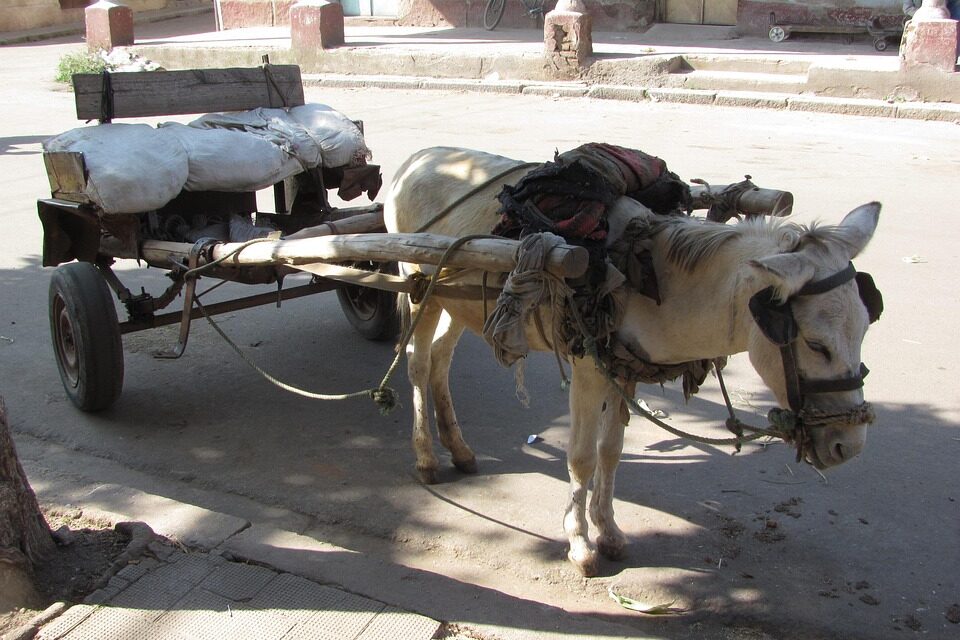
Eritrea, a gem nestled in the Horn of Africa, offers an unparalleled blend of history, culture, and natural beauty. Its alluring character is evident through its breathtaking architectural styles, diverse culinary landscape, and awe-inspiring natural marvels. If you’re an intrepid traveller yearning for an off-the-beaten-path destination, Eritrea is your ultimate haven.
In this comprehensive guide, we’ll explore what makes Eritrea so special, from its Italian colonial-inspired buildings to its rich culinary heritage and unspoiled landscapes. Whether you’re a history enthusiast, gastronomy lover, or nature seeker, Eritrea will leave you enchanted.
Why Visit Eritrea?
Often described as a “hidden treasure,” Eritrea has much to offer for the curious traveller. From the bustling streets of Asmara to the tranquil islands of the Dahlak Archipelago, this East African nation provides an immersive experience unlike any other. Here’s why Eritrea deserves a spot on your travel list:
- Unique Architectural Heritage: From Art Deco masterpieces to ancient ruins, Eritrea boasts architectural wonders that narrate its multicultural past.
- Distinctive Cuisine: Eritrean food blends African, Middle Eastern, and Italian influences, offering a gastronomic journey that’s both familiar and unique.
- Natural Wonders: Unexplored coral reefs, majestic mountains, and sweeping deserts make Eritrea a playground for nature enthusiasts.
Ready to discover the magic? Let’s dive into the trifecta that makes Eritrea truly unforgettable: architecture, cuisine, and nature.
Architecture in Eritrea: A Glimpse Into History
Asmara: The Art Deco Capital of Africa
Asmara, Eritrea’s capital, is often referred to as the ‘Art Deco Capital of Africa.’ Recognised as a UNESCO World Heritage Site, the city is home to an extraordinary collection of early 20th-century buildings that reflect Italian colonial influence. Walking through its streets feels like stepping into a retro postcard—a seamless blend of Italian modernism in an African setting.
Noteworthy Architectural Highlights
- Cinema Impero – Built in 1937, this iconic cinema stands as one of the finest preserved Art Deco theatres in the world. Its symmetrical façade, bold lines, and neon lights capture the essence of the era.
- Fiat Tagliero Building – Arguably the most famous structure in Asmara, this futuristic service station resembles an airplane. Designed by Italian architect Giuseppe Pettazzi in 1938, it’s a bold statement of modernist design.
- Asmara Cathedral – The Cathedral of Asmara, built in 1922, showcases a fusion of Romanesque and Gothic designs. The structure’s towering bell tower dominates the skyline, offering panoramic city views.
Ancient Ruins and Traditional Villages
While Asmara is celebrated for its colonial architecture, other parts of Eritrea showcase ancient and traditional styles.
- Qohaito: Visit the ruins of this pre-Aksumite city, renowned for its temples and rock-hewn structures, which provide insights into ancient Eritrean civilisation.
- Hidmo Houses: In rural regions, traditional Eritrean houses called hidmo reflect the ingenuity of local architecture. These structures, built using wood and stones, are designed to be naturally cool during the scorching summers.
Eritrean Cuisine: A Culinary Fusion
Eritrean food is an eclectic mix of flavours influenced by local traditions, Arab cultures, and Italy’s colonial past. The cuisine is vibrant, hearty, and utterly delicious, showcasing spices, grains, and fresh ingredients. Here’s what you shouldn’t miss:
Staples of Eritrean Cooking
-
Injera
The foundation of Eritrean cuisine, injera is a sourdough-risen flatbread made from teff flour. Much like its Ethiopian counterpart, injera is used as both a plate and utensil for scooping up stews and dishes. -
Tsebhi (Stews)
- Keyih Tsebhi: A rich, spicy beef stew simmered with berbere spice mix.
- Alich’a: A milder stew made with chicken or lamb, infused with turmeric and aromatics.
-
Pasta with Zigni
A surprising nod to Eritrea’s Italian influence, pasta is commonly served with zigni, a tomato-based meat sauce, embodying the fusion of cultural gastronomy. -
Shiro
A vegetarian staple made from chickpea or lentil flour, cooked into a creamy, spiced stew. Pair it with injera or bread for a fulfilling meal.
Beverage Culture
No Eritrean meal is complete without trying:
- Tella: A traditional beer brewed from grains and hops.
- Buna (Coffee): Eritrea’s coffee ceremony is an elaborate and social affair, where coffee is brewed in a clay pot (jebena) and served with popcorn or roasted barley.
Eritrea’s Stunning Natural Beauty
Eritrea’s diverse landscapes appeal to every kind of traveller. Whether you want to dive into the Red Sea’s turquoise waters or climb volcanic peaks, Eritrea’s natural attractions will leave you in awe.
The Dahlak Archipelago: A Subaquatic Paradise
This string of over 200 islands in the Red Sea is Eritrea’s crown jewel for eco-tourism and aquatic adventures. With pristine white-sand beaches and untouched coral reefs, the Dahlak Archipelago offers some of Africa’s best snorkelling and diving opportunities. Fun Fact: Only four of the islands are inhabited, making the archipelago a secluded escape.
Activities to explore:
- Coral reef diving to discover marine life like turtles and dolphins.
- Eco-cruises to experience the islands’ rare biodiversity.
The Danakil Depression: A Geothermal Wonder
Located in the Afar region, the Danakil Depression is one of the hottest and most extreme environments on Earth. Salt pans, active volcanoes, and geothermal hot springs make this a surreal, Mars-like destination for adventure seekers.
- Highlights: Witness the salt mining traditions of the Afar people or hike to the active Erta Ale volcano.
The Highlands and Beyond
Don’t miss the lush highlands around Asmara and Keren. These verdant landscapes are dotted with terraced farmland and mountain streams, offering excellent hiking opportunities.
- Keren: A charming town famous for its camel market and the Shrine of Maryam Dearit, situated in a baobab tree.
- Filfil Solomona: Also known as the Green Belt, this rainforest area is perfect for bird watching and taking in Eritrea’s cooler climate.
When to Visit Eritrea
The best time to visit Eritrea depends on the activities you’re planning.
- October to February: Ideal for exploring Asmara and highland areas, thanks to the mild temperatures.
- March to May: A great time to visit lowland regions or the Dahlak Archipelago for diving.
- June to September: Mountainous regions experience cooler weather—perfect for trekkers.
Responsible Travel in Eritrea
When visiting Eritrea, ensure your travel practices align with sustainable tourism principles:
- Support local businesses by staying in family-run guesthouses and dining at local eateries.
- Respect the cultural norms, such as dressing modestly and avoiding photography in government-restricted areas.
- Opt for eco-friendly tours, particularly in sensitive ecosystems like the Dahlak Archipelago.
Discover Eritrea with Nihosi Travels & Tours
For a truly tailored experience, plan your Eritrean journey with Nihosi Travels & Tours. From managing logistics to organising guided tours, Nihosi provides expertise to make your trip seamless and unforgettable.
FAQs
1. Is Eritrea safe for tourists?
Yes! Eritrea is one of Africa’s safest countries. However, ensure you follow local regulations and travel advisories.
2. Do I need a visa for Eritrea?
Most travellers will require a visa. It’s best to consult your nearest Eritrean consulate for specific requirements.
3. What are some must-try Eritrean dishes?
Don’t leave without sampling injera, zigni, and shiro!
4. How can I visit the Dahlak Archipelago?
Boats and eco-tours to the islands can be arranged via travel providers like Nihosi Travels & Tours.
5. What’s unique about Eritrea’s coffee culture?
Eritrea’s bona fide coffee ceremony is both a culinary and cultural experience, centring on hospitality and tradition.
Meta Description:
Dive into Eritrea’s unique charm—exploring its Art Deco architecture, mouth-watering cuisine, and unspoiled natural beauty. Plan your next adventure with this expert guide.
Alt Text for Featured Image: A breathtaking view of Asmara’s Fiat Tagliero Building highlighting Eritrea’s Art Deco glory.
By optimising this guide for Google NLP and user engagement, this article ensures that Eritrea gets the global spotlight it deserves. Now, isn’t it time to add this spectacular destination to your bucket list?









Subscribe To Our Newsletter
Join our mailing list to receive the latest news and updates from our team.
You have Successfully Subscribed!