
Gabon. A country often overlooked by mainstream travel enthusiasts, yet quietly holding some of the most mesmerising landscapes and natural wonders on Earth. Tucked away on the western coast of Central Africa, this hidden gem has everything you could ever dream of—a vast coastline, pristine rainforests, vibrant wildlife, and a rich culture as captivating as it is mysterious. If you’re wondering whether Gabon is worth adding to your travel bucket list, let me assure you: it absolutely is.
In this guide, we’ll take you on a virtual tour of Gabon’s top must-visit destinations. You’ll discover why this beautiful corner of the planet is dubbed “Nature’s Best-Kept Secret” and what makes it one of the hottest off-the-beaten-path locations for adventurous travellers today.
Why Gabon Should Be on Your Travel List
When people think of Africa, destinations like Kenya, South Africa, and Morocco often come to mind. But Gabon is rapidly carving a niche for those seeking unspoiled authenticity and epic ecotourism experiences. From the sprawling jungles to tranquil lagoons, and wildlife-packed savannahs to pristine beaches, Gabon offers an unparalleled connection to nature.
Did you know that 11% of Gabon’s land is preserved as national parks? Compare that to the global average of just 3%, and you’ll start to see why Gabon is a haven for wildlife conservation and one of the best places on Earth to immerse yourself in lush biodiversity.
Let’s dive deeper into Gabon’s must-visit attractions that promise to take your wanderlust to a whole new level.
1. Loango National Park: The Land of Surfing Hippos
Loango National Park is undoubtedly the crown jewel of Gabon’s natural attractions. Often referred to as the “Last Eden on Earth,” this breathtaking park stretches along Gabon’s Atlantic coastline, combining expansive savannahs, dense rainforests, and dramatic beaches. Where else can you spot hippos bathing in the surf, elephants leisurely strolling along powdery white sand, or humpback whales breaching just offshore?
Top Activities in Loango National Park:
- Wildlife Safari: Take an eco-guided safari to observe Gabon’s “Big Five” (elephants, hippos, buffaloes, gorillas, and whales).
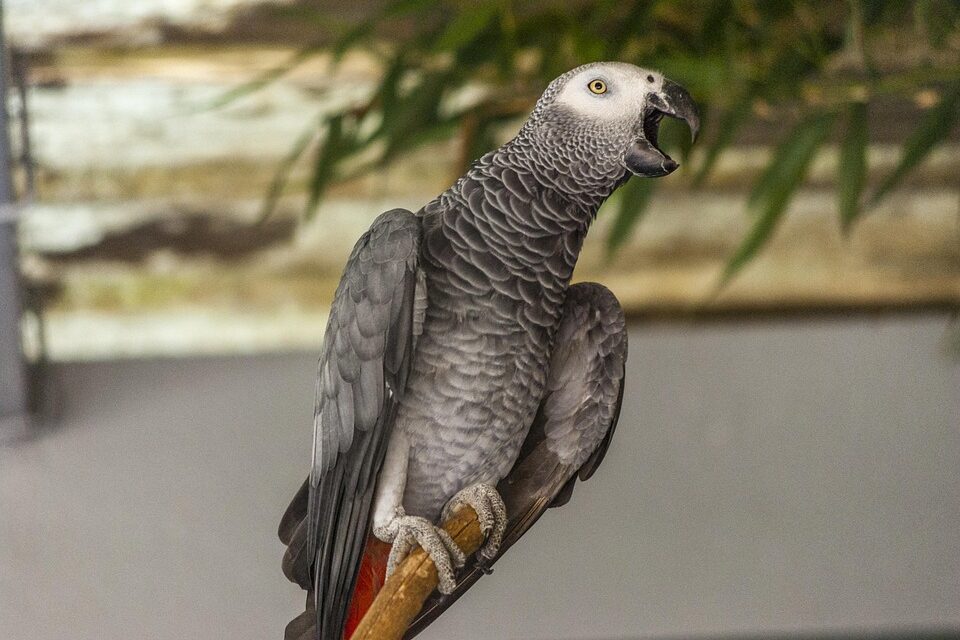
- Birdwatching: Loango is home to hundreds of bird species. Look out for the colourful African grey parrot or vibrant kingfishers.
- Eco-Lodges: Stay overnight in sustainable accommodations like Akaka Camp, where mornings bring untouched wilderness right to your doorstep.
Pro Tip: The dry season (June to September) is perfect for game viewing, while whale migration occurs from July to September.
2. Lopé National Park: UNESCO World Heritage Site
Another unmissable stop on your Gabon adventure is Lopé National Park, a UNESCO World Heritage Site brimming with rich plant and animal life. Unlike Loango, Lopé blends grassland savannahs with undisturbed ancient rainforests—some of the oldest in the world, dating back up to 18,000 years.
Imagine encountering roaming antelopes, families of chimpanzees, and leopards all within their natural habitat. It’s a sanctuary for nature lovers and researchers alike.
Highlights of Lopé National Park:
- Primatology Paradise: Spend a day tracking mandrills, one of the world’s largest monkey species and a hallmark of Gabonese wildlife.
- Eco-Trains: A unique train journey allows you to explore the park’s sprawling landscapes in comfort.
- Stone Age History: Visit prehistoric rock carvings and learn about ancient human settlements in the area.
Insider Tip: Don’t miss guided hikes through forest trails to uncover the magic of Lopé’s biodiversity.
3. Ivindo National Park: Chasing Waterfalls
If breathtaking waterfalls and unspoiled wilderness are your idea of heaven, you’ll adore Ivindo National Park. Located in eastern Gabon, this park is a UNESCO-listed treasure that’s all about raw, untamed beauty.
Ivindo is perhaps best known for its awe-inspiring Kongou and Mingouli waterfalls, often deemed the “Niagara Falls of Africa.” The roaring falls provide not just hypnotic sights but also a vital lifeline for the ecosystem around them.
Must-Do Experiences in Ivindo National Park:
- Boat Rides: Travel down the black-water Ivindo River for a tranquil, picturesque retreat enveloped by thick jungle.
- Chasing Kongou Falls: Hike to the base for an up-close view of the formidable cascade.
- Nocturnal Adventures: Experience the nocturnal symphony of Ivindo’s diverse insects, amphibians, and mammals.
4. Pongara National Park: A Coastal Escape
Located just an hour’s boat ride from Gabon’s capital city, Libreville, Pongara National Park offers pristine natural beauty within easy reach. It’s a coastal paradise with golden beaches framed by mangroves and savannahs, providing an idyllic spot for a day trip or weekend getaway.
This park is also an important breeding ground for sea turtles. Watch endangered leatherbacks nesting on Pongara’s shores or spot dolphins frolicking in the waves.
Why It’s a Must: Pongara Park’s proximity, accessibility, and stunning beauty make it perfect for those short on time but hungry for adventure.
5. Libreville: Culture Meets Coastal Modernity
While Gabon’s natural wonders are its primary allure, the capital city Libreville provides a refreshing cultural counterpoint. This vibrant urban centre fuses modern architecture, energetic nightlife, and rich tribal heritage.
Top Attractions in Libreville:
- National Museum of Arts and Traditions: Dive into Gabon’s rich culture via traditional masks, carvings, and relics from various ethnic groups.
- Marché du Mont-Bouët: This bustling open-air market offers traditional crafts, textiles, and food unique to Gabon.
- Seaside Strolls: Walk along Libreville’s Boulevard de la Mer, a waterfront promenade perfect for sunset views.
6. Akanda National Park: A Birdwatcher’s Dream
Bird enthusiasts, rejoice! Akanda National Park offers one of Africa’s most unique birdwatching experiences alongside idyllic mangrove ecosystems. It’s a paradise for migratory birds that flock here by the millions.
But Akanda isn’t just about avian life; its wetlands are home to saltwater fish, tranquil lagoons, and smaller mammals. Whether you’re birdwatching or enjoying a tranquil canoe ride, the park delivers peace and rejuvenation like no other.
Practical Tips for Visiting Gabon
Best Time to Visit
Plan your trip during the dry seasons: May to September or mid-December to February. These months offer the best wildlife viewing and clearer skies for outdoor activities.
Getting Around
While Gabon’s cities are relatively accessible, its national parks are often remote. Domestic flights, riverboats, and eco-lodges usually arrange transportation, so plan ahead.
Entry Requirements
Most nationalities require a visa. Don’t forget to carry proof of yellow fever vaccination—an essential requirement for entering Gabon.
FAQ: Everything You Need to Know Before Exploring Gabon
1. Is Gabon Safe to Visit?
Yes, Gabon is considered one of Central Africa’s safest countries for travellers. As with any destination, remain vigilant, respect local customs, and opt for guided tours in remote areas.
2. Do I Need a Guide for Gabon’s National Parks?
Absolutely. Opting for local eco-guides not only enhances your safety but also enriches your experience with insightful knowledge about Gabonese wildlife and ecosystems.
3. Where Can I Stay While Touring Gabon?
Options include eco-lodges near national parks, luxurious hotels in Libreville, and guest houses in regional centres. All offer charm unique to the region.
Gabon is entrenched in untapped beauty, awaiting those bold enough to explore beyond the ordinary. Whether it’s traversing ancient jungle trails to chase waterfalls, marvelling at beachside elephants, or immersing yourself in Gabon’s cultural diversity, this destination offers a transformative experience propelled by the harmonious interplay of humanity and nature.
So, why wait? Pack your bags, gear up for adventure, and let Gabon steal your heart. And when you’re ready to embark on this unforgettable journey, Nihosi Travels & Tours can help you plan the trip of a lifetime.
Internal Links:
- Check out our Ultimate Nature Guide for tips to pack for your Gabon adventure.
- Need travel inspiration? Read our blog on Eco-Friendly Travel Destinations.
External Links:
- Visit Gabon National Parks for detailed conservation efforts.
- Learn more about the global impact of rainforest preservation at WWF Gabon.











Subscribe To Our Newsletter
Join our mailing list to receive the latest news and updates from our team.
You have Successfully Subscribed!