
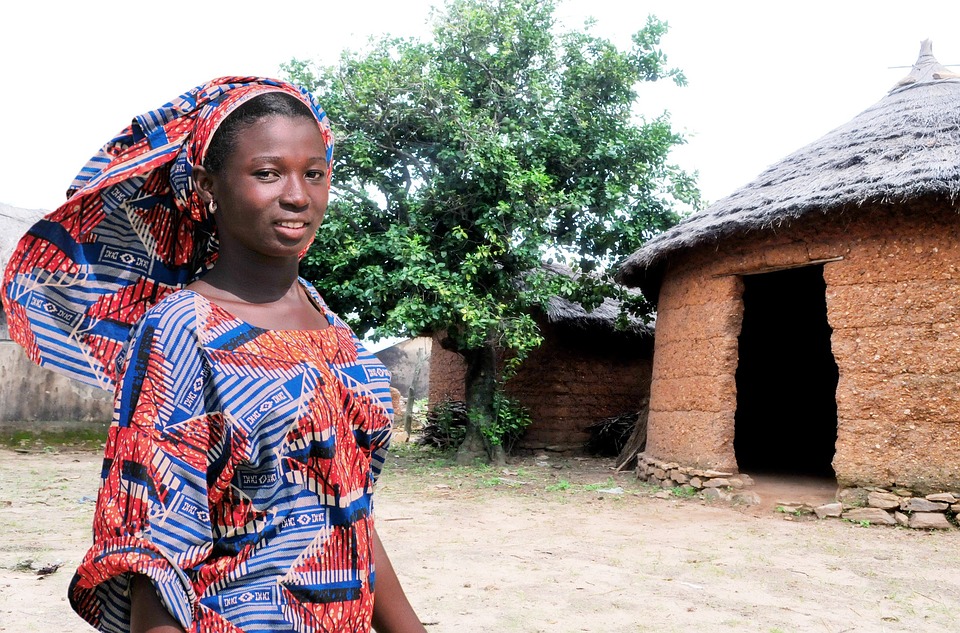
When you think about travelling to West Africa, countries like Ghana or Senegal may immediately come to mind. But sitting quietly on the Gulf of Guinea is Togo, a country rich with stunning landscapes, vibrant traditions, warm people, and a cultural diversity that leaves visitors mesmerised. Despite its small size, Togo packs an incredible variety of attractions into its borders: from lush green hills and pristine beaches to buzzing markets and fascinating cultural experiences.
Whether you’re an avid globetrotter or contemplating your first African adventure, Togo offers an authentic travel experience that’s hard to match. In this guide, we’ll explore the must-visit destinations in Togo, share practical insider tips, and provide everything you need for an unforgettable trip.
Why Visit Togo?
Togo may not yet be on every traveller’s radar, but that is precisely its charm. It’s a treasure trove waiting to be discovered. The country combines stunning natural beauty, from verdant rainforests and cascading waterfalls to serene beaches, with unique traditions that blend animist beliefs, Christianity, and Islam. Beyond its geographical beauty, Togo offers a truly immersive cultural experience, from traditional music and dance rituals to bustling markets brimming with handmade crafts and local delicacies.
Situated in a central location in West Africa, Togo is also easily accessible for travellers exploring the region. Whether you’re seeking adventure in remote villages, relaxation by the sea, or cultural inspiration in busy cities, Togo has something for everyone.
Must-Visit Destinations in Togo
Before embarking on your journey, it’s helpful to know the top destinations and what makes them unique. Here’s our roundup of the most captivating spots.
1. Lomé – Togo’s Lively Capital City
Why visit: Vibrant markets, history, and coastal beauty.
Togo’s capital, Lomé, is your gateway to the country. A laid-back yet bustling city that merges the old with the new, Lomé offers a unique taste of Africa’s rich culture and modern ambitions. Stroll along the palm-lined beaches, visit the Grand Marché for colourful textiles and handmade crafts, or explore the Togo National Museum, which provides an insightful history of the region.
One of the most fascinating spots in Lomé is the Akodessewa Fetish Market, the world’s largest market for voodoo paraphernalia. Here, you’ll find everything from animal skulls and traditional healing herbs to talismans believed to ward off misfortune or ensure prosperity.
Top Insider Tip: Rather than purchasing from street vendors, shop responsibly to support Togo’s local artisans. Bargaining is common but always remain respectful.
2. Togoville – A Glimpse into Togo’s Spiritual Heart
Why visit: Cultural heritage and voodoo traditions.
Sitting on the northern shores of Lake Togo, this small yet culturally significant town is famous for its rich voodoo traditions and colonial history. Togoville played a key role in the signing of the 1884 protectorate treaty with Germany.
You can take a canoe ride across the lake to reach this serene town, where you’ll discover voodoo shrines, ancient German colonial architecture, and welcoming locals eager to share their storytelling traditions. Don’t miss their weekly ceremonies, where traditional drumming and dancing bring the spirit of the country to life.
Top Insider Tip: Hiring a local guide is highly recommended so you get a deeper understanding of Togoville’s traditions without unintentionally offending cultural norms.
3. Kpalimé – Gateway to Adventure
Why visit: Lush landscapes, waterfalls, and hiking trails.
Nestled in the Plateau Region, just a few hours from Lomé, is the town of Kpalimé. Surrounded by hills and verdant forests, it’s the ideal destination for nature lovers. The area is home to cocoa plantations, surrounded by cascading waterfalls such as Cascade de Womé and Cascade de Kpimé.
For active adventurers, Kpalimé offers some of the best hiking opportunities in the country. Climb Mount Agou, Togo’s highest peak, for breathtaking views over the lush forest and toward Ghana in the west.
Top Insider Tip: Pack sturdy shoes and mosquito repellent for your treks, and visit one of Kpalimé’s art cooperatives, where local craftsmen create intricate wood carvings and batik fabrics.
4. Tamberma Valley – Land of the Tata Houses
Why visit: UNESCO World Heritage Site and authentic rural culture.
The Tamberma Valley, located in northern Togo, is both a scenic wonder and a cultural highlight. Here, you’ll find the iconic tata houses—fortified mud dwellings crafted by the Batammariba people. These unique structures blend form and function, symbolising the region’s creativity, resilience, and harmonious coexistence with nature.
The area is UNESCO-listed for its cultural significance, and visitors can learn about the Batammariba way of life on guided tours led by community members.
Top Insider Tip: Respect local customs and avoid taking pictures of people or homes without permission.
5. Fazao-Malfakassa National Park
Why visit: Wildlife safari experiences and serene nature.
Covering over 1,900 square kilometres, Fazao-Malfakassa National Park is Togo’s largest protected area, offering an array of wildlife and tranquil surroundings. Spot buffalo, antelope, monkeys, and exotic bird species during a guided safari, or immerse yourself in the flora-filled landscapes on a leisurely hike.
Although infrastructure is still developing for large-scale tourism, this park remains an oasis for eco-tourists seeking to connect with unspoiled nature.
Top Insider Tip: Bring binoculars to make the most of birdwatching opportunities, especially during early morning safaris.
6. Grand Popo – Relaxing Beach Escapes
Why visit: Serene beaches and eco-tourism.
For those in need of ocean therapy, Grand Popo is a blissful coastal retreat. Less crowded and more peaceful than other popular West African beaches, this area is perfect for soaking up the sun and watching fishing boats disappear into the horizon.
Eco-tourists will enjoy trips to the Mono River Lagoon, which offers boat rides through mangroves. Unwind with fresh seafood platters while watching breathtaking sunsets over the Atlantic Ocean.
Top Insider Tip: Avoid swimming in certain areas where the waves and currents can be dangerous. Stick to designated safe zones.
Insider Tips for Travelling to Togo
While exploring Togo is an enriching experience, preparation is key to ensuring your trip goes smoothly. Here are our top insider tips:
-
Visa Requirements: Check your visa requirements ahead of time. Many visitors can obtain a visa upon arrival at Lomé–Tokoin Airport, but confirm this before travel.
-
Currency & Budgeting: Togo uses the West African CFA franc (XOF). Cash is king in most places, so carry small denominations for markets and rural towns, but ensure you safeguard it.
-
Health Precautions: A yellow fever vaccination is mandatory to enter Togo. Additionally, pack anti-malaria tablets, hand sanitiser, and sunscreen.
-
Transport: Shared taxis and motorbikes (known as zemidjans) are the primary forms of transport. Agree on a price before embarking to avoid overpaying.
-
Languages: While French is the official language, learning a few basic phrases can go a long way in connecting with locals. Many also speak Ewe and Kabiyé, among other indigenous languages.
-
Staying Connected: Internet can be slow in rural areas, so buy a local SIM card (Moov or Togocel) for better connectivity while travelling.
-
Respecting Cultures: Dress modestly and always ask for permission before photographing people or places of cultural significance. Respect for customs goes a long way.
FAQ: Togo Travel Guide
Q: What is the best time to visit Togo?
A: The best time to visit Togo is during the dry season, from November to April, when the weather is pleasant and outdoor activities are more enjoyable.
Q: Is Togo safe for tourists?
A: Togo is generally safe for travellers, especially in well-travelled areas. However, as with any destination, staying vigilant and practising basic safety measures is essential.
Q: What are the main modes of transportation in Togo?
A: In cities like Lomé, zemidjans (motorbikes) are a common form of transport. Taxis and buses connect major towns, although rural transport may require patience.
For more detailed insights and tailored trip recommendations, explore travel services on Nihosi Travels & Tours. Let’s help you curate the Togo experience of your dreams!












Subscribe To Our Newsletter
Join our mailing list to receive the latest news and updates from our team.
You have Successfully Subscribed!