
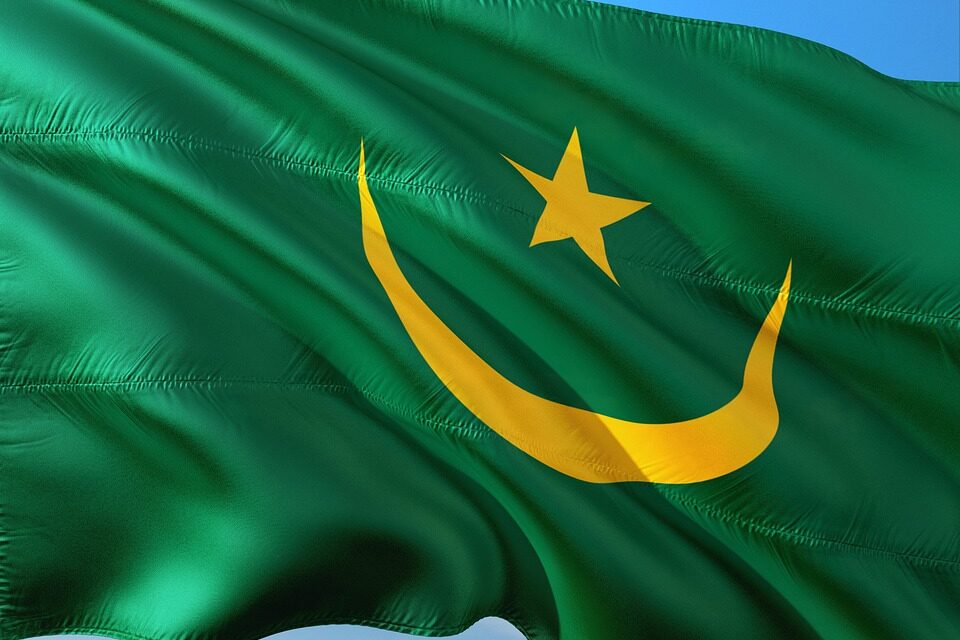
Hidden amidst the sprawling sand dunes of the Sahara and kissed by the glistening waters of the Atlantic lies one of Africa’s most underrated travel gems—Mauritania. With its unparalleled natural beauty, rich history, and warm hospitality, Mauritania offers a unique fusion of culture and adventure that beckons travellers searching for something extraordinary.
But for adventurers unfamiliar with this unpolished gem, travelling in Mauritania can feel as if you’re deciphering a maze. What should you know before you go? How should you prepare? And what should you absolutely not miss while there?
In this comprehensive guide, we’ll unveil everything you need to make your Mauritania journey unforgettable—from must-know travel tips to unmissable highlights. Whether you’re entranced by the vastness of the Sahara, a history buff intrigued by ancient trading hubs, or a cultural enthusiast yearning to experience nomadic life, Mauritania has something exceptional in store for you.
Table of Contents:
- Why Choose Mauritania?
- Essential Travel Tips for Visiting Mauritania
- Highlights of Mauritania – What You Can’t Miss
- Nouakchott: The Growing Capital
- Chinguetti: A Living Desert Treasure
- Banc d’Arguin National Park: A Birdwatcher’s Paradise
- The Richat Structure: The “Eye of the Sahara”
- Adrar Plateau: Desert Adventures & Hidden Oases
- Nouadhibou: The Shipwreck Capital
- Cultural Etiquette and Traditions to Respect
- Local Cuisine Delights: Food to Try in Mauritania
- Getting Around: Transport Options
- FAQs About Travelling in Mauritania
Why Choose Mauritania?
Have you ever dreamt of interacting with untouched landscapes that seem to echo with ancient whispers of history? Picture this: the sun setting over golden Saharan dunes as a caravan of camels passes by, or the call of seabirds as they skim the pristine waters of a coastal paradise.
Mauritania offers off-the-beaten-path experiences that rival those found in more prominently marketed destinations. Unlike overly touristy hubs, this West African country feels raw and authentic. From the fascinating Berber and Moorish cultures to historical trading posts that date back centuries, travelling through Mauritania feels like stepping into an unspoiled chapter of African history.
Essential Travel Tips for Visiting Mauritania
When travelling to a less explored destination, being prepared is critical to ensure a smooth and memorable adventure. Here are some essential travel tips every visitor to Mauritania should keep in mind:
1. Visa and Entry Requirements
Before heading to Mauritania, check if you need a visa. Most international travellers require one, and it’s best secured before arrival. However, some nations have access to visa-on-arrival at Nouakchott airport. Ensure your passport is valid for at least six months.
2. Currency: The Mauritanian Ouguiya
The local currency is the Mauritanian Ouguiya (MRO). While cash is king here, particularly in remote regions, ATMs are available in Nouakchott and Nouadhibou for international cards. Always carry smaller denominations for hassle-free transactions in local markets.
3. Safety Precautions
Mauritania is generally a safe country, but like any off-the-beaten-path destination, some caution is warranted. Avoid travelling after dark, stay updated on local security advisories, and consider travelling with a reputable local guide for added safety.
4. When to Visit
Mauritania’s climate varies drastically, and picking the right time is key to a comfortable trip. November to February is the best period for visiting, as it’s cooler, making desert exploration bearable. However, avoid peak summer (May to September), with sweltering temperatures exceeding 40°C.
5. Respecting Local Customs
As an Islamic republic, Mauritania has conservative norms. Women should dress modestly, and while tourists are warmly welcomed, it’s important to respect Islamic customs and refrain from public displays of affection or drinking alcohol in public spaces.
6. Travel Insurance Is a Must
Given the rugged landscapes and the country’s remote nature, travel insurance is indispensable for emergencies. Ensure the policy covers medical evacuations and tours to remote areas.
Highlights of Mauritania – What You Can’t Miss
Mauritania’s treasures lie in its sprawling deserts, enchanting towns, and ecological marvels. Below are some top highlights of Mauritania to include on your itinerary:
1. Nouakchott – The Capital City’s Mosaic Charm
While many capitals are bustling with modernity, Nouakchott retains its unique cultural charm amidst its slow-paced growth. Witness the raw energy of Port de Peche, where colourful fishing boats meet the Atlantic Ocean, or shop traditional art at a local craft bazaar. The city introduces travellers to Mauritania’s urban yet authentic rhythm.
2. Chinguetti – The Ancient City of Libraries
As you step into Chinguetti, it feels like a time capsule transporting you back centuries. Once an important Saharan trade post, Chinguetti is celebrated today for its rich Islamic history. Don’t miss the ancient libraries, home to centuries-old manuscripts, or climb the dunes surrounding the town for panoramic desert vistas.
3. Banc d’Arguin National Park
Are you a bird enthusiast? Banc d’Arguin National Park is one of the world’s most important migratory bird sanctuaries, hosting everything from flamingos to sandpipers. This UNESCO World Heritage Site also immerses visitors in the serene life of the Imraguen fishermen who operate alongside the tidal rhythms of nature.
4. The Richat Structure – Eye of the Sahara
At first glance, this massive 50km-wide circular structure in the desert looks like something out of a sci-fi movie. Called the Eye of the Sahara, it’s one of Earth’s most mysterious geological formations. Though its origins are debated, a tour here feels nothing short of visiting another planet.
5. Adrar Plateau and Oasis Towns
Adventure lovers must explore the Adrar Plateau, a wonderland of majestic dune fields, canyons, and ancient caravan roads. Nearby, the oasis towns of Terjit and Atar offer a refreshing change from the desert’s arid expanse, with shaded palm groves and natural springs to cool off after a day’s journey.
6. Nouadhibou – The Shipwreck Graveyard
Nouadhibou’s coastline is adorned with the eerie remnants of rusting ships, making it one of the world’s largest shipwreck graveyards. While this industrial port city offers a glimpse into modern Mauritania, it’s the deserted ships along the coast that make it truly iconic.
Cultural Etiquette and Traditions to Respect
When visiting Mauritania, understanding local customs is crucial for blending in and forging meaningful connections. Here’s quick advice to make your visit smooth:
- Greetings Matter: Mauritanians value long greetings. Taking a few moments to exchange pleasantries shows respect.
- Gender Interactions: Although hospitality is extended equally to everyone, gender norms are deeply ingrained. Men often focus conversations on men, and women on women.
- Photography: Always ask permission before capturing photos of locals, particularly women, as privacy is greatly valued.
Local Cuisine Delights: Food to Try
Mauritanian cuisine is a delicious reflection of local culture, geography, and nomadic traditions. Sample these dishes:
- Thieboudienne: A mouth-watering dish of fish, rice, and vegetables, often called the national dish.
- Mechoui: Slow-roasted lamb, perfect for celebrating local Saharan flavours.
- Mint Tea: A staple of Mauritanian hospitality, don’t skip the ever-present three servings of sweet mint tea.
Getting Around: Transport Options
Navigating Mauritania relies heavily on local taxis, shared mini-buses, and overland 4×4 tours for desert explorations. The adventurous can take the famous iron ore train, a surreal experience that transports both goods and daring travellers through distant Saharan terrain.
FAQs About Travelling in Mauritania
Q: Is Mauritania safe for solo travellers?
A: Yes, though travelling in groups or with a guide is recommended, especially in remote or desert areas, for safety and ease of navigation.
Q: Can I access Wi-Fi and mobile networks in Mauritania?
A: Wi-Fi is available in major cities, though not always reliable. Local SIM cards, like Mauritel, offer better connectivity.
Q: What language do they speak?
A: Arabic is the official language, with French widely spoken in business and education circles.
Mauritania is a land of raw beauty and cultural intrigue awaiting exploration. With thoughtful planning and an open mind, your trip here will transform into a story worth telling for decades.
Ready to embark on this unforgettable journey? Start planning with Nihosi Travels & Tours—the experts in extraordinary adventures!








Subscribe To Our Newsletter
Join our mailing list to receive the latest news and updates from our team.
You have Successfully Subscribed!